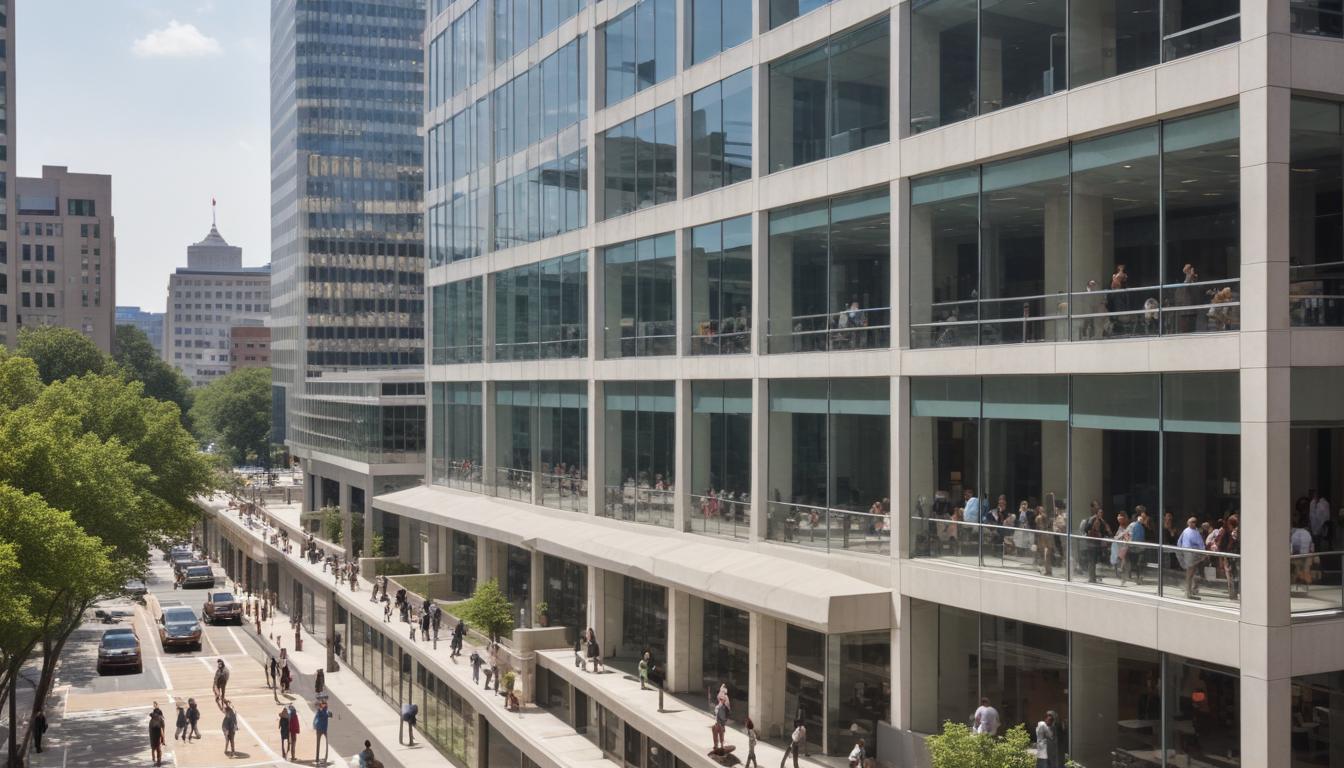
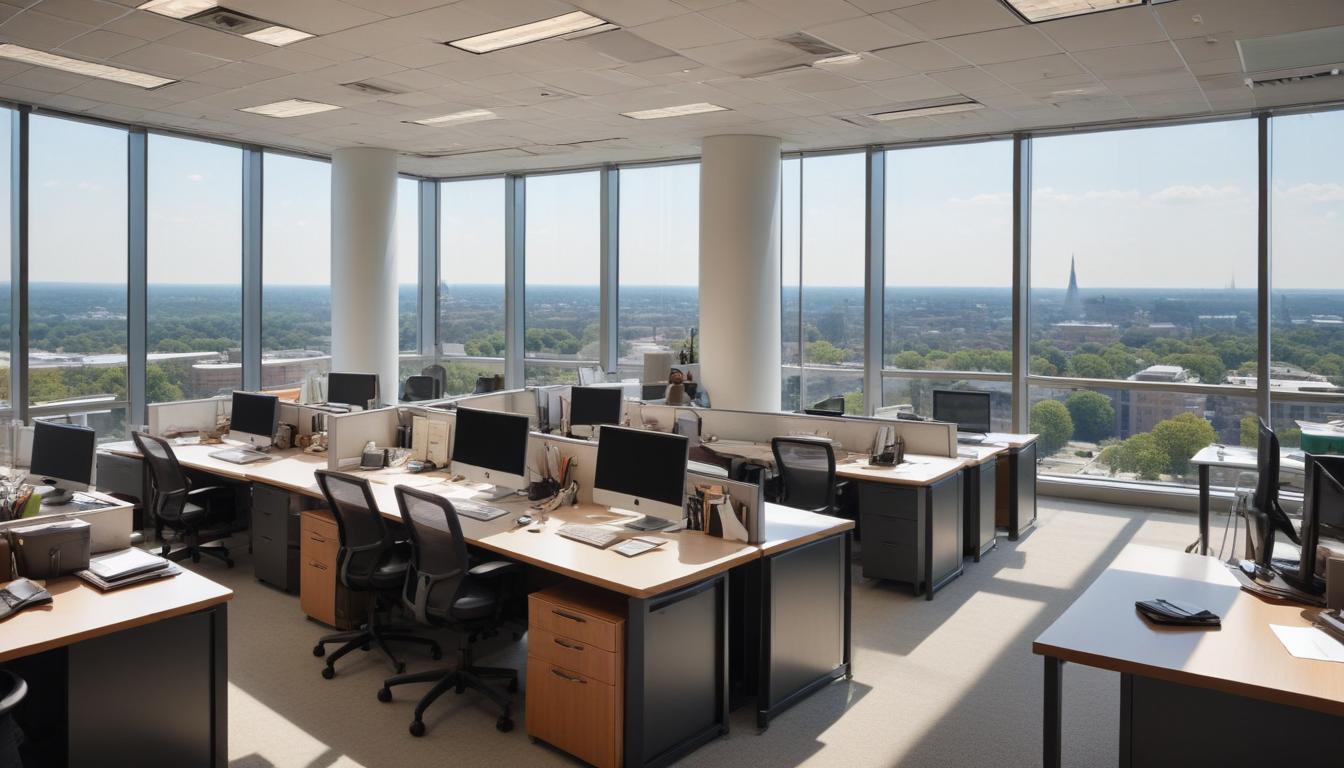
The summer of 2026 is proving to be a pivotal moment for Washington DC's business community. With commercial office space in the Downtown corridor hovering around $65 per square foot annually—up nearly 8 percent from last year—and the cost of doing business climbing across nearly every sector, companies are reassessing their growth strategies and cash reserves with newfound urgency.
The broader economic picture is decidedly mixed. While inflation has cooled from its peaks, persistent geopolitical tensions and energy market volatility are creating headwinds for DC's business ecosystem. Companies operating in the lobbying, consulting, and defense contracting sectors—which form the economic backbone of the capital—are reporting slower decision-making cycles from clients as budget uncertainty persists through the federal calendar.
"We're seeing clients delay major contract awards by 30 to 90 days," explains a business analyst tracking the District's economy. This slowdown has direct consequences for service providers and startups that rely on government contracts, many clustered around the K Street corridor and in Ballston, Virginia's expanding tech hub.
Meanwhile, small business operators in neighborhoods like Capitol Hill and the H Street corridor are grappling with rising operational costs. Restaurant owners report food costs up 5 to 7 percent year-over-year, while commercial insurance premiums have increased sharply. Retail leases renewing this quarter in Georgetown and the Wharf development are seeing asking prices that reflect landlords' confidence in the district's long-term appeal, even as tenant negotiations grow more contentious.
For businesses navigating this environment, financial advisors recommend three priorities. First, secure fixed-rate financing now rather than waiting for potentially more favorable conditions that may not materialize. Second, audit supply chain dependencies—particularly critical for companies importing goods affected by tariff discussions. Third, build cash reserves equivalent to four to six months of operating expenses, up from the traditional three months.
Local venture capital and private equity firms remain active, though deal sizes have contracted slightly. Mid-market transactions in the $10 million to $50 million range continue, particularly in technology and health care services, suggesting that despite economic headwinds, patient capital still sees opportunity in the District's skilled workforce and proximity to federal decision-makers.
Business leaders should expect continued volatility through the remainder of 2026. Those who act decisively on financing and strategic positioning now will likely navigate the coming months more successfully than those waiting for clearer market signals.
This article was compiled by AI from the sources linked above and screened before publishing. See our editorial standards.