DC's Office Exodus Is Reshaping Where Workers Live—and Companies Recruit
As commercial real estate shrinks in the core, talent is scattering to the suburbs, forcing employers to rethink their hiring strategies and geographic footprint.
As commercial real estate shrinks in the core, talent is scattering to the suburbs, forcing employers to rethink their hiring strategies and geographic footprint.
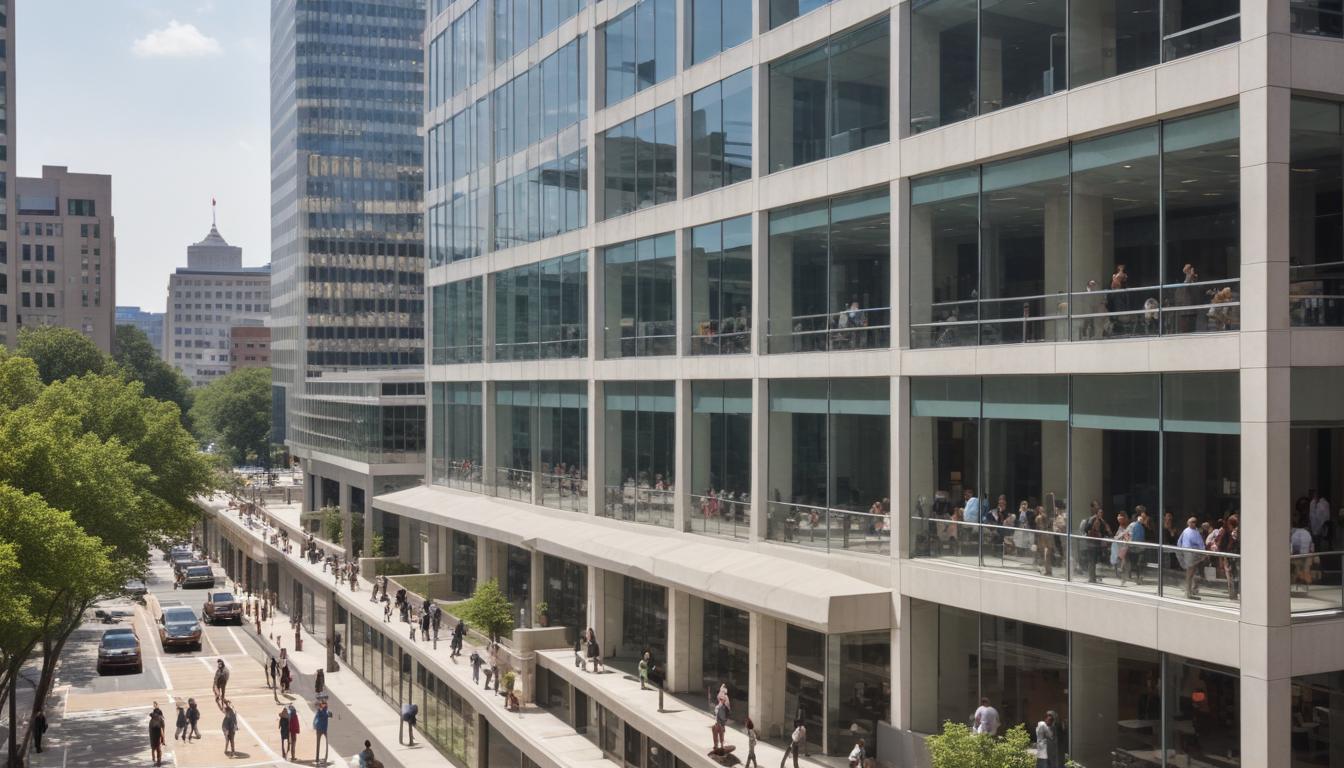
The transformation of Washington DC's commercial real estate landscape is upending decades of talent recruitment patterns, as major employers reassess their downtown footprints and workers vote with their feet—moving to Arlington, Falls Church, and points beyond.
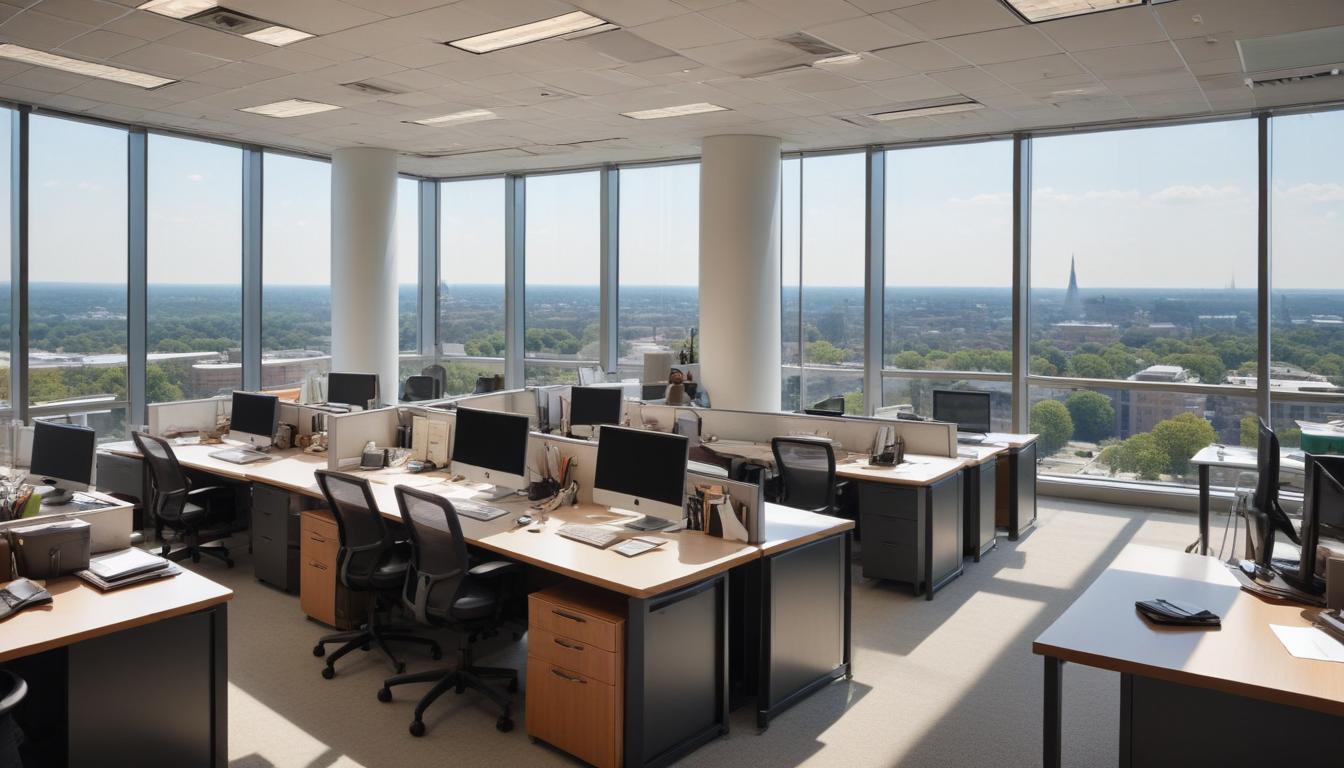
Office vacancy rates in the Central Business District have climbed to 17.2% this year, according to local commercial brokers, while average asking rents have dipped 8% compared to 2023 levels. Class A office space along K Street and in the Penn Quarter, once the gold standard for prestige addresses, now sits partially vacant as companies downsize or relocate entirely.
The shift is forcing a reckoning across the talent acquisition landscape. Technology firms that once clustered around the NoMa district are now establishing secondary hubs in Crystal City and Ballston, where younger workers increasingly prefer to live. Real estate data shows demand for mixed-use developments—combining apartments, restaurants, and offices—is outpacing traditional office-only complexes.
"Companies are following people, not the reverse," explains the commercial real estate landscape. The pattern mirrors national trends but carries particular weight in DC, where federal contractors and associations have long anchored the economy to central locations.
This geographic dispersion has tangible consequences for recruitment. Consulting firms competing for Georgetown and GWU graduate talent now offer flexible arrangements and transit stipends. Meanwhile, suburban office parks—particularly along the Route 7 corridor and near Metro stations in Silver Spring—are attracting back-office operations and growing startup clusters.
The federal government's remote-work policies, formalized more strictly under recent administrations, have amplified this centrifugal force. With some agencies requiring only two or three days in-office, workers have abandoned expensive Downtown apartments for Bethesda townhouses and Arlington condos.
Commercial property owners are adapting. Several landlords on L Street are converting office space into residential units and boutique hotels. Meanwhile, adaptive reuse projects—transforming older office buildings in Capitol Hill and the Southeast waterfront into mixed-use facilities—are attracting younger companies seeking flexible lease terms and community-oriented environments.
For job seekers and employers alike, the implications are significant. Geographic diversity is becoming a hiring prerequisite rather than a nice-to-have. Companies building teams must now evaluate commute times from Fairfax County and Anne Arundel County, not just from Dupont Circle.
As this trend accelerates through 2026, DC's business landscape continues its slow migration outward, reshaping not just where people work, but fundamentally how the region's talent market functions.
This article was compiled by AI from the sources linked above and screened before publishing. See our editorial standards.
How does this story make you feel?
Spread the word
About this article
Published by The Daily Washington DC
Daily brief
Free, in your inbox before 7am. Weekdays.
More in Business