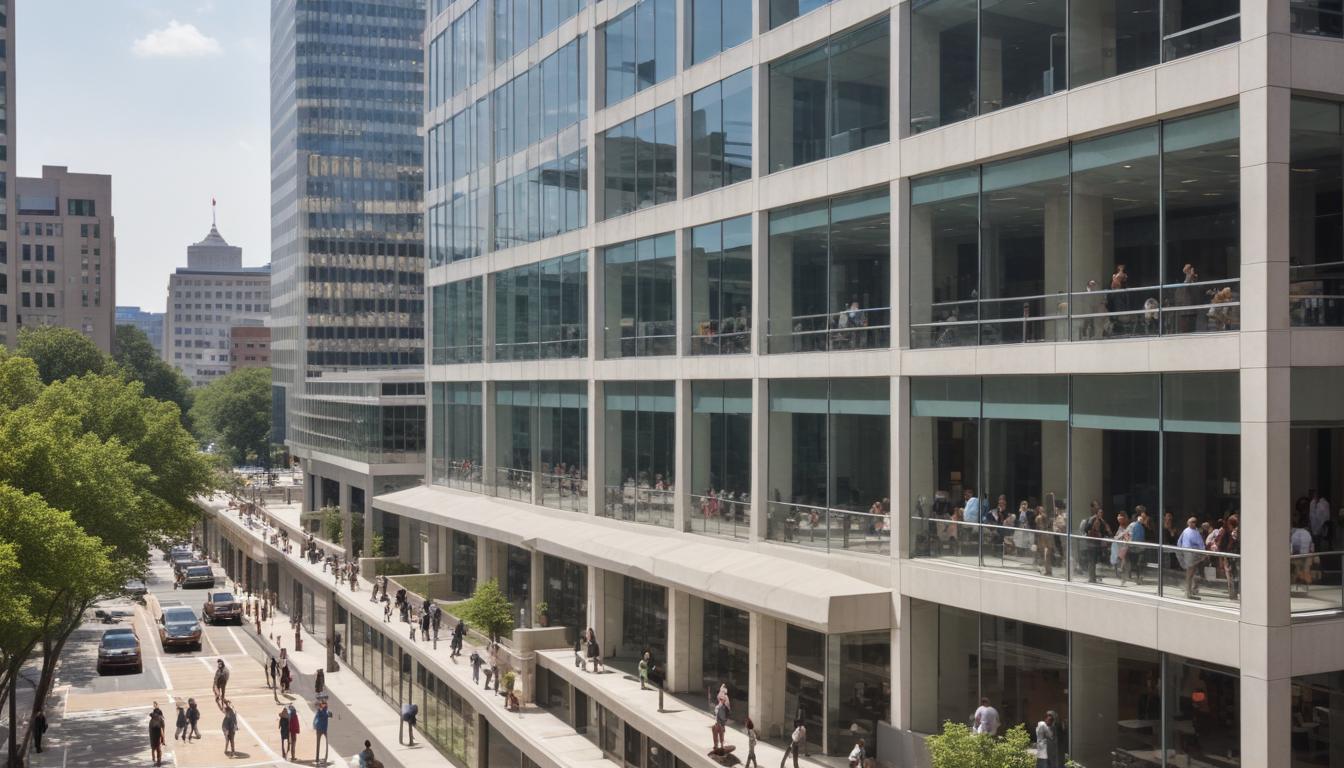
Small business owners across Washington DC are navigating a complex economic environment as mid-year reports reveal shifting consumer spending patterns and tightening margins across multiple sectors. For entrepreneurs operating along H Street NE's revitalized corridor or managing boutique operations in Georgetown and Dupont Circle, the message is clear: adaptation is essential.
Commercial rent in premium neighborhoods has stabilized after climbing steadily through 2025, with average asking prices for ground-floor retail hovering around $45 to $65 per square foot annually in high-traffic zones. However, operational costs—particularly labor and utilities—continue to pressure profit margins. The DC Chamber of Commerce reports that 58% of surveyed small business owners have raised prices between 3% and 7% this year, up from 41% in the same period last year.
Consumer behavior data reveals a marked shift toward mixed-use experiences. Food-and-beverage ventures pairing retail or services with dining—such as the emerging café-coworking hybrid model gaining traction in neighborhoods like Navy Yard-Ballpark—are outperforming traditional single-function establishments. Meanwhile, businesses in the leisure and hospitality sectors report that customers are increasingly price-conscious, with discretionary spending concentrated on weekends rather than spread throughout the week.
Digital integration has moved from optional to critical. Small retailers not offering contactless payment and online ordering options are losing market share to competitors who have. Local business accelerators, including the DC Office of the Deputy Mayor for Planning and Economic Development's resources, emphasize that e-commerce capabilities have become table stakes rather than differentiators.
Staffing challenges persist. Minimum wage in the District remains at $17.27 per hour, among the highest in the nation, and competition for entry-level workers remains fierce. Businesses are responding by refining scheduling efficiency, increasing automation in operations-heavy roles, and offering non-monetary benefits such as flexible scheduling or professional development opportunities.
For entrepreneurs considering launching or expanding operations in DC, the current environment rewards specificity. Successful newcomers are identifying underserved niches—whether that's specialized professional services in the downtown office corridor or targeted retail experiences in emerging neighborhoods—rather than attempting to compete on price in saturated markets.
The second half of 2026 will likely test whether these operational adjustments prove sustainable, but early indicators suggest DC's entrepreneurial community is adapting more nimbly than in previous economic transitions.
This article was compiled by AI from the sources linked above and screened before publishing. See our editorial standards.