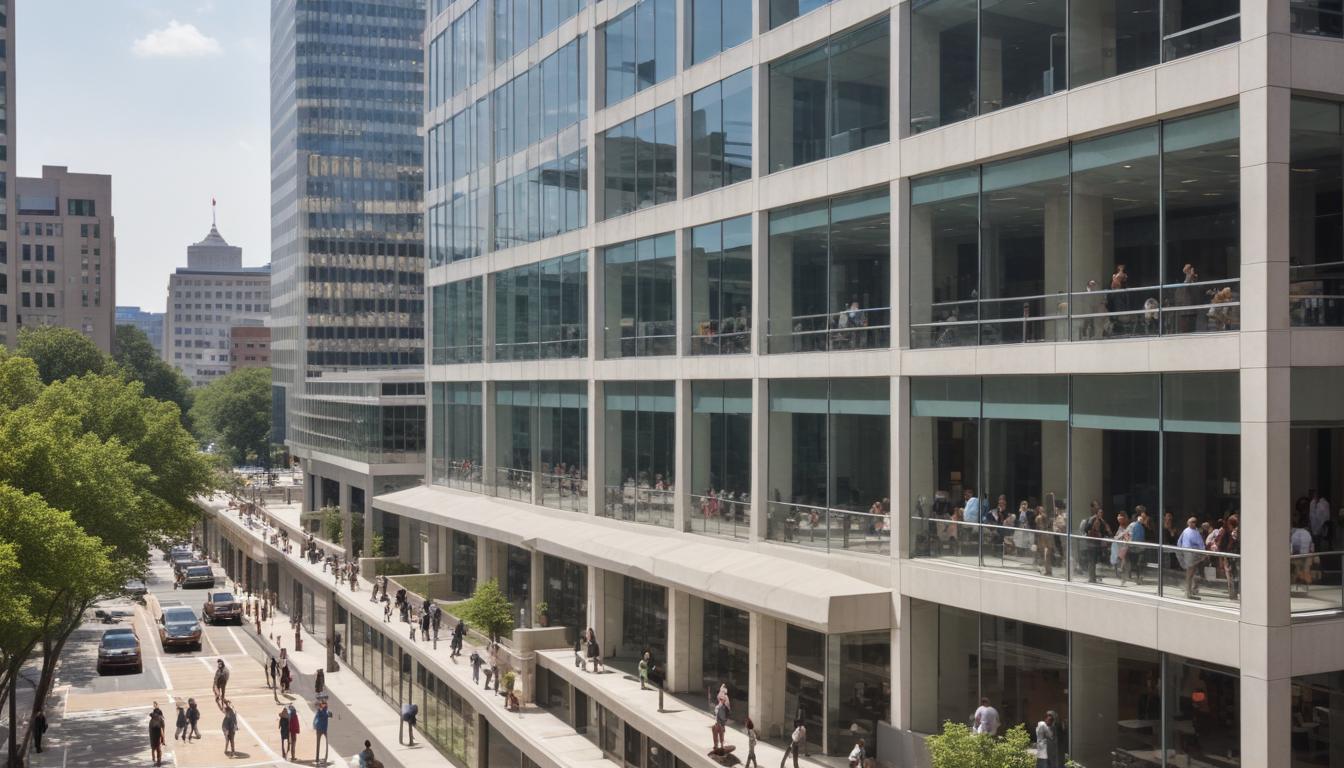
The downtown Washington office market is contracting faster than many expected, and the consequences for local employers are now unmistakable: the region's most competitive firms are scrambling to retain talent as traditional corporate real estate advantages disappear.
Class A office space in the K Street corridor and downtown core has seen vacancy rates climb to 18 percent this year, compared with 12 percent in 2022, according to commercial real estate analysts tracking the District's market. Meanwhile, leasing activity has shifted decisively outward. Northern Virginia suburbans—particularly around Crystal City and the Route 29 corridor near Bethesda—are capturing a growing share of the region's professional workforce, fundamentally altering where Washington's talent pool congregates.
For decades, prestige office addresses in downtown DC served as magnets for top talent. A corner office on K Street signaled arrival. Today, that calculus has inverted. Companies are downsizing footprints, embracing hybrid work, and relocating to lower-cost suburban campuses. The shift is forcing Washington's most competitive employers—law firms, consulting practices, technology companies, and federal contractors—to compete on entirely new terms.
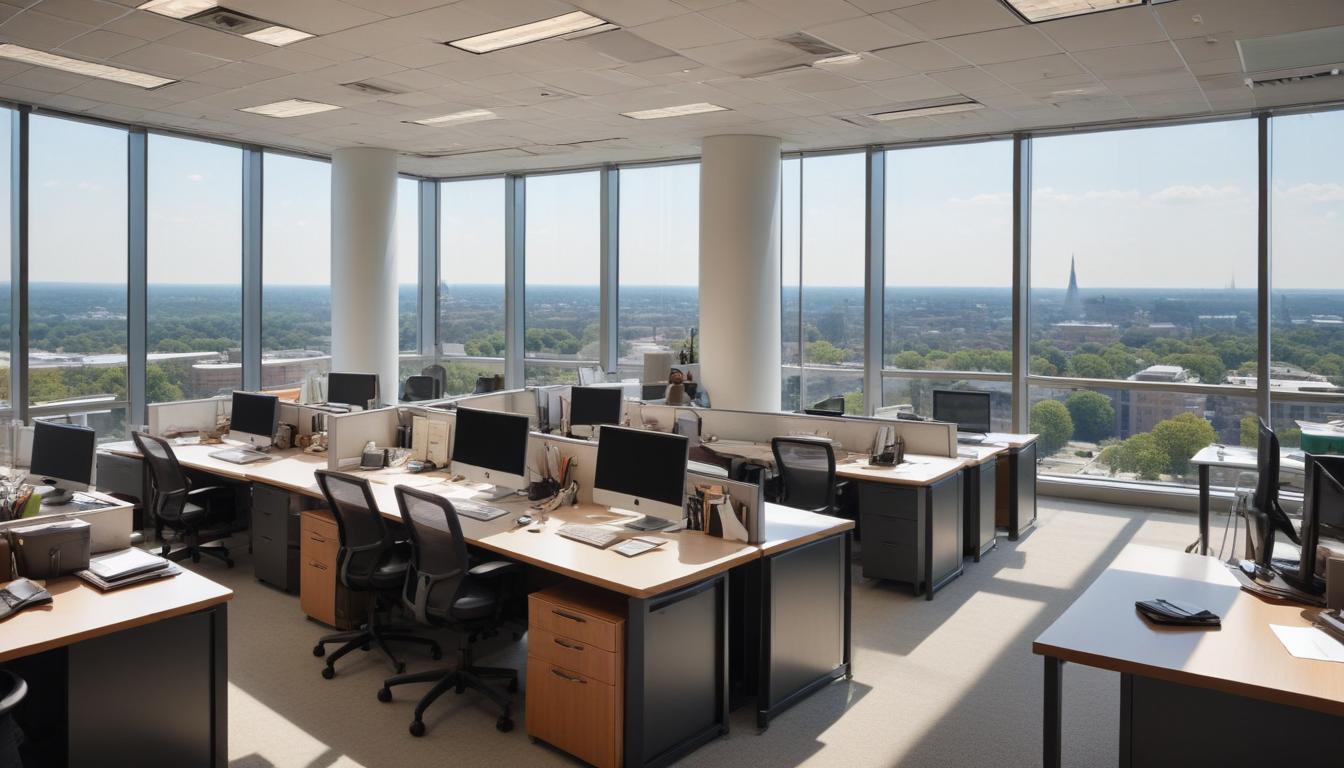
"Talent follows flexibility now, not floor space," said one partner at a major Downtown DC law firm, requesting anonymity. The firm recently consolidated three offices into two, with a new hub in Rosslyn offering open-plan workspace designed for collaborative, project-based work rather than assigned desks.
The talent implications are stark. Young professionals, once drawn to walkable neighborhoods like Capitol Hill and Logan Circle, are dispersing. Some are following employers to emerging submarkets—Arlington's Long Bridge area, Maryland's Bethesda-Chevy Chase corridor, and increasingly, remote arrangements entirely. Entry-level workers, critical to professional services pipelines, are weighing quality of life, commute times, and hybrid flexibility against the prestige of a downtown address.
This reshuffling is already reshaping neighborhood economics. Residential demand has softened in traditionally hot downtown-adjacent areas, while demand is rising in places like Ballston and Bethesda. Commercial brokers report that companies seeking to attract junior talent are now emphasizing transit access, nearby amenities, and genuinely flexible scheduling rather than architectural prestige.
Some downtown property owners are adapting—converting office space into residential, experimenting with mixed-use developments near Metro stations. But the transition is painful, and uneven. Washington's talent market is undeniably being reshaped by geography and real estate economics that would have seemed unthinkable five years ago.
This article was compiled by AI from the sources linked above and screened before publishing. See our editorial standards.