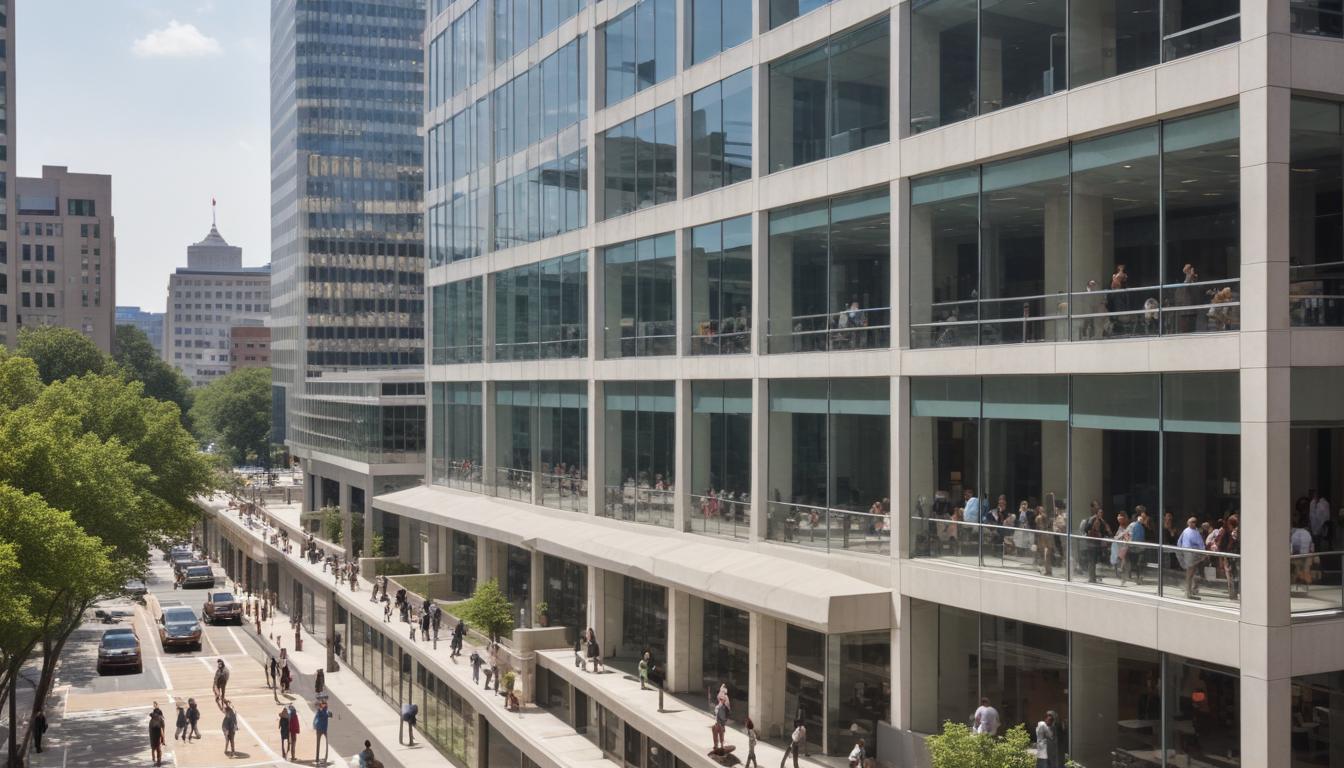
Washington DC's startup ecosystem has long played second fiddle to the coasts, but a convergence of federal investment, real estate opportunity, and talent concentration is fundamentally reshaping the city's innovation landscape—and early beneficiaries are already seeing outsized returns.
The epicenter is unmistakable: the Navy Yard-Ballpark corridor and the burgeoning NoMa district have become magnets for biotech and life sciences ventures, sectors now accounting for nearly 18% of DC's startup formation activity compared to just 6% five years ago. Federal agencies, particularly NIH grantees and DARPA-funded researchers, are increasingly spinning out commercial ventures rather than relocating to the Carolinas or California.
Real estate players caught the wave early. Commercial landlords along M Street and in the emerging East End tech zones have watched per-square-foot rents climb from $28 in 2021 to $42 today for lab-capable space. Developers like Fortis Property Group, which operates several properties near the newly revitalized Union Market district, have repositioned inventory specifically for life sciences tenants, commanding premium rates while maintaining 94% occupancy—nearly 8 percentage points above citywide averages.
But the real opportunity is playing out at the founder level. Startups launched in DC with federal or academic backing are raising capital at significantly faster velocity than their peers. The median Series A for a DC-based biotech firm hit $8.2 million in 2025, up from $4.1 million in 2022. Firms like Precision Medicine Group, which set up operations near the Metro station at L'Enfant Plaza, have attracted talent from Johns Hopkins and Georgetown's medical campuses—saving recruitment costs that Silicon Valley competitors face.
Accelerators have responded accordingly. The Launch DC initiative, now backed by more than $47 million in public and private commitments, has shifted its portfolio heavily toward life sciences and hard tech. Supporting organizations like the DC Technology Council report that 31% of their member companies now focus on biotech or medical devices, up from 12% in 2023.
The talent pipeline is deepening too. Georgetown and GWU have expanded biotech graduate programs, and the DC region now hosts over 8,400 life sciences workers—a 27% increase since 2020. Young founders with PhD credentials are increasingly choosing to stay in or return to Washington, creating a virtuous cycle of institutional knowledge and network effects.
Still, challenges persist. Lab space remains constrained relative to demand, and the talent pool, while growing, remains smaller than Boston or San Francisco. But for those positioned early—landlords, founders, and support service providers—Washington's innovation moment is no longer emergent. It's accelerating.
This article was compiled by AI from the sources linked above and screened before publishing. See our editorial standards.