Washington DC Hotels & Restaurants Summer 2024 Boom
DC's hospitality surge hits 78% occupancy. Discover which Georgetown and K Street establishments are capitalizing on summer demand and tech-driven tourism.
DC's hospitality surge hits 78% occupancy. Discover which Georgetown and K Street establishments are capitalizing on summer demand and tech-driven tourism.
Listen to this article · 3:57
Washington DC's hospitality industry is experiencing a surprising resurgence this summer, driven by a convergence of factors that range from geopolitical intrigue to demographic shifts in the city's workforce. Industry data shows hotel occupancy rates in the District have climbed to 78 percent through June—up nearly eight percentage points from the same period last year—while restaurant reservation platforms report booking volumes 12 percent higher than 2025.
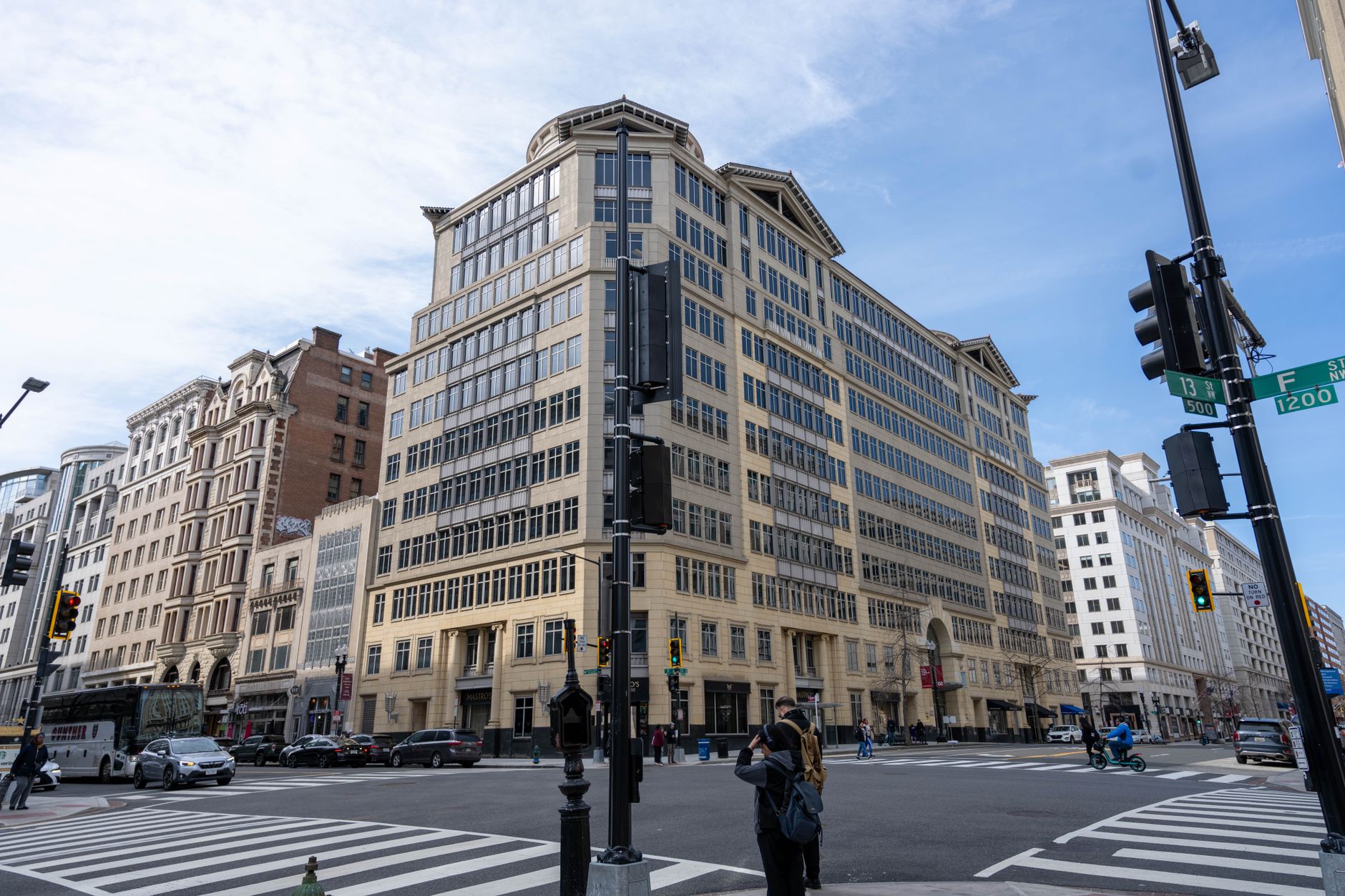
The winners emerging from this landscape tell a compelling story about where opportunity is concentrating. Establishments positioned along the K Street corridor and Georgetown's M Street are seeing particular strength, with boutique hotels reporting average nightly rates of $285, compared to the citywide average of $218. Meanwhile, mid-range hospitality operators are thriving more than luxury counterparts, suggesting business travelers and international visitors are prioritizing value and convenience over prestige.
The restaurant sector reveals starker winners and losers. Fast-casual concepts with strong lunch service—the segment DC's workforce depends on—are outperforming fine dining by a significant margin. Operators in Navy Yard-Ballpark and Capitol Hill report year-over-year revenue increases of 18 to 22 percent, while establishments in traditionally slower neighborhoods like Petworth have begun attracting investment capital previously reserved for core downtown properties.
Data from the DC Department of Housing and Community Development indicates that approximately 14,000 new residential units opened in the District over the past 18 months, particularly in Southeast and Northeast corridors. This influx of residents—many working in emerging sectors like policy analysis, cybersecurity, and climate tech—has created sustained demand for neighborhood-based dining and accommodation options rather than concentrating demand in downtown and tourist zones.
Several hospitality operators have capitalized by opening smaller-format concepts in secondary markets. The H Street NE corridor has attracted five new restaurant openings in the past eight months alone, with several proprietors citing lower rent and emerging demographic demand. Similarly, boutique hotel developers have identified opportunities in Brookland and Takoma Park, traditionally underserved for overnight accommodations.
Industry observers note that regulatory changes—particularly DC's streamlined permitting process for food service establishments, implemented in early 2026—have accelerated entry for emerging operators. The city processed food service permits in an average of 34 days in the second quarter, down from 67 days two years prior.
The trajectory suggests the opportunity window remains open for operators willing to look beyond traditional hospitality hotspots. Those positioned to capture neighborhood demand and business travel volume appear positioned to benefit substantially through the remainder of 2026.
This article was compiled by AI and screened before publishing. See our editorial standards.
How does this story make you feel?
Spread the word
About this article
Published by The Daily Washington DC
Daily brief
Free, in your inbox before 7am. Weekdays.
More in Business