Shaw DC Performing Arts Venues: Artist Collective Transforms 9th Street
How three artists transformed a Shaw warehouse into DC's experimental theatre hub. Discover the grassroots performing arts movement reshaping Washington neighborhoods.
How three artists transformed a Shaw warehouse into DC's experimental theatre hub. Discover the grassroots performing arts movement reshaping Washington neighborhoods.
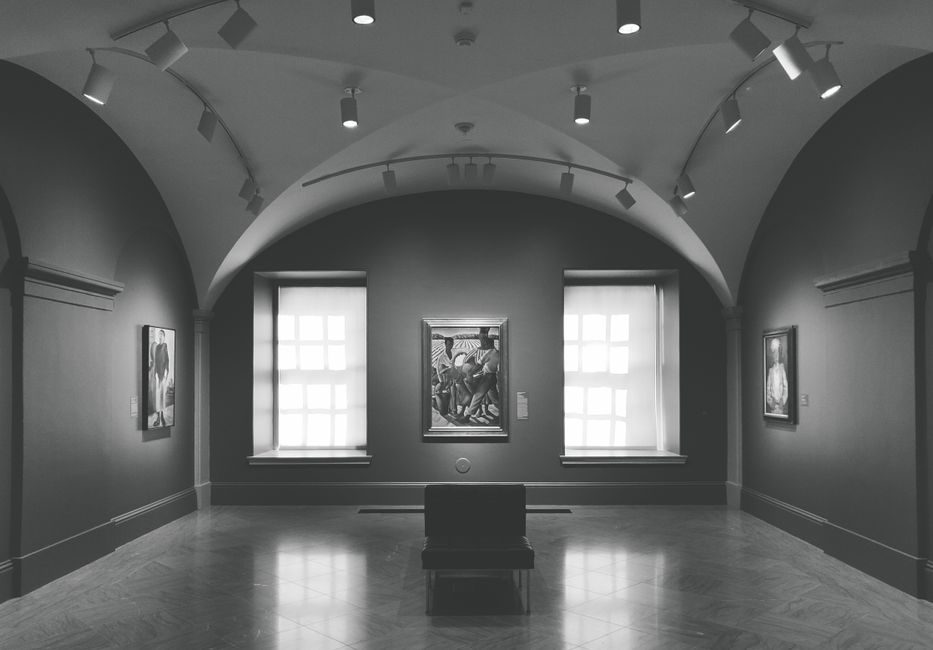
On a Tuesday evening in Shaw, the lights dimmed inside a former auto-repair shop on 9th Street NW, and what began as a three-person passion project five years ago now hosts 200 people for a experimental theatre piece about displacement and gentrification. This is the untold story of how a collective of working artists—many juggling day jobs and second mortgages—rebuilt a corner of the city from the ground up.
In 2021, when real estate prices in Shaw were climbing by double digits annually, three artists pooled resources to lease the 4,500-square-foot space. They spent eighteen months renovating it themselves: pulling copper wire from walls, installing theatrical lighting salvaged from a closed Kennedy Center warehouse, and building bleacher seating from reclaimed wood sourced from deconstructed rowhouses in nearby neighborhoods.
"We weren't trying to create something precious," explains one of the co-founders, a set designer who now spends her mornings teaching at a nonprofit in Anacostia while her evenings are consumed by the venue's operations. The collective initially had no business plan, no nonprofit status, and approximately $12,000 in combined savings. By 2024, they'd expanded to operate three interconnected performance spaces and host over 120 productions annually.
What makes their story distinct within DC's performing arts ecosystem—where organizations like Arena Stage and the Kennedy Center command institutional resources and attention—is how deliberately they've remained embedded in their neighborhood. Rather than chase foundation funding or corporate sponsorships, they've maintained a sliding-scale ticket model ranging from $5 to $25, making work accessible to the residents of the historically Black neighborhood that predates the arts boom around them.
The collective's success has sparked a ripple effect. A documentary filmmaker who began screening her work in their space now runs regular film workshops for high school students from Ballou High School in Anacostia. A playwright whose experimental piece debuted there has since had work commissioned by established theaters across the region.
What's happening on 9th Street mirrors a broader pattern in DC: the people who build cultural infrastructure are rarely the ones celebrated by it. They're teachers, bartenders, and gig workers who decided their neighborhood deserved better. As gentrification continues reshaping Shaw's demographics, their insistence on keeping doors—and prices—open represents something increasingly rare in a city where cultural real estate has become as contested as residential.
The question now is whether they can sustain this model as landlords circle and developers eye their block.
This article was compiled by AI and screened before publishing. See our editorial standards.
How does this story make you feel?
Spread the word
About this article
Published by The Daily Washington DC
Daily brief
Free, in your inbox before 7am. Weekdays.
More in culture