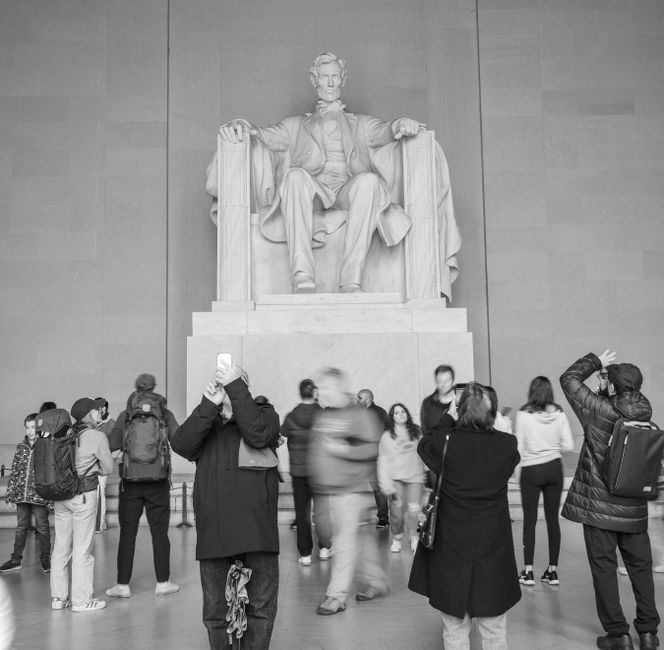
Most visitors to Washington arrive with a checklist: the Lincoln Memorial, the White House, the Smithsonians. But the capital's most compelling narrative unfolds not on the National Mall but in neighborhoods where immigration, civil rights, and creative resilience have shaped the city's actual identity over generations.
Start in the U Street Corridor, historically known as Black Broadway. This 1920s entertainment district—stretching from 9th to 14th Streets NW—once rivaled Harlem as a cultural epicenter, hosting legendary performers at venues like the Howard Theatre (reopened in 2012 after extensive restoration). Today, the neighborhood blends that heritage with contemporary galleries, independent bookstores, and restaurants that reflect the community's evolving character. The African American Civil War Memorial and Museum, located at 1925 Mount Pleasant Street NW, offers context visitors won't find elsewhere: the stories of 180,000 Black soldiers who served, with names inscribed on the outdoor wall sculpture.
Georgetown's waterfront along the Potomac tells a different historical chapter. Before abolition, enslaved people were bought and sold at wharves here; the neighborhood's 18th-century rowhouses represent both architectural heritage and the labor that built them. Walking M and N Streets reveals this tension—beautiful Federal-era architecture adjacent to interpretive markers acknowledging Georgetown's role in the slave trade.
The recently revitalized Bloomingdale neighborhood, north of Florida Avenue NE, deserves attention as an example of how DC communities navigate gentrification while preserving identity. Residents and cultural organizations have worked to ensure that new development doesn't erase history; the Historic Bloomingdale Civic Association documents the neighborhood's transformation from segregated housing to its current mixed-use revival.
Capitol Hill's Eastern Market (Southeast 7th Street between C and G Streets SE) functions as both a working farmers market—operating since 1873—and a gathering space reflecting the neighborhood's diverse immigrant populations. Weekend vendor conversations reveal the neighborhood's demographic shifts over decades.
For serious visitors, the Library of Congress's American Memory collections (loc.gov) offer digitized DC history before arrival. The District's four Smithsonian museums are free, but plan three to four hours per institution; expect summer crowds exceeding 3,000 visitors daily at popular locations.
Washington's identity isn't monolithic. It's shaped by successive waves of residents—from the enslaved laborers who built it to the 20th-century migrants seeking opportunity to today's immigrant communities. Understanding this layered history transforms a visit from checklist completion to genuine cultural encounter.
This article was compiled by AI and screened before publishing. See our editorial standards.