Tracing the Roots: The History and Evolution of Washington DC's Cultural Scene
From its jazz clubs in U Street to contemporary art galleries in Shaw, discover how Washington DC's vibrant cultural fabric has grown and transformed over decades.
From its jazz clubs in U Street to contemporary art galleries in Shaw, discover how Washington DC's vibrant cultural fabric has grown and transformed over decades.
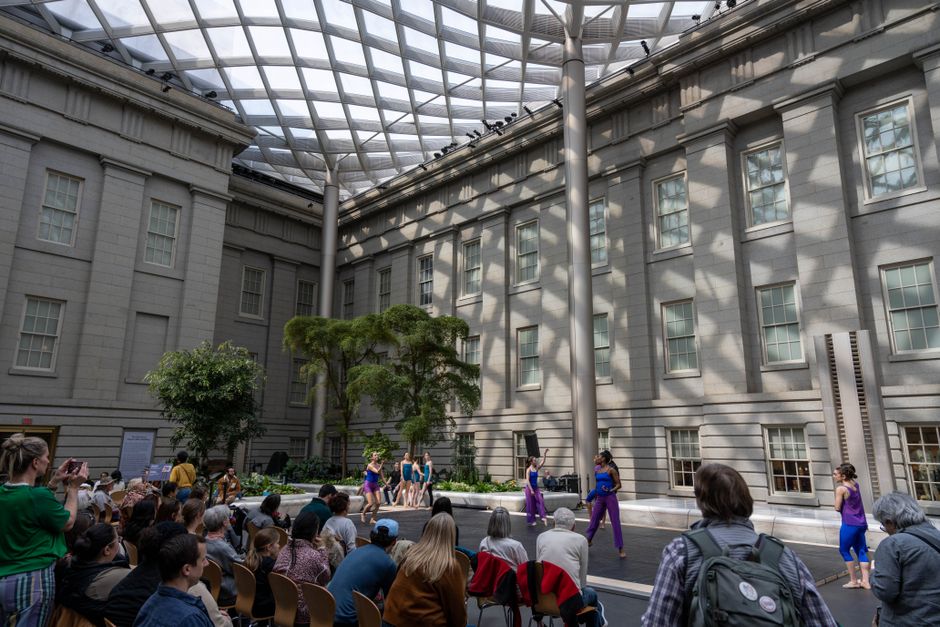
On July 4, 2026, Washington DC’s cultural landscape continues to draw thousands to its neighbourhoods, where art, music, and history weave a distinct local identity. The city’s cultural scene, often eclipsed by its political significance, offers residents and visitors a glimpse into a vibrant evolution spanning over a century.
Understanding the growth and transformation of Washington DC's cultural scene has particular resonance today as the city commemorates Independence Day — a symbol not just of the nation’s birth but also of the rich community stories embedded within its neighbourhoods. The ongoing shift from politically charged street art to cutting-edge galleries marks a broader narrative about urban renewal, demographic change, and artistic expression in America’s capital.
The U Street Corridor is often heralded as the birthplace of DC’s jazz scene, where icons like Duke Ellington once played at the famed Howard Theatre. Today, venues such as the 9:30 Club and the Lincoln Theatre preserve this legacy, blending historical reverence with contemporary music acts. Around 14th Street Northwest, the Shaw neighborhood has evolved into a hub for galleries and theatres like the Studio Theatre and Blind Whino, reflecting a vibrant mix of avant-garde art and community engagement.
Organizations like the DC Commission on the Arts and Humanities have propelled this evolution by investing millions annually—$7.4 million in grants last fiscal year alone—to support local artists and cultural programs. The recent introduction of the Culture Builds DC initiative aims to further integrate cultural spaces into urban planning, enhancing accessibility city-wide.
Statistics underscore this growth: according to a 2025 District Department of Tourism report, cultural events in DC attracted 7.8 million visitors, generating an estimated $512 million in economic impact for local businesses. Entry to popular museums such as the Smithsonian American Art Museum remains free, but ticket prices for theatre productions at venues like Arena Stage average $60, indicating a healthy balance of accessible and paid cultural experiences.
Additionally, neighborhood surveys conducted by the DC Office of Planning reveal that 68% of residents in the downtown and Shaw areas attend cultural events at least quarterly—a substantial increase from 45% a decade ago. The proliferation of art festivals and open-studio weekends also illustrate growing community participation.
These numbers reflect a cityscape where culture not only entertains but also drives economic vitality and social cohesion, maintaining its allure amid national political upheavals and urban development pressures.
Whether exploring the historic jazz bars or the galleries showcasing contemporary visual arts, today’s DC cultural scene is a dynamic collage shaped by both heritage and innovation.
As one moves into the coming months, locals and tourists can look forward to expanded programming under the Culture Builds DC umbrella, new exhibitions at the District’s galleries set to open this fall, and live performances scheduled across the U Street Corridor to celebrate Black Music Month in September. Planning ahead, those interested can book tickets online or visit local arts organizations to engage more deeply with the city’s evolving cultural narrative.
How does this story make you feel?
Spread the word
About this article
Published by The Daily Washington DC
Daily brief
Free, in your inbox before 7am. Weekdays.
More in culture