The Community and Movement Driving Washington DC’s Cultural Shift on July 4th
Local artists, organizers, and neighborhoods lead a surge of cultural activity shaping DC’s evolving identity this Independence Day.
Local artists, organizers, and neighborhoods lead a surge of cultural activity shaping DC’s evolving identity this Independence Day.
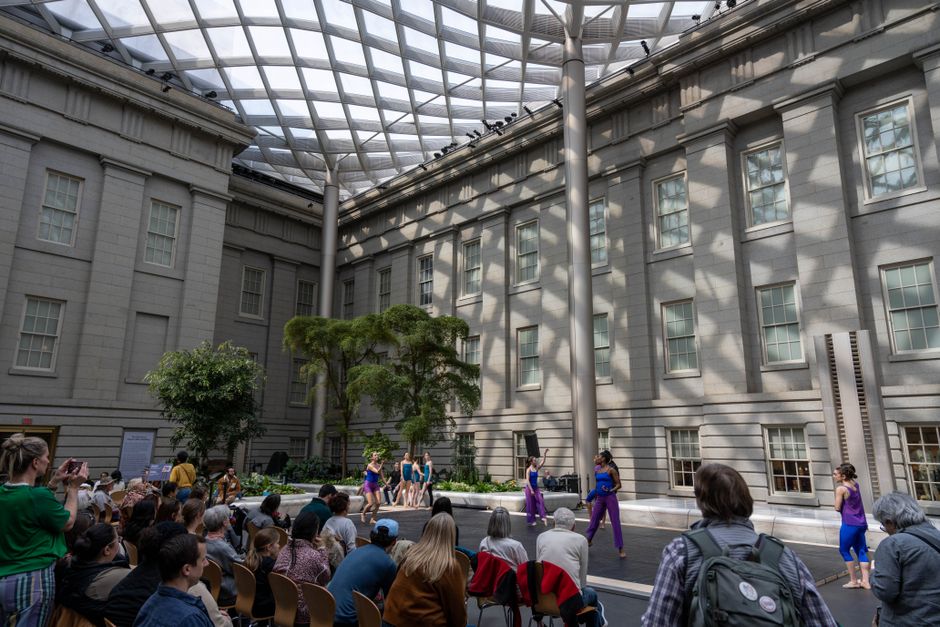
Washington DC is brimming with events today that reflect a profound cultural renaissance driven by community efforts and grassroots movements. From Capitol Hill to the U Street Corridor, local initiatives are reshaping how the city celebrates, creating more inclusive, diverse, and interactive cultural experiences in the nation's capital.
This cultural shift matters now more than ever as DC balances its role as a political hub with its identity as a diverse, artistic metropolis. The aftermath of recent global and national tensions—including ongoing geopolitical conflicts and environmental challenges—has galvanized local communities to use culture as a form of resilience and connection. The city's Independence Day celebrations are no longer just fireworks and parades; they're a platform for voices and stories often overlooked.
In the Shaw neighborhood, the Atlas Performing Arts Center on H Street is hosting a free series of performances today, spotlighting emerging Black and Latinx artists. This aligns with the Atlas’s mission to amplify underrepresented cultural expressions since its founding in 2005. Meanwhile, the Anacostia Arts Center on Martin Luther King Jr. Avenue SE is organizing community workshops focusing on local history and storytelling, drawing participation from longtime residents and newcomers alike. Together, these venues foster collaboration between artists and audiences, emphasizing shared community narratives.
Additionally, groups like the DC Cultural Collective have ramped up efforts this year to connect neighborhoods through pop-up exhibitions and street performances, particularly in areas like Columbia Heights and Brookland. This movement is partly funded by a $2 million grant awarded last fall from the DC Commission on the Arts and Humanities designed to strengthen local networks of creatives and cultural organizers.
The pace of cultural activity is impressive. According to data from Destination DC, attendance at arts events citywide has grown 18% in the first half of 2026 compared to last year. Ticket prices for certain shows average between $10 and $25, making many accessible to a broader public. Even free events—like the Capitol Fourth concert on the West Lawn of the Capitol—attract more than 500,000 attendees, reflecting the city’s appetite for communal experiences wherein cultural identity and civic pride intersect.
This surge in engagement has translated into economic vitality for districts that historically struggled with development disparities. Restaurants and galleries in neighborhoods like U Street and Adams Morgan report a 12% increase in foot traffic on event days, signaling how culture-driven initiatives bolster the local economy.
For visitors and residents looking to explore today’s cultural offerings, it pays to plan ahead. Many events require advance RSVPs due to growing popularity, especially workshops and smaller concerts. The DC Arts Calendar website provides updated schedules and ticketing info. For families, several museums along the National Mall have opened their doors with special July 4th programming, including the Smithsonian National Museum of African American History and Culture and the National Portrait Gallery, both offering free general admission.
Looking ahead, city officials and cultural leaders are set to convene this fall to discuss how to sustain this momentum beyond the holiday. The ongoing partnership between community organizations and government bodies signals a growing acknowledgment that culture is a vital pillar of Washington DC’s identity—one directly shaped by its residents’ diversity and creativity.
How does this story make you feel?
Spread the word
About this article
Published by The Daily Washington DC
Daily brief
Free, in your inbox before 7am. Weekdays.
More in culture