Inside DC’s July 4th Celebrations: The Stories and Creators Behind the City’s Festivities
From iconic firework shows to community art projects, meet the Washingtonians shaping the nation’s capital Independence Day experience.
From iconic firework shows to community art projects, meet the Washingtonians shaping the nation’s capital Independence Day experience.
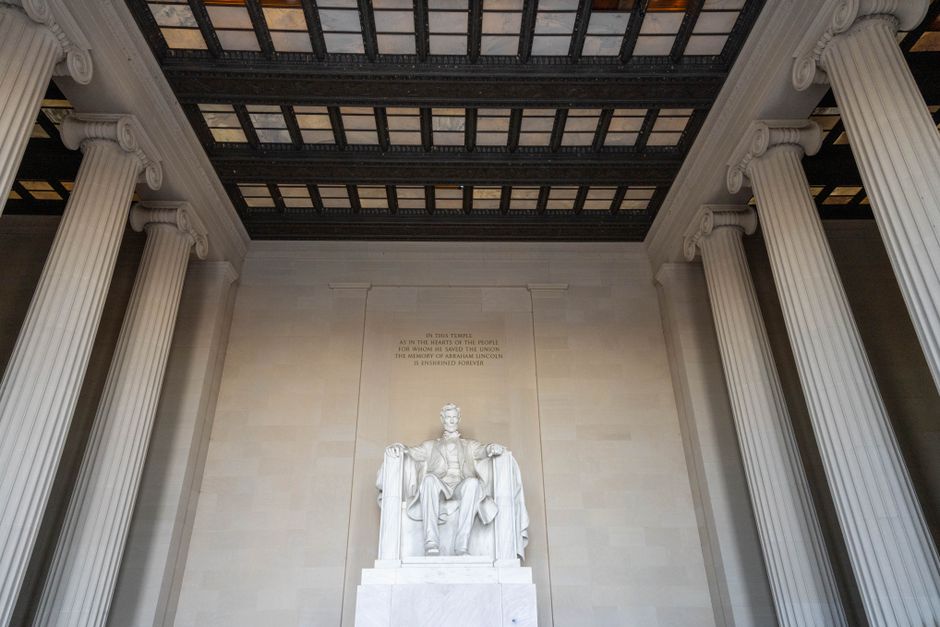
Washington DC is alive today with countless Independence Day events, but behind each spectacle lies a tapestry of dedicated stories and creators who bring the city’s celebrations to life. From the National Mall’s famed fireworks to neighborhood mural unveilings, the people orchestrating these moments are local artists, city officials, and volunteers whose efforts are often unseen by the crowd.
Understanding these stories is essential now as the city recovers and reinvents civic life post-pandemic and amid ongoing geopolitical tensions that underscore the symbolic importance of patriotic gatherings. This July 4th, the city’s cultural vibrancy offers a reaffirmation of community and shared history, making the narratives behind the scenes all the more meaningful.
The National Park Service, tasked with managing the National Mall, plays a pivotal role in orchestrating the city’s signature nighttime fireworks display over the Reflecting Pool. This year, the show has expanded to include enhanced multimedia elements developed by DC-based production company BrightLight Media, which employs a local crew of 40 technicians and designers. Their months of preparation—meticulously crafting a synchronized soundtrack and pyrotechnics sequence—reflect a commitment not only to spectacle but to a uniquely Washingtonian identity.
Meanwhile, in the Shaw neighborhood, the annual "Freedom Murals" project, coordinated by the local arts nonprofit Capital Canvas, is unveiling new public art installations that celebrate Indigenous and immigrant voices. Founded by neighborhood artists in 2015, Capital Canvas works with over 25 residents annually, empowering them to tell stories of resilience and belonging through community workshops held at the 7th Street studio. This initiative dovetails with the city’s broader objectives of fostering inclusivity and cultural recognition during civic celebrations.
Attendance at the National Mall fireworks event is expected to reach approximately 700,000 people, marking a 12% increase from 2025, according to data provided by the DC Office of Planning. Entry to the designated viewing zones remains free, though on-site parking is limited and Metro services operate extended hours until midnight with additional trains running on the Orange, Blue, and Silver lines.
For those seeking art engagements, Capital Canvas’s mural tour is freely accessible throughout Shaw on 7th Street NW between S and T Streets. Guided tours, available at 10 a.m. and 2 p.m., require advanced registration via their website and cost $15, supporting ongoing community programs.
Food vendors concentrated around Eastern Market on 7th Street SE offer local specialties ranging from $7 to $15, while several neighborhoods, including Adams Morgan and Columbia Heights, host block parties and live music, often without admission fees.
Those planning to participate should arrive early, bring water, and check the WMATA website for real-time transit updates to avoid the heavy post-fireworks rush. Officials advise using the Metrorail and walking from nearby neighborhoods like Capitol Hill and Dupont Circle to minimize congestion.
For many locals, these celebrations represent more than just a summer holiday—they are a testament to the city’s layered history and diverse voices. As DC continues to welcome residents and visitors to experience July 4th festivities, the individuals and groups behind the scenes assure that the stories of freedom and community resonate loudly, long after the last firework fades.
How does this story make you feel?
Spread the word
About this article
Published by The Daily Washington DC
Daily brief
Free, in your inbox before 7am. Weekdays.
More in culture