Politics
Washington Cancels Major Fourth of July Events as Heat Exceeds 105 Degrees
With temperatures soaring past 105 degrees, the National Mall's annual celebrations were drastically scaled back, raising questions about how the capital conducts outdoor governance events.
Listen in English · 5 min
How we reported this
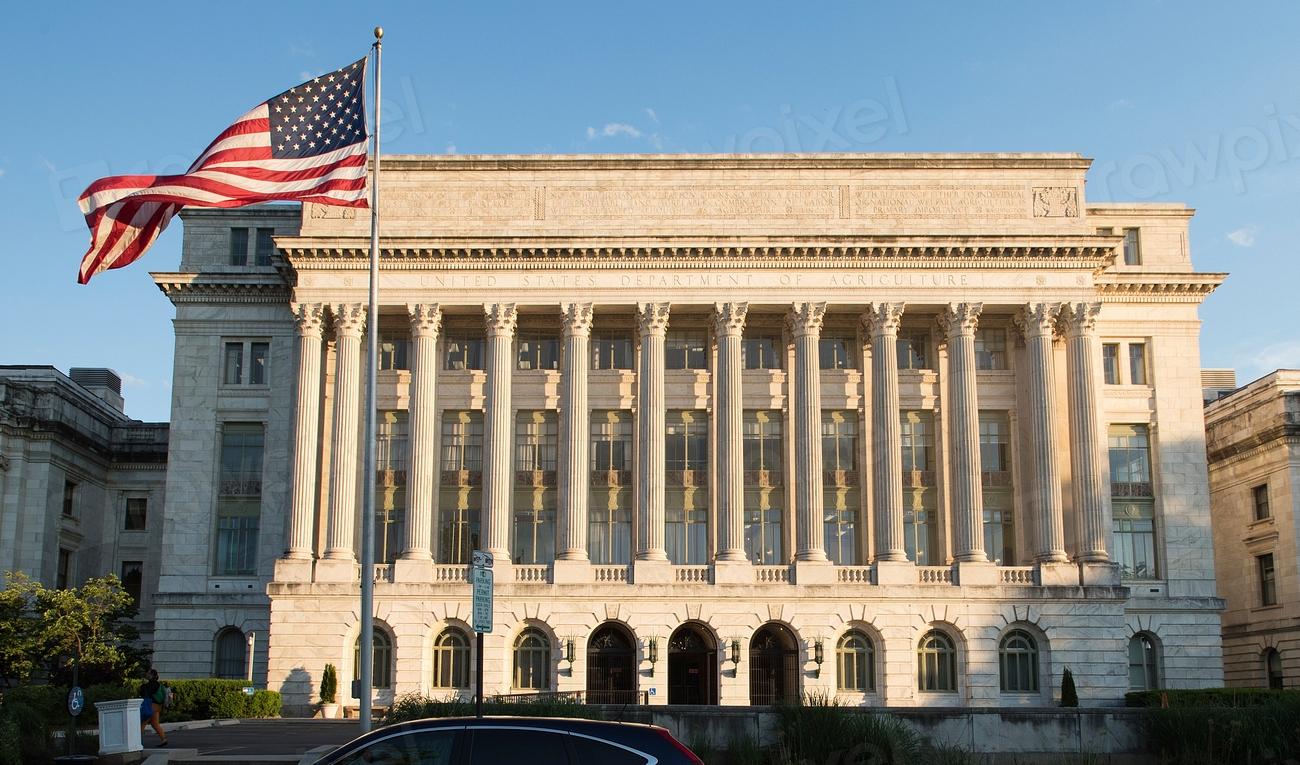
The National Park Service made the call at 6 a.m. Saturday: cancel the fireworks on the Mall. Postpone the Smithsonian's outdoor concerts. Shutter the Constitution Avenue parade route. For the first time since 1948, Washington's primary Independence Day celebration would not happen as planned.
The decision came as the National Weather Service issued a heat advisory for the District, with a heat index forecast to reach 118 degrees by noon. Park officials had already received reports of heat-related injuries at preparatory events Friday evening, when temperatures lingered above 100 degrees even as darkness fell. The Service's Operations Center in Northeast DC activated its emergency protocols at 4 a.m., pulling personnel from outdoor staging areas and canceling the traditional 11 a.m. start time for activities that typically draw 500,000 visitors to the Mall and surrounding areas.
The cancellation exposed a vulnerability in how federal agencies coordinate major public events during climate extremes. The National Capital Planning Commission, which oversees long-term development strategy for federal buildings and public spaces, had no formal protocol for heat-related disruptions to summer ceremonies. The Office of the Federal Register, responsible for documenting official government proceedings, found itself scrambling to reschedule swearing-in ceremonies and ribbon-cuttings originally planned for the outdoor South Plaza of the Eisenhower Executive Office Building.
Federal Offices Adapt on the Fly
The General Services Administration, which manages federal properties across the District, extended operating hours for 28 cooling centers in federal buildings through the weekend. The Ronald Reagan Building on Pennsylvania Avenue and the headquarters of the EPA on K Street opened their main atriums to the public. The Federal Emergency Management Agency activated two additional hydration stations in Lafayette Square and near the Thomas Jefferson Memorial, staffing them with personnel typically assigned to disaster response operations.
Reaction from across the federal workforce was mixed. Some agencies embraced the disruption as an opportunity to experiment with remote observations of Independence Day. The State Department conducted its annual diplomatic reception via video call, connecting embassies in London, Tokyo, and Brussels with headquarters staff in the Harry S. Truman Building. Other departments treated the cancellation as a forced day off. The Office of Management and Budget announced that staff would work a four-day week, with Monday as a mandatory telework day to reduce building occupancy and HVAC strain.
The heat wave comes as the White House Council on Environmental Quality releases preliminary data showing that Washington has experienced 47 days above 95 degrees so far this year, compared to an average of 31 days measured between 1990 and 2020. The summer of 2026 is tracking toward the hottest on record for the capital region. Federal buildings, many constructed in the 1960s and 1970s, were not designed for sustained temperatures above 100 degrees. The National Archives building, which houses the Declaration of Independence and the Constitution, activated its backup cooling system for the first time since 2019.
Looking Ahead to Fall Events
The cancellation raises urgent questions about how Washington will manage major federal ceremonies as extreme heat becomes routine. The Office of Personnel Management is now reviewing whether outdoor inaugurations, state funerals, and formal military parades need to shift to indoor venues or be rescheduled to cooler months. The National Academy of Public Administration convened an emergency working group Tuesday to study how other world capitals handle ceremonial events during heat extremes.
For now, Washington remains in reactive mode. The Kennedy Center postponed its July Fourth concert series to August 15, offering free tickets to original attendees. The Smithsonian Institution announced it would reschedule the Mall's outdoor programming to evening hours starting next week, with events beginning at 7 p.m. when ambient temperatures typically drop below 95 degrees.
Federal employees and residents should expect more disruptions as climate patterns shift. Check agency websites for updates on any outdoor ceremonies planned for later this month. Pack water bottles and electrolyte drinks if you venture near the Mall or federal office parks. The heat isn't done yet.