U Street Corridor Shopping: DC's Vintage & Independent Retail Hub
Discover how U Street's vintage shops and independent retailers are adapting with hybrid models. Local shopping guide to Washington DC's eclectic marketplace transformation.
Discover how U Street's vintage shops and independent retailers are adapting with hybrid models. Local shopping guide to Washington DC's eclectic marketplace transformation.
Listen to this article · 3:53
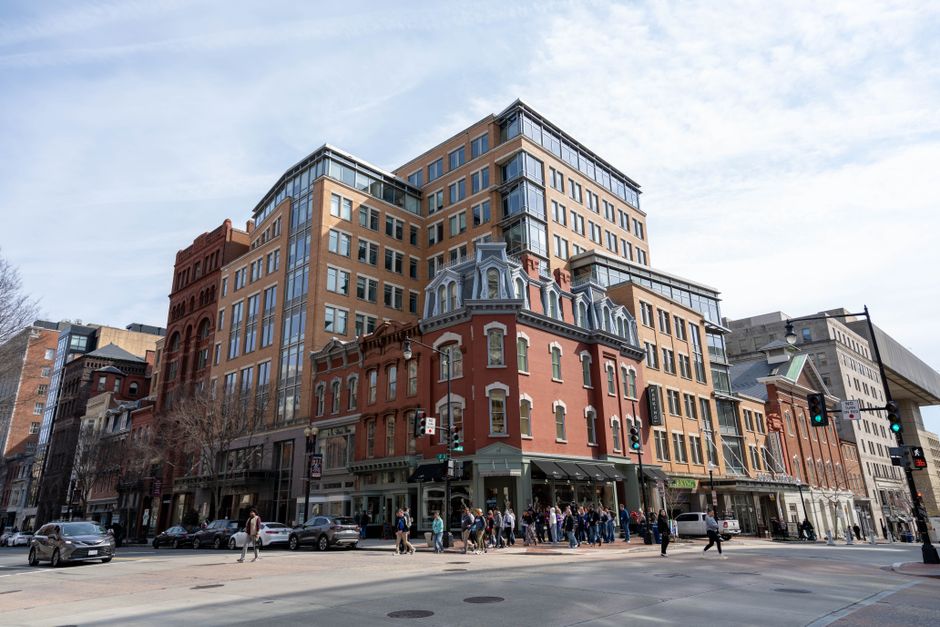
Walk along U Street NW on a Saturday morning in 2026, and you'll notice something distinctly different from five years ago. The vintage shops, thrift markets, and independent retailers that defined this corridor's identity are still here—but they're operating in an entirely new ecosystem.
The transformation began quietly. Between 2023 and 2025, foot traffic on U Street declined by roughly 12 percent compared to pre-pandemic averages, according to data from the U Street Corridor Business Improvement District. Rather than fade, vendors adapted. Today, roughly 60 percent of independent retailers on the strip now operate hybrid models, combining brick-and-mortar storefronts with robust online operations and social media-driven pre-shopping experiences.
What does this look like in practice? At Marcus Books, one of the corridor's anchor independent retailers, customers now reserve items through Instagram Stories before visiting. Across the street, vintage dealers run live-shopping events on TikTok where followers can bid on finds in real-time, with merchandise held for in-store pickup. It's turned shopping into performance, and younger customers—particularly those aged 18-34—are responding enthusiastically.
The economics have shifted too. Average retail rents on U Street stabilized around $28-35 per square foot annually (down from $38-42 in 2022), making the neighborhood more accessible to experimental pop-ups and niche vendors. This June alone, the corridor welcomed four new retailers: a sustainable fashion resale collective, a rare book dealer specializing in African-American authors, and two rotating art-meets-commerce spaces designed specifically for three-to-six-month tenancies.
Commercial landlords have noticed the shift. Several property owners now offer flexible lease structures—something virtually unheard of on U Street in previous decades—recognizing that today's most valuable retailers aren't necessarily those with the highest credit ratings, but those generating Instagram engagement and community buzz.
The Howard Theatre's 2019 renovation catalyzed much of this change, but the real momentum comes from a younger generation of entrepreneurs who view U Street not as a destination where you shop, but as a lifestyle destination where shopping is just one element. Weekend programming now includes improvisational markets, artist residencies, and community-led curation events that blur retail and entertainment.
For lifelong residents and newcomers alike, the U Street of 2026 feels simultaneously familiar and reinvented—a marketplace that's discovered how to honor its history while embracing an entirely different future.
This article was compiled by AI and screened before publishing. See our editorial standards.
How does this story make you feel?
Spread the word
About this article
Published by The Daily Washington DC
Daily brief
Free, in your inbox before 7am. Weekdays.
More in lifestyle