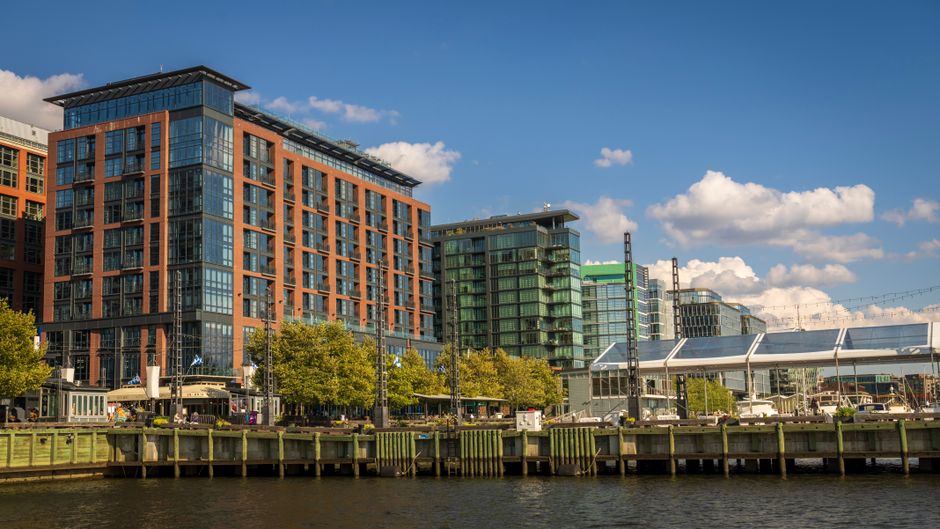
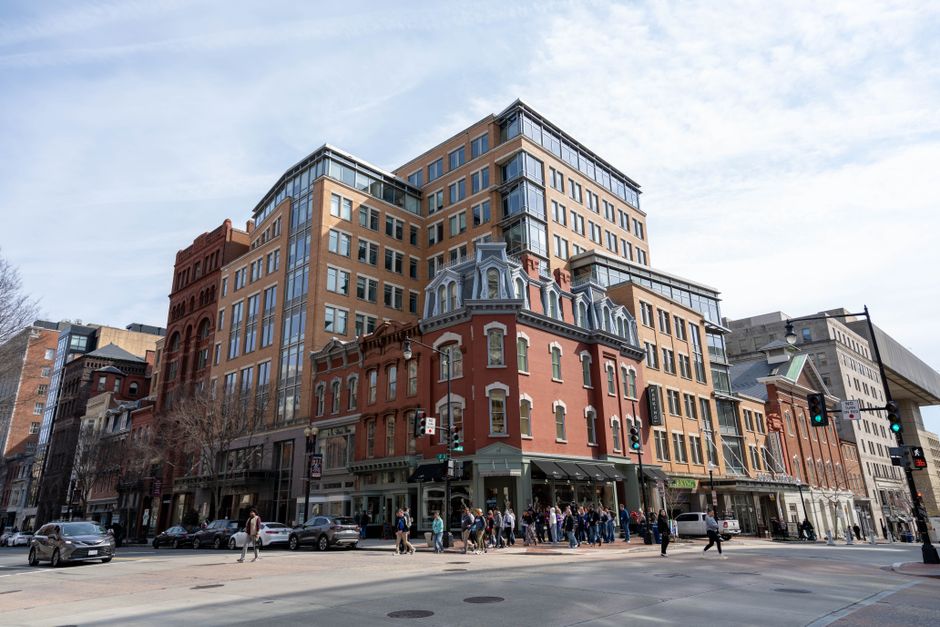
For decades, Georgetown's waterfront along the Potomac River was a pleasant-enough spot for a casual walk, but it rarely competed with other weekend destinations in the capital. That's shifting dramatically. Over the past eighteen months, the neighbourhood has undergone a quiet transformation that's extending the waterfront's appeal well beyond the warmer months—and attracting a more diverse range of leisure-seekers.
The catalyst has been a combination of new investment and infrastructure improvements. Last autumn, three new mid-range restaurants opened within a few blocks of the C&O Canal towpath, filling a gap that locals had long complained about. Meanwhile, the District has completed a $4.2 million renovation of the waterfront promenade between Wisconsin Avenue and 34th Street, widening pedestrian pathways and installing weather-resistant seating areas that have made autumn and early spring visits more comfortable.
What makes this evolution particularly notable is the shift in weekend behaviour. According to data from the Georgetown Business Improvement District, weekend foot traffic along the waterfront has increased by 23 percent year-over-year, with a notable spike in autumn months—traditionally a slow season. Local operators attribute this to better year-round programming. The Georgetown Waterfront Initiative now hosts monthly cultural events, from outdoor film screenings to live music performances, extending well into autumn.
The demographic profile of weekend visitors is changing too. While the waterfront was once dominated by families and couples seeking Instagram-worthy moments, it's increasingly attracting older residents and those seeking quieter, more contemplative experiences. The newly opened Georgetown Waterfront Library annex, which opened in March, has created a novel hybrid space where locals combine leisurely browsing with canal-side walks.
Pricing remains accessible compared to other upmarket neighbourhoods. A meal at one of the new waterfront venues typically runs $15-28 for lunch, $25-45 for dinner. Canal walks remain free. However, some long-time residents express concern about gentrification creeping into the broader neighbourhood, with property values on nearby residential streets rising sharply.
Looking ahead, city planners are eyeing further improvements to the Rock Creek Park connections—an initiative that could position Georgetown's waterfront as part of a larger continuous leisure corridor. Whether that vision materializes, the waterfront has already proven it can reinvent itself beyond its role as a summer afterthought.
This article was compiled by AI and screened before publishing. See our editorial standards.