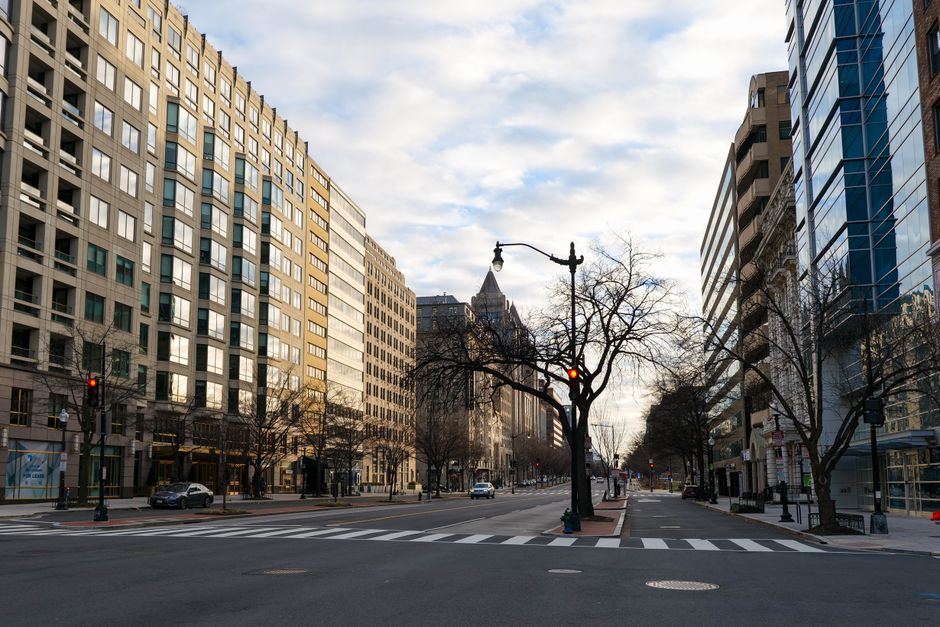
The closure of the Martha's Table satellite office on U Street NW last month marked another quiet loss for Shaw residents, but the impact reverberates across one of Washington DC's most rapidly transforming neighborhoods. Since 2015, property values in the U Street corridor have climbed 67 percent, according to real estate analysts, pricing out the very community members who built the neighborhood's cultural identity.
Martha's Table, which served roughly 340 families monthly with food assistance and job placement services, announced the closure due to lease costs doubling to $4,200 per month. The organization has consolidated operations to a single location in Petworth, now a 45-minute commute via public transit for families without cars—many of whom live paycheck to paycheck.
"We're seeing a pattern," says Dr. Raymond Johnson, director of community development at Howard University's Center for Urban Progress, which monitors neighborhood displacement. "When commercial rents spike, nonprofits leave. When nonprofits leave, the safety net disappears."
The U Street office closure follows the relocation of the Shaw Community Center's mental health clinic to a Howard University facility, and the consolidation of two childcare programs operated by the YMCA. Collectively, these closures have eliminated or displaced services that served an estimated 1,200 residents annually—many of them earning under $35,000 per year.
Community members are fighting back. The U Street Community Alliance, formed in March, has launched a petition demanding that the DC government enforce commercial rent stabilization policies and require developers to fund community services in gentrifying neighborhoods. The petition has gathered 3,100 signatures in six weeks.
City Councilmember Charles Allen acknowledged the crisis during a June community meeting at the True Reformer Building, noting that Shaw has lost 23 percent of its longtime African American residents since 2010. "We created the conditions for this displacement through our own zoning and tax policies," he stated.
The DC Department of Housing and Community Development launched a pilot community benefits program in May, requiring major developments to contribute to local service funds. But advocates argue it's too little, too late for neighborhoods already transformed.
For families like 52-year-old Maria Santos, who relied on Martha's Table for resume help and food vouchers, the closures represent a devastating loss. "This neighborhood used to take care of its own," she said. "Now it only takes care of people with money."
This article was compiled by AI from the sources linked above and screened before publishing. See our editorial standards.