DC's Housing Crisis Sparks Rare Consensus Among City Officials and Urban Planners
As median rents exceed $2,100 monthly, policymakers across the political spectrum are converging on mixed-income development and zoning reform as essential solutions.
As median rents exceed $2,100 monthly, policymakers across the political spectrum are converging on mixed-income development and zoning reform as essential solutions.
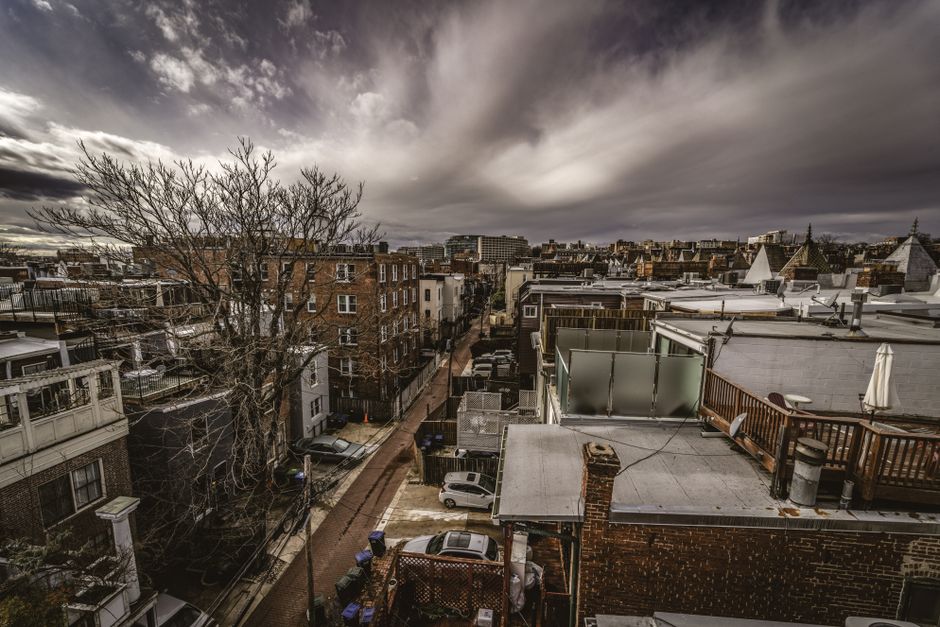
Washington DC's housing shortage has triggered an unusual moment of alignment among city officials, real estate experts, and urban planning advocates who rarely find common ground on development priorities.
The consensus centers on a familiar but urgent reality: median monthly rent in the District has climbed to $2,140, according to recent data from the Greater Washington Housing Alliance, pricing out middle-income families and accelerating displacement in historically Black neighborhoods like Shaw and Anacostia. At a symposium last week hosted by the DC Chamber of Commerce in downtown, speakers from the Office of the Mayor, the DC Housing Authority, and Georgetown University's urban planning program outlined remarkably aligned strategies.
"We cannot build our way out of this crisis through luxury apartments alone," said a presentation from the Department of Housing and Community Development at the June 24 panel discussion. The agency highlighted the shortage of units affordable to households earning 60 percent of area median income—roughly $75,000 for a family of four.
The emerging consensus emphasizes three pillars: relaxing zoning restrictions that currently limit multi-family housing in single-family neighborhoods; incentivizing developers to include affordable units through tax credits and expedited permitting; and targeting underutilized federal land, including parcels near the Anacostia waterfront and along the H Street corridor.
David Catania, former DC Council member and current housing advocate, told The Daily Washington DC that the moment requires "political courage to challenge NIMBYism in established neighborhoods." He noted that neighborhoods north of Dupont Circle have fought dense development for decades, while southern and eastern wards shoulder disproportionate density.
The DC Council is currently debating amendments to the zoning code that would permit greater residential density in low-rise neighborhoods—changes last examined comprehensively in 2016. Meanwhile, the Department of Housing and Community Development is preparing new affordability preservation requirements that would extend rent controls on converted properties in gentrifying areas.
Real estate economist Sarah Chen from the Urban Institute emphasized that "without zoning reform paired with anti-displacement measures, we simply accelerate the cycle." She pointed to projects in the NoMa district and near Metro stations as models demonstrating how density and affordability can coexist when policy creates the conditions.
Yet tensions remain. Neighborhood advisory commissions across the city continue expressing concerns about infrastructure capacity and community character. The next City Council vote on zoning amendments is scheduled for July 15, marking a crucial test of whether consensus translates into legislative action.
This article was compiled by AI from the sources linked above and screened before publishing. See our editorial standards.
How does this story make you feel?
Spread the word
About this article
Published by The Daily Washington DC
Daily brief
Free, in your inbox before 7am. Weekdays.
More in News