Washington DC's public school system stands at a crossroads this summer, with several critical decisions looming that will determine whether DCPS can reverse years of enrollment decline and address a projected $150 million budget shortfall by 2028.
The District's schools have hemorrhaged students over the past decade. Enrollment has dropped from roughly 46,000 in 2010 to approximately 38,000 today—a shift that has left buildings in neighborhoods like Anacostia and Congress Heights chronically underutilized while waiting lists swell at popular schools in Northwest DC. The Chancellor's office must now decide which facilities to consolidate, a process that will inevitably displace communities already skeptical of district leadership.
The immediate flashpoint is teacher compensation. DCPS has offered educators a 3.5 percent raise for the 2026-27 school year, but the Washington Teachers' Union is pushing for 8 percent—a demand that could consume millions in scarce resources. The union's position reflects mounting frustration: teacher salaries remain below neighboring jurisdictions like Maryland and Virginia, and turnover continues to erode classroom stability, particularly in high-poverty schools east of the Anacostia River.
On the revenue side, City Council members are debating whether to redirect education funding from other priorities. The budget process, typically concluded by early July, has become unexpectedly contentious, with advocates arguing that any cuts to schools will deepen inequality across the city's starkly divided neighborhoods.
Charter schools complicate matters. Nearly one-third of DC students now attend independently managed schools, further dividing both resources and community support. Recent expansion of charter facilities in Ward 7 has intensified competition for students, leaving some traditional public schools operating at half capacity.
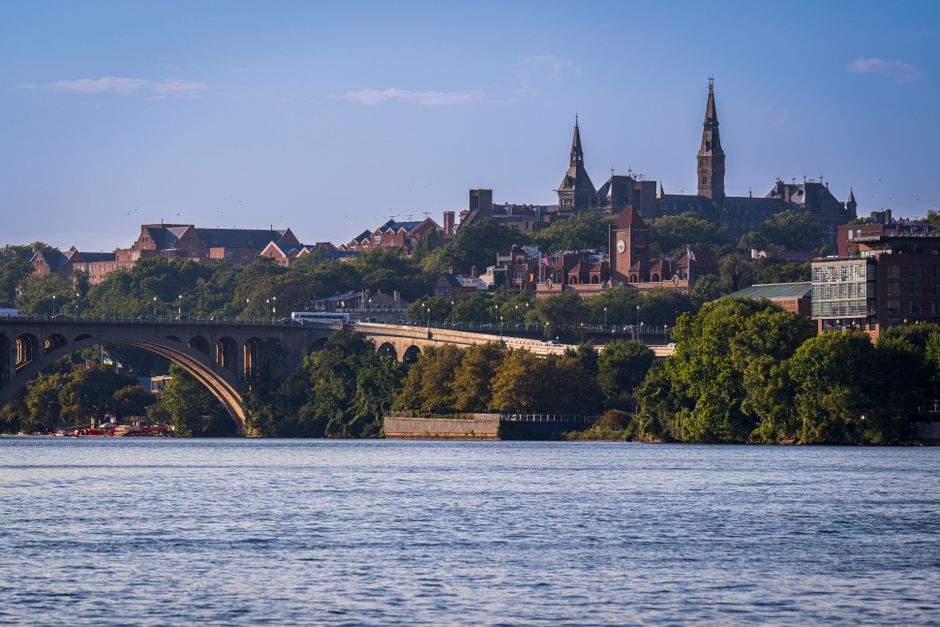
University-level education is also shifting. Georgetown University and Howard University are both expanding satellite programs and online offerings to compete nationally, while GWU has announced plans to consolidate its campus footprint downtown, consolidating several historic buildings on I Street and H Street NW. These moves reflect broader trends in higher education but will reshape the character of neighborhoods that have depended on university employment and student populations.
The decisions made in the next six weeks—on school closures, teacher pay, charter growth, and budget priorities—will reverberate through DC classrooms for years. Education advocates, parents, and union leaders are watching closely, knowing that how the city prioritizes its youngest residents will define whether DC moves toward equity or deeper division.
This article was compiled by AI from the sources linked above and screened before publishing. See our editorial standards.