Shaw Residents Fight Back Against Rising Rents: 'This is Our Neighborhood'
As property values surge along U Street, longtime community members voice fierce resistance to displacement in one of DC's most rapidly changing neighborhoods.
As property values surge along U Street, longtime community members voice fierce resistance to displacement in one of DC's most rapidly changing neighborhoods.
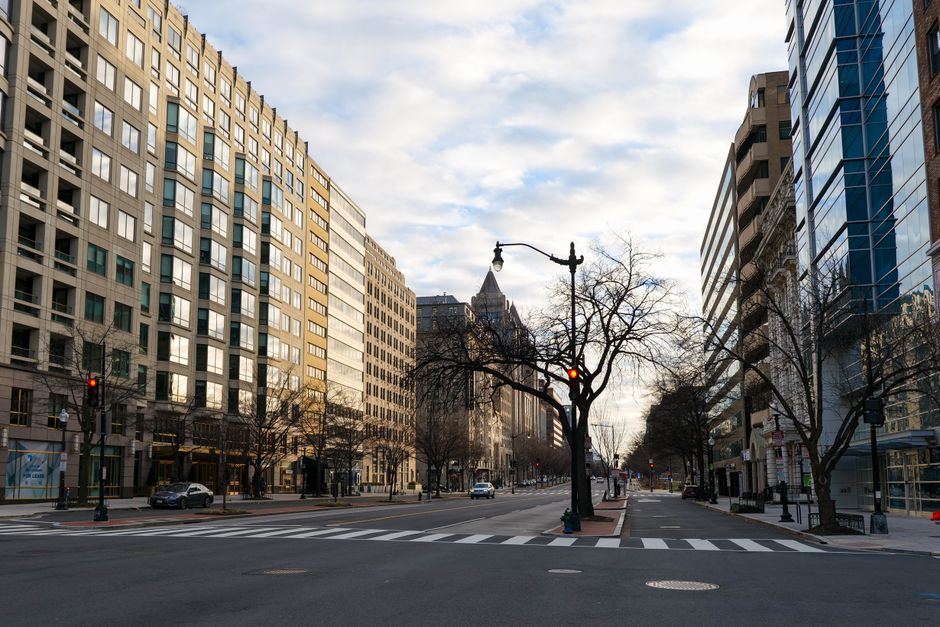
Walk down U Street NW in Shaw on any summer evening, and you'll see the neighborhood's transformation on full display: gleaming new condos rising above century-old rowhouses, craft cocktail bars replacing corner groceries, median rents climbing past $2,200 for a one-bedroom apartment.
But beneath the surface-level gentrification narrative, residents and small business owners are organizing to protect the cultural fabric that defines Shaw, speaking out against what they describe as systemic displacement threatening their community's soul.
"My family has owned this property for forty-three years," said Maria Chen, owner of a beloved dim sum restaurant on 9th Street NW who requested anonymity to avoid landlord retaliation. "Now my building's new owner wants triple the rent. Where do I go? Where do my regular customers go?"
The numbers tell a stark story. According to DC's Department of Housing and Community Development, median rents in Shaw's 20001 zip code have increased 34 percent since 2022. The neighborhood's Black population, which comprised 87 percent of Shaw residents in 2010, has dropped to approximately 61 percent today, according to recent census data.
Community groups like the Shaw Main Streets Coalition and East End Community Engagement have mobilized residents, hosting monthly forums at the Lincoln Theatre on U Street and launching campaigns for stronger tenant protections. The coalition recently presented a proposal to city council advocating for expanded right-of-first-refusal policies and increased funding for the DC Housing Authority's community land trust program.
"People act like change is inevitable," said James Turner, co-founder of the Shaw Arts Network, an organization supporting local artists. "But it's not inevitable—it's a choice. We're choosing to fight for affordability, for cultural preservation, for the artists and families who built this neighborhood."
The resistance extends beyond organized groups. At family-owned establishments like Ben's Chili Bowl's original U Street location and smaller vendors throughout the neighborhood, regular customers express deep attachment to Shaw's character. Many acknowledge that while new investment brings improvements—better infrastructure, reduced crime—the cost in terms of community displacement feels too high.
DC Mayor's office spokesperson acknowledged the housing crisis in a recent statement, noting that the city has allocated $300 million toward affordable housing initiatives citywide through 2027, though advocates argue this remains insufficient for neighborhoods like Shaw facing rapid market pressures.
As summer heats up, so does the debate. What remains clear is that Shaw's residents refuse to become passive observers in their neighborhood's future.
This article was compiled by AI from the sources linked above and screened before publishing. See our editorial standards.
How does this story make you feel?
Spread the word
About this article
Published by The Daily Washington DC
Daily brief
Free, in your inbox before 7am. Weekdays.
More in News