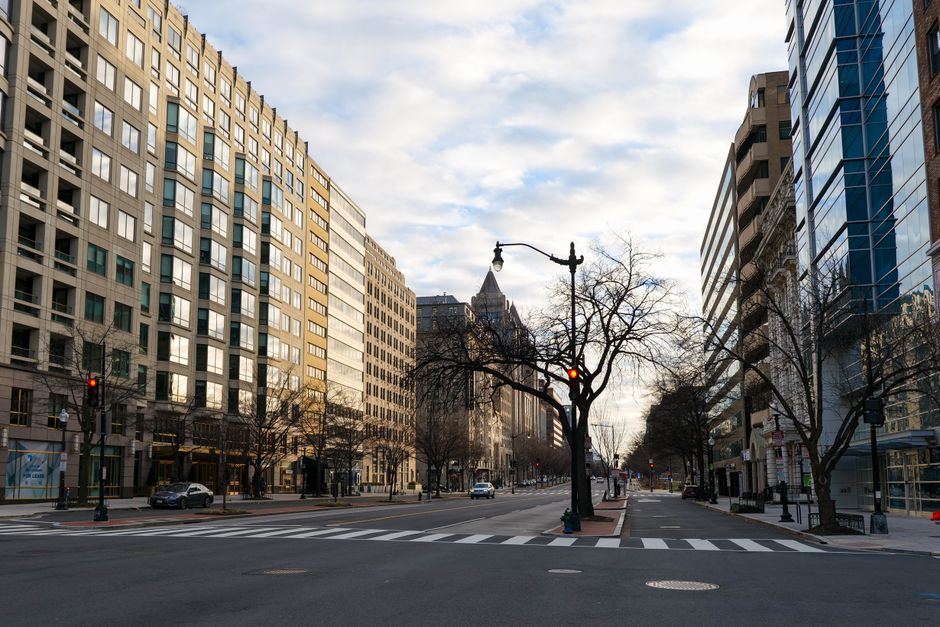
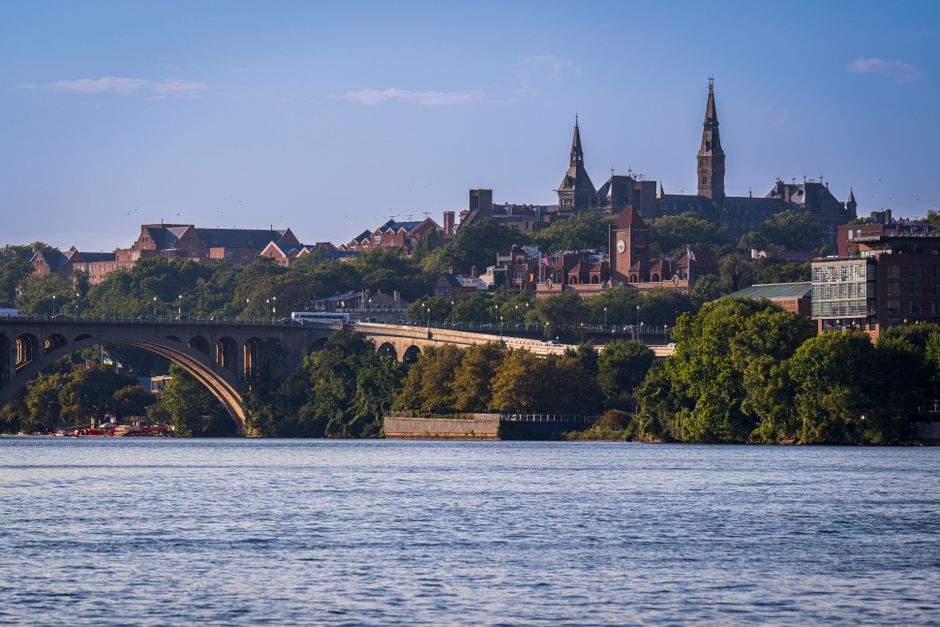
Washington D.C.'s median rent has climbed to $2,150 for a one-bedroom apartment—a 28 percent increase since 2020—yet the District's response to the affordable housing crisis remains piecemeal compared to cities grappling with similar pressures across Europe and Asia.
The contrast is stark. Vienna, often cited as a global model, dedicates 13 percent of its municipal budget to social housing, maintaining rents at roughly 40 percent below market rates for 60 percent of residents. Singapore's Housing and Development Board manages public housing for nearly 80 percent of the population. Even Berlin, after decades of deregulation, recently moved to cap rent increases at 11 percent annually across most neighborhoods.
D.C.'s approach, by contrast, relies heavily on voluntary commitments from developers. The Inclusionary Zoning program requires 8 to 12 percent of units in new projects to remain affordable for 30 years—a modest figure compared to Vienna's 30-40 percent requirement. The city budgeted $300 million for affordable housing preservation in 2025, well below what peer cities allocate per capita.
"We're reactive rather than proactive," said a housing policy analyst at a local advocacy group. The results show in neighborhoods like Shaw and Petworth, where longtime residents face displacement as properties change hands. Ward 7 and Ward 8 residents spend an average 45 percent of income on rent, compared to the 30 percent recommended by housing experts.
Mayor Bowser's office has announced plans to reduce zoning restrictions to encourage denser development, and the D.C. Housing Authority is piloting acquisition programs to preserve existing affordable stock. Yet implementation lags. The Wilson Building's zoning modernization task force, launched in 2024, has yet to produce comprehensive recommendations.
Compare this to Seoul, which is constructing 100,000 public rental units by 2028, or Toronto, which increased non-profit housing funding by 500 percent since 2019. Even Boston has announced a $500 million affordable housing trust.
City officials defend D.C.'s strategy as tailored to the District's constraints: limited land, a transient population, and competing budget priorities. Yet residents and advocates argue the city risks becoming a playground for the wealthy, with essential workers—nurses, teachers, service employees earning $45,000 annually—increasingly unable to afford neighborhoods near employment centers like Dupont Circle or the U Street Corridor.
As D.C. competes globally for talent and claims the mantle of a world-class capital, the question grows urgent: can the city afford to move slower than the competition on its most pressing local challenge?
This article was compiled by AI from the sources linked above and screened before publishing. See our editorial standards.