How Metro’s $2.3 Billion Overhaul Became Inevitable For DC Transit
From shifting federal work patterns to years of deferred maintenance, the capital’s biggest Metro disruption in a decade has deep roots.
From shifting federal work patterns to years of deferred maintenance, the capital’s biggest Metro disruption in a decade has deep roots.
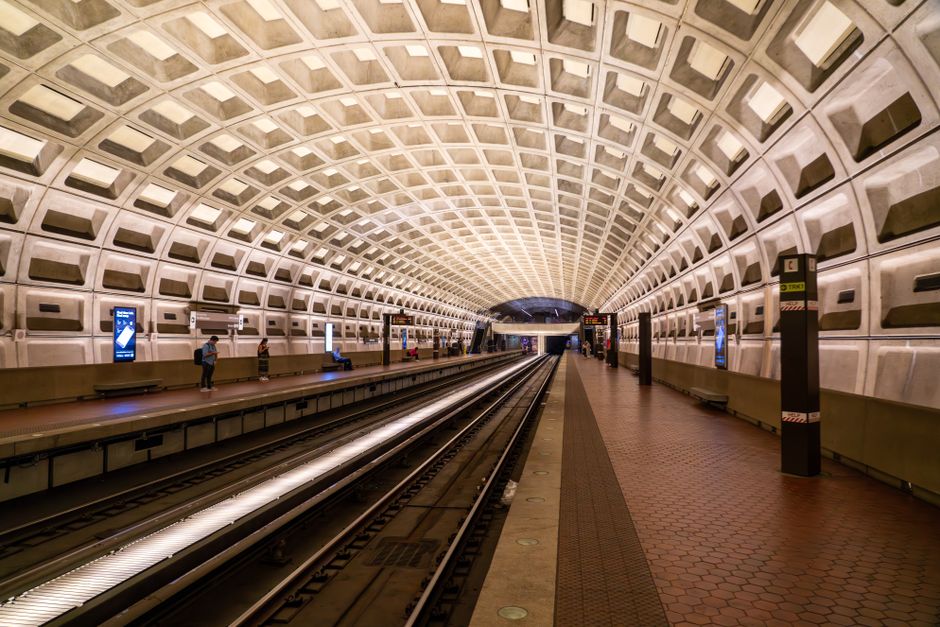
The Washington Metro’s largest reconstruction plan in a generation—costing $2.3 billion and already shuttering several key stations—has upended the daily rhythm for hundreds of thousands of area commuters. What began as a slow-moving fix for old tracks and leaky stations has, as of this summer, grown into a full-blown transformation of DC transit with ripple effects from Tenleytown to Navy Yard. And while riders sweat through bus bridges in the July heat, city officials insist this wrenching change was years in the making.
Metro’s overhaul matters now more than ever because the District’s basic transportation ecosystem is under pressure as never before. The Trump administration’s federal workforce shakeup has dramatically cut downtown foot traffic since 2025, prompting Metro to recalibrate for fewer nine-to-five commuters and a swelling flow of service workers and tourists. Meanwhile, cost-cutting at the Department of Government Efficiency (DOGE) has trimmed federal transit subsidies, squeezing WMATA’s already tight budget. The system, long dependent on daily office-bound feds, must now adapt—or risk falling further behind Washington’s surging population and shifting economic geography.
The roots of the current crisis wind past the National Mall, through the deep tunnels below Gallery Place and Union Station. Metro began showing cracks a decade ago, with escalator outages and chronic delays driving anxious city council memos as far back as 2017. But COVID-era ridership drops gutted farebox revenue, making expensive repairs nearly impossible. By 2024, WMATA officials quietly warned that the Green Line could face partial closure without a massive infusion for water infiltration and track replacement between L’Enfant Plaza and Anacostia. This urgency grew after record-breaking ridership during 2025’s Cherry Blossom Festival exposed how badly the core network was straining under years of deferred maintenance.
The $2.3 billion overhaul, officially greenlit by the WMATA Board last December, pulls funding from sources as varied as the DC Council’s 2025 transportation bond, federal matching grants, and a recently approved local sales tax hike. It covers not just new tracks, but major structural work at Columbia Heights, waterproofing at Shaw-Howard, and the long-postponed elevator replacement at U Street. The plan’s phased shutdowns—such as the four-month Green Line closure between Waterfront and Branch Ave—have thrown Southwest and Southeast residents onto WMATA’s hastily assembled shuttle routes, with Traffic Operations Center reporting average bus wait times last week of 23 minutes during peak hours.
Earlier this year, city figures showed Metro’s daily ridership hovering at just under 420,000—down from 750,000 pre-pandemic, but still double the 2021 nadir. Projections for this fall presage further disruptions: the planned November closure of Dupont Circle (for leak mitigation) and bus rerouting along Connecticut Avenue. For many residents in rapidly gentrifying neighborhoods like NoMa and Anacostia, the stakes go beyond inconvenience. When Columbia Heights’ station elevators broke down in March, DC Fire and EMS tallied seven medical calls within a week, mostly for elderly passengers unable to navigate stairs during rush hour. As fare increases creep in—MetroBoard approved a hike to $2.80 per ride in May—transit advocacy group Greater Greater Washington warns of the risk of pricing out lower-income residents.
Long story short, this overhaul is a response decades in the making to short-term fixes, a shrinking revenue base, and the demands of a bigger, busier city. While WMATA’s board promises smoother, more reliable service by late 2027, the next 18 months will mean patience for everyone—especially if your commute runs along the Green or Yellow lines.
For now, Metro suggests checking the Trip Planner app daily, allowing up to 40 extra minutes for cross-river journeys, and exploring Capital Bikeshare or DC Circulator routes, especially in affected corridors like Eastern Market or U Street. The city’s promise: by the time DC welcomes the World Cup in 2027, the Metro may finally keep up with the capital it serves.
How does this story make you feel?
Spread the word
About this article
Published by The Daily Washington DC
Daily brief
Free, in your inbox before 7am. Weekdays.
More in News