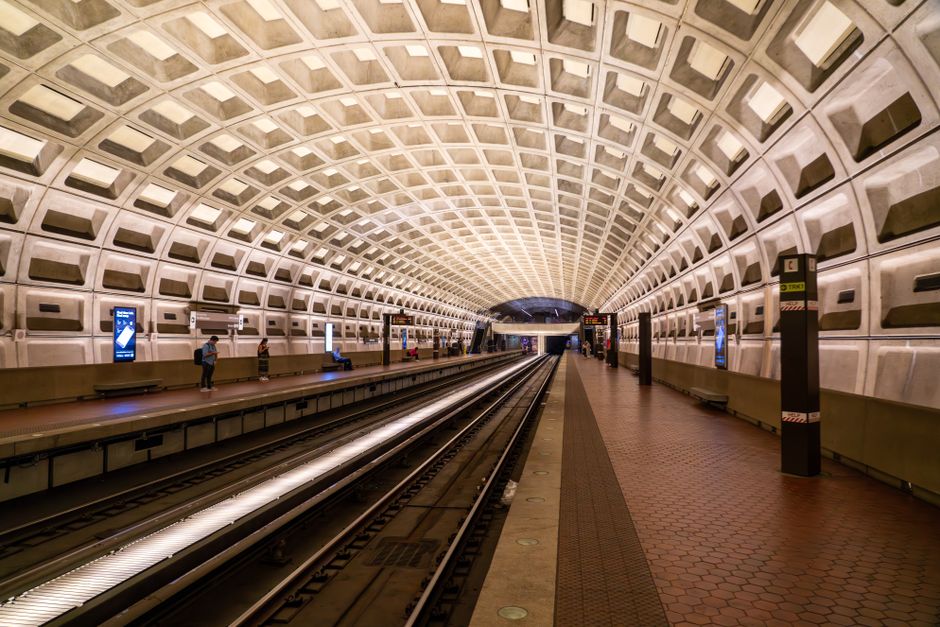
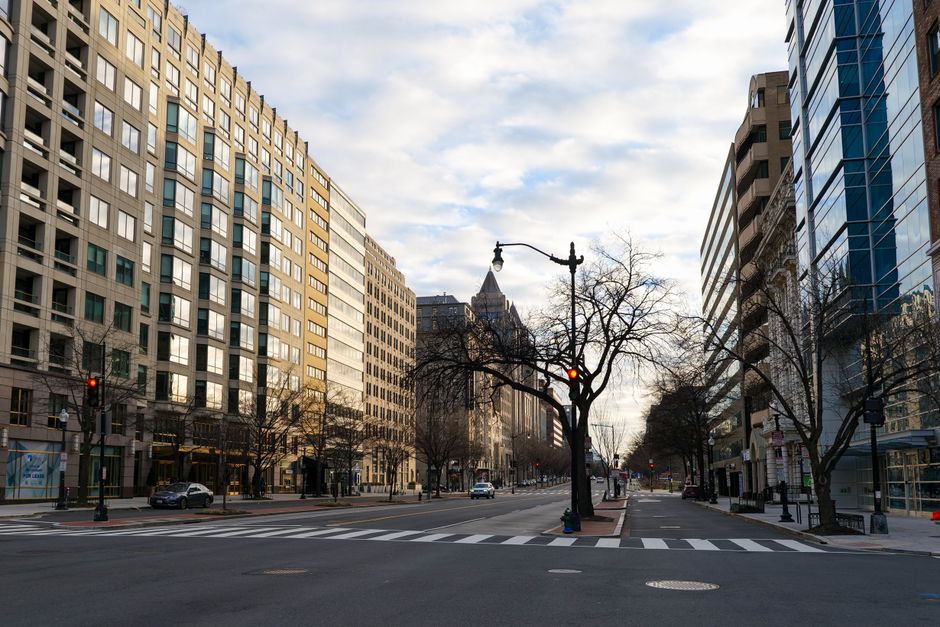
The Washington Metropolitan Area Transit Authority (WMATA) must decide by August whether to greenlight a sweeping $2.3 billion overhaul of the Red Line, as ageing equipment, safety concerns, and rider complaints converge ahead of a defining vote.
The Red Line isn’t just Metro’s oldest route; it’s the backbone of DC’s daily commute, carrying thousands every hour from Shady Grove through Silver Spring, Dupont Circle, and into the heart of the federal district. For years, cracks under Cleveland Park and electrical failures around Judiciary Square have signaled deeper maintenance woes. With federal funding uncertain amid this year’s Department of Government Efficiency (DOGE) cuts, the urgency to modernize is mounting—now, city leaders and WMATA have just weeks to choose between phased repairs or a disruptive, years-long closure for full reconstruction.
What’s at Stake for DC Neighborhoods
Both options on the table would deeply impact daily life across the District. Riders from rapidly changing NoMa to the historic rowhouses of Brookland face months—up to three years, under the most ambitious plan—of delays, closures, and bus bridges. Union Station, a lynchpin for commuters and Amtrak travelers, could lose most Red Line service during critical phases.
WMATA’s board, meeting regularly at its headquarters on 5th Street NW, has been pressed by advocacy groups such as the Coalition for Smarter Growth and the DC Fiscal Policy Institute to balance safety with access. Meanwhile, Mayor Muriel Bowser’s office cites continued gentrification in areas like Anacostia and NoMa, warning that service outages could disproportionately hit workers from Southeast DC who rely on the Red Line for shifts at Union Market or Federal Triangle offices.
In June, Metro reported more than 217,000 average daily boardings on the Red Line—about 44% of systemwide ridership, a slight uptick over last year as more city workers returned to offices. But deferred repairs come with a cost: in April, the system saw six major delays due to 1970s-era signal failures between Medical Center and Gallery Place-Chinatown. Should Metro opt for full-scale closure, WMATA estimates a price tag of $2.3 billion; limiting work to overnight and weekend shutdowns would stretch repairs into the next decade, likely pushing the cost even higher due to labor and inflation.
Critical Decisions and What Riders Should Expect
The WMATA board will announce its preferred plan in late August. If board members back the full overhaul, expect major closures—most notably between Woodley Park and Farragut North—beginning as early as January 2027. Metro officials are working with DDOT and city councilmembers to develop expanded bus shuttles on Connecticut Avenue and North Capitol Street, along with new e-bike stations at Fort Totten and Tenleytown. Local businesses, especially those near Dupont Circle and Gallery Place, are bracing for a hit after a pandemic-era sales slump.
For now, WMATA urges riders to monitor updates on its website and sign up for neighborhood-specific alerts. While exact closure timelines remain subject to board approval, even the most optimistic timelines mean at least 12 months of rolling shutdowns. The agency says SmarTrip passes will be honored on temporary bus routes, but warns ride times could double during peak hours.
With a decision looming and the stakes high for DC’s mobility and economy, transit advocates and city leaders alike are calling on residents from Cleveland Park to Brookland Manor to weigh in at public forums this month. The path chosen in August could define the city’s transportation future for a generation.