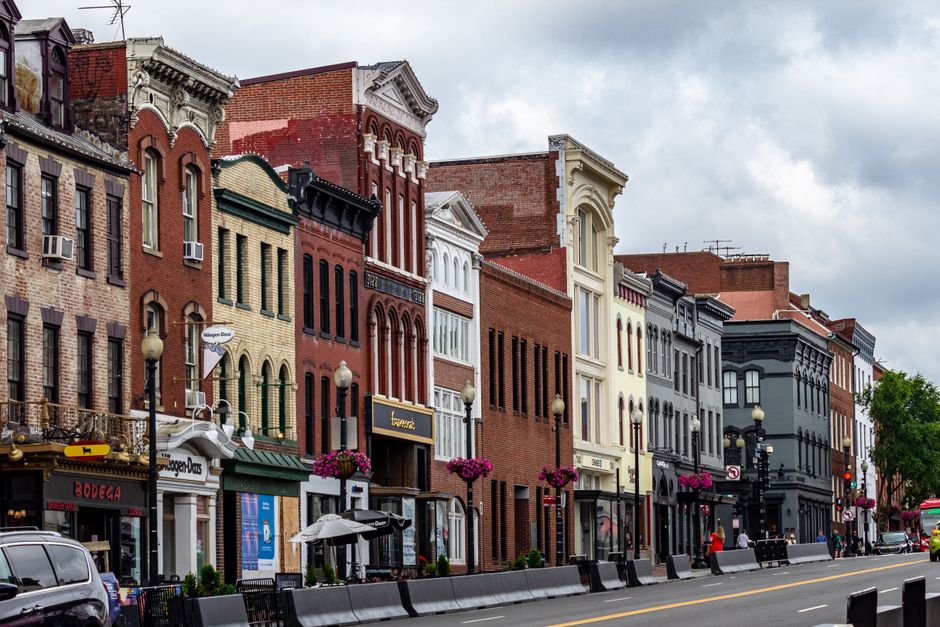
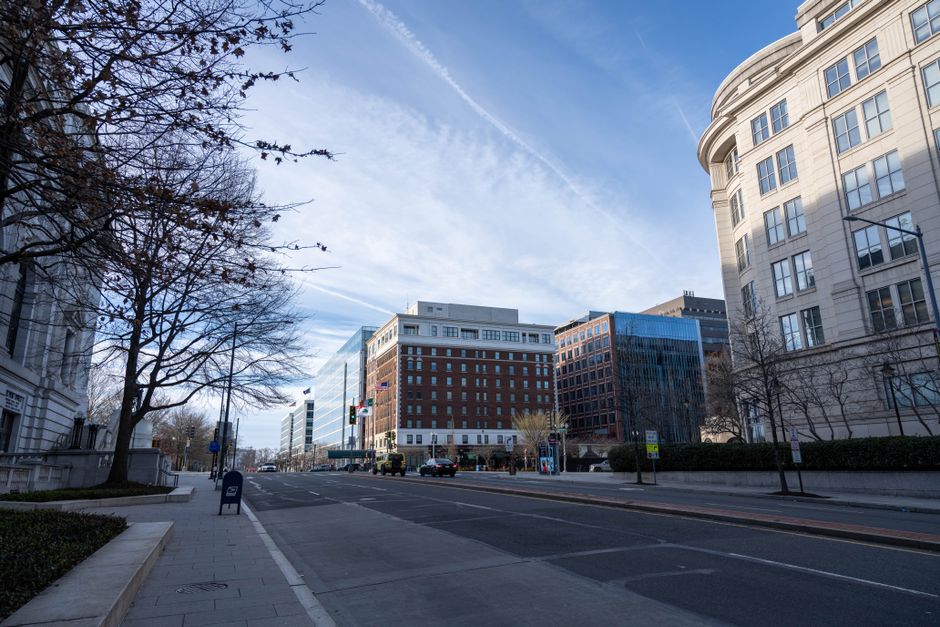
The conventional wisdom that Georgetown and Capitol Hill command the best investment returns in the DC market is colliding with reality. New data from regional investment firms shows that while trophy neighbourhoods continue appreciating, they're delivering modest cash yields—typically 2-3 percent annually—that barely outpace inflation when mortgage costs are factored in.
Meanwhile, savvy investors are redirecting capital toward the suburbs and transitional urban neighbourhoods, where gross rental yields are running 4-5 percent. The arithmetic is simple but powerful: a $500,000 apartment in Ballston generating $2,200 monthly rent yields $26,400 annually. The same capital deployed in a Capitol Hill townhouse renting for $3,500 monthly produces $42,000—but that property likely cost $900,000, making the actual yield just 4.7 percent before expenses.
Arlington's Ballston corridor has emerged as the standout performer. Newer mixed-use developments along Wilson Boulevard are attracting institutional investors betting on continued Metro-adjacent demand. A modest two-bedroom unit in these buildings typically rents for $2,100-$2,400, while purchase prices hover around $450,000-$520,000. For investors comfortable with newer construction and HOA fees, the math works: realistic net yields of 3.5-4 percent, plus steady appreciation driven by Arlington's employment base and limited housing supply.
The H Street Northeast story is more nuanced. Five years ago, investors treating the corridor as a speculative play are now realising genuine rental demand. Renovated rowhouses near the H Street Corridor's burgeoning restaurant and retail scene rent briskly at $2,800-$3,200 for three-bedroom configurations, with purchase prices in the $550,000-$700,000 range. That's a 4.2-5.5 percent yield—respectable for a neighbourhood with appreciation optionality.
Navy Yard, despite higher property prices ($700,000-plus for comparable units), is attracting institutional capital chasing long-term workforce housing trends. The neighbourhood's yield profile mirrors H Street but with marginally lower volatility.
What's driving the shift? Mortgage rates stabilising around 6.5-7 percent have made cash-on-cash returns matter again. Investors can no longer rely on 8-10 percent annual appreciation to justify thin rental yields. The DC median of $700,000 now demands disciplined underwriting.
For investors serious about quarterly returns rather than lottery-ticket appreciation, the data is unambiguous: Arlington and H Street Northeast offer superior yield profiles with acceptable risk profiles. Georgetown remains a trophy asset—but increasingly, it's a capital preservation play rather than a cash-generating machine.
This article was compiled by AI from the sources linked above and screened before publishing. See our editorial standards.