New Apartment Towers Are Flooding DC's Rental Market—Here's What Tenants Need to Know
As major developments reshape H Street and Navy Yard, vacancy rates are climbing, giving renters leverage they haven't had in years.
As major developments reshape H Street and Navy Yard, vacancy rates are climbing, giving renters leverage they haven't had in years.
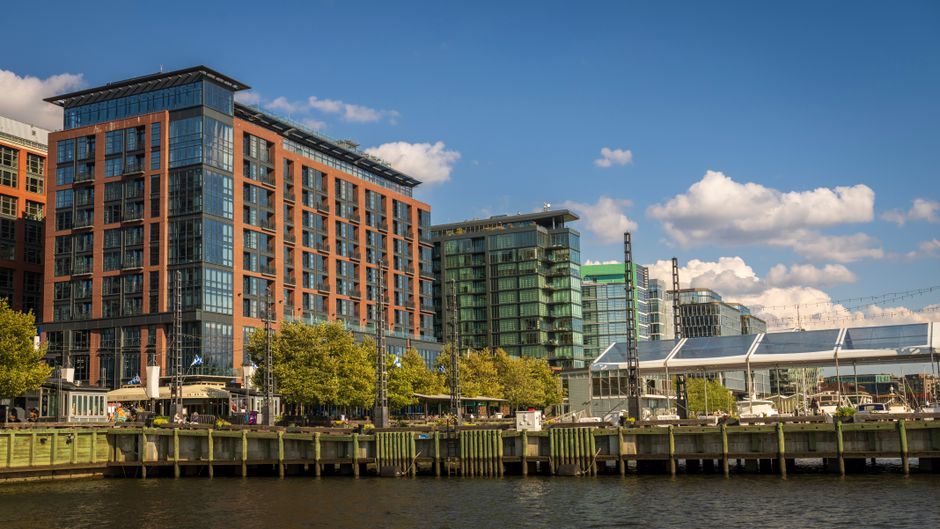
Washington DC's rental market is experiencing a rare moment of tenant advantage. Vacancy rates across the District have climbed to 7.2% in the second quarter of 2026—nearly double the 3.8% recorded just eighteen months ago—thanks in large part to a surge of new residential construction reshaping neighborhoods from the waterfront to the Northeast Corridor.
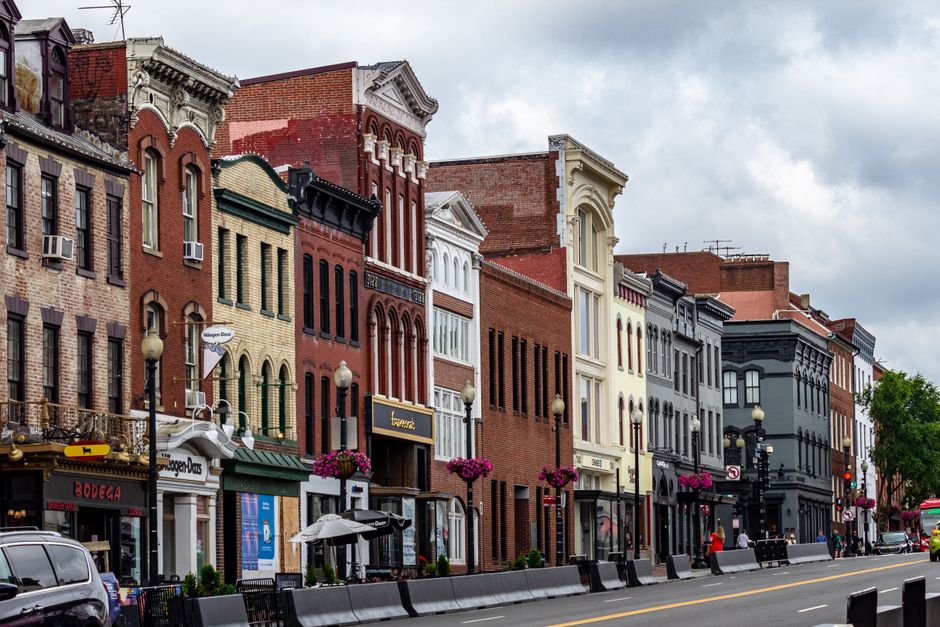
The transformation is nowhere more visible than along H Street NE, where three major mixed-use developments completed in the past year have added nearly 900 rental units. The completion of the Dockyard project near Union Market and simultaneous openings along the Navy Yard-Ballpark corridor have fundamentally altered the supply equation, according to local real estate data. Average rents in H Street's immediate vicinity have stabilized at roughly $1,950 for a one-bedroom after climbing steadily through 2024 and 2025.
"What we're seeing is a geographic shift in demand," explains the logic of the current market. Tenants previously priced out of Capitol Hill and Georgetown—where median one-bedroom rents remain anchored around $2,400—are finding newer, amenity-rich options in emerging neighborhoods. The Ivy City development, near Gallaudet University, added 450 units in early 2026 and sparked interest in a corridor historically overlooked by premium renters.
For prospective tenants, this moment offers genuine negotiating power absent for five years. Move-in specials and lease concessions are resurfacing. Buildings are absorbing broker fees. Month-to-month flexibility, nearly extinct in 2023, is reappearing in lease language.
However, savvy renters should understand the geography. Navy Yard's continued transformation—anchored by the Nationals stadium and expanding retail along Half Street—attracts younger renters but remains transit-dependent. The neighborhoods north of U Street, particularly along the emerging Rhode Island Avenue corridor, offer better value for families seeking access to Meridian Hill Park and Petworth's cultural scene.
Northern Virginia's competitive market tells a parallel story: Arlington and Alexandria are experiencing similar pressure, with newer Class A buildings offering concessions previously unthinkable.
The development boom isn't infinite. City planning data suggests major pipeline projects will slow by late 2027. Tenants comfortable with rapid neighborhood change should act within the next 12-18 months; those seeking stability may wait for the market to stabilize, though rents will likely climb again once supply constraints return.
The question for DC: whether this breathing room allows the city to address affordable housing in meaningful ways, or whether the reprieve simply delays an inevitable return to scarcity pricing.
This article was compiled by AI from the sources linked above and screened before publishing. See our editorial standards.
How does this story make you feel?
Spread the word
About this article
Published by The Daily Washington DC
Daily brief
Free, in your inbox before 7am. Weekdays.
More in Property