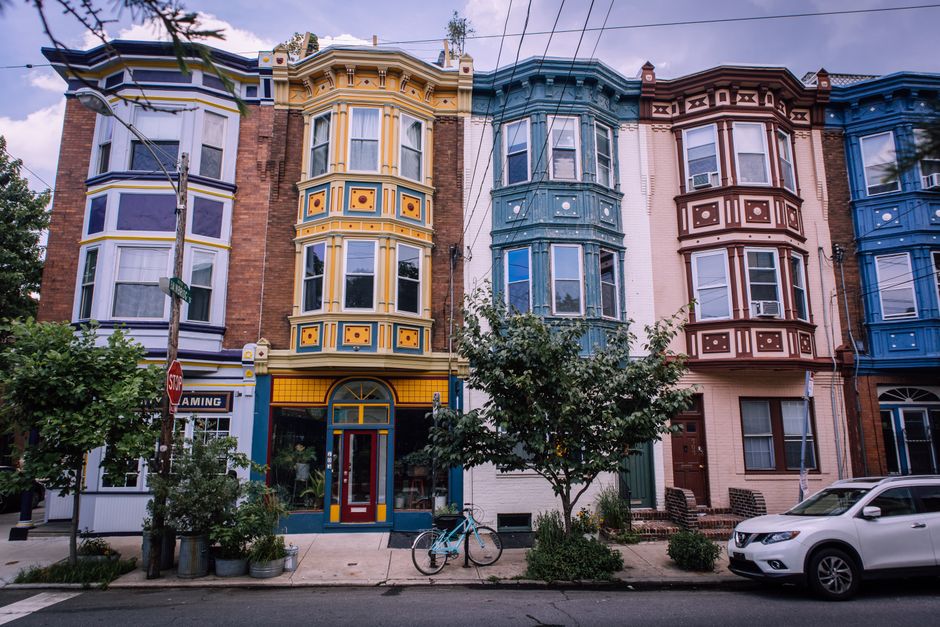
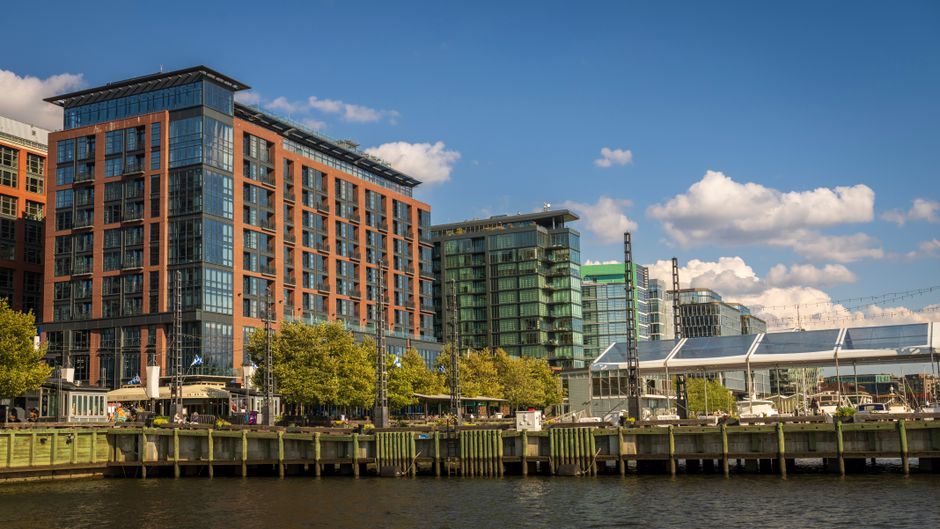
The math is brutal for Washington DC renters. A two-bedroom apartment in Capitol Hill now commands $2,400 monthly—more than many mortgage payments on a $500,000 property. Yet the irony cuts deeper: as landlords face vacancy pressures and rising maintenance costs, tenants are abandoning the rental market entirely, creating a paradox that's reshaping the city's housing economics.
"We're seeing first-time buyers who would normally rent for another three years coming in now," says housing data tracked through local lenders. Navy Yard and H Street apartments, once affordable entry points, have appreciated so rapidly that landlords are struggling to fill units despite premium pricing. Meanwhile, tenants in these neighborhoods are doing the calculus and realizing that DC's median home price of $700,000 is achievable through first-time buyer grants and favorable financing—if they act now.
The District's housing assistance ecosystem has evolved to meet this pressure. The DC Housing Finance Agency's Down Payment Assistance Program now sees record applications, offering up to $80,000 in forgivable loans for qualified buyers earning up to 120% of area median income. For a teacher or government worker in a Navy Yard rental paying $2,200 monthly, the pathway to ownership has become more accessible than staying put.
But this shift isn't without consequence for landlords. Property owners along U Street Corridor and NoMa are discovering that rental yields compressed by tenant flight require strategic repositioning. Some are converting to condos; others are holding, betting on eventual stabilization. The rental market's tightness—occupancy rates hovering near 95% in premium neighborhoods—masks deeper dysfunction: tenants are leaving not because units are scarce, but because ownership suddenly feels inevitable.
Georgetown remains insulated by sheer demand and premium positioning, but middle-market landlords in transitional corridors face genuine pressure. Rising property taxes, deferred maintenance backlogs, and regulatory costs push rents higher just as the ownership alternative becomes more compelling for their tenants.
For first-time buyers, the window feels urgent. Federal and local grants are available now; rates, while elevated, remain historically reasonable. The rental market's dysfunction has become ownership's opportunity—a role reversal that will define DC housing for years ahead.
This article was compiled by AI from the sources linked above and screened before publishing. See our editorial standards.