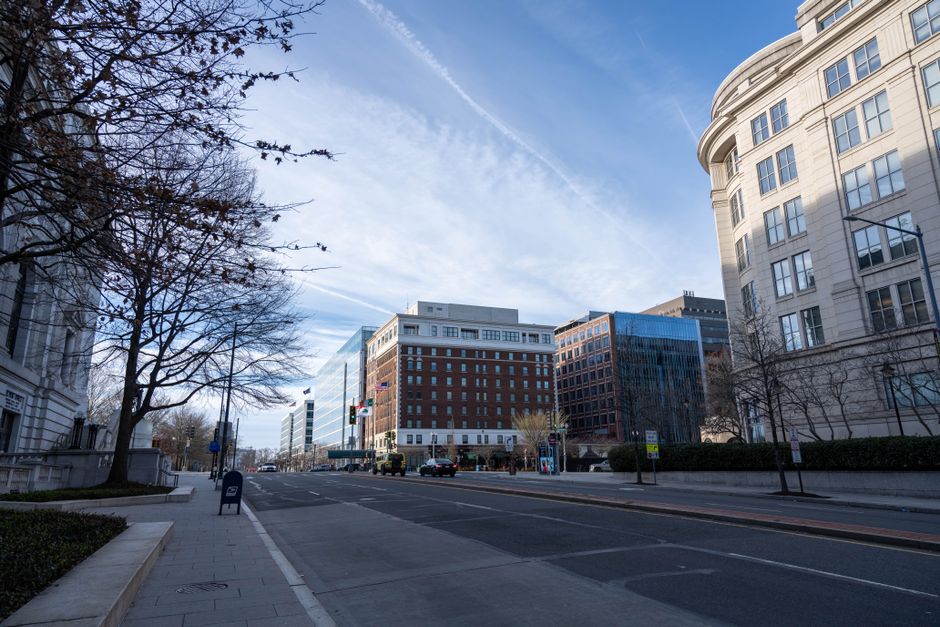
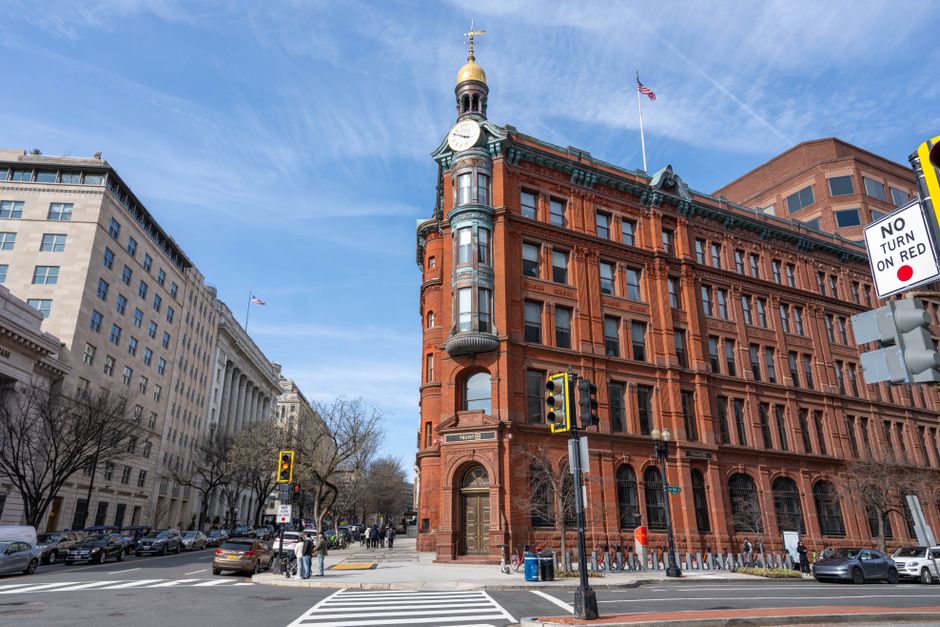
Washington DC's first-time homebuyer assistance programs have long been viewed through a social lens: help struggling buyers enter the market. But emerging data tells a more nuanced story. The numbers suggest these grants aren't just social policy—they're generating tangible economic returns that ripple through neighbourhoods from H Street to Navy Yard.
The DC Department of Housing and Community Development administers roughly $50 million annually in down payment and closing cost assistance. Recent analysis of program outcomes shows first-time buyers who received grants averaged a 12-month property value appreciation of 4.2 percent between 2024 and 2025, outpacing the citywide median of 3.1 percent. More significantly, default rates among grant recipients sit at 1.8 percent—lower than the national average for comparable income groups.
Why does this matter for investors tracking DC's market? Because these buyers stabilise neighbourhoods. In Capitol Hill, where median prices now exceed $850k, grant-assisted buyers have concentrated in emerging corridors near Eastern Market and H Street NE. Their presence—and their motivation to renovate and invest in community—creates downstream demand for services and attracts further development interest.
The mathematics are straightforward. A $40,000 grant to a buyer purchasing a $550,000 townhouse in Navy Yard shifts their equity position substantially. That buyer holds longer, maintains the property more aggressively, and generates tax revenue. Over a five-year hold, the cumulative property tax contribution alone typically exceeds the grant's face value.
Virginia suburbs tell a different story. Northern Virginia down payment programs lag DC's in generosity—most cap at $25,000—yet median prices in areas like Arlington and Alexandria now rival Capitol Hill. Buyers priced out of DC increasingly rely on construction financing and personal savings, creating a demographic shift worth monitoring.
Investors should note: grant programs aren't equally distributed. Georgetown and Foxhall, where median prices exceed $1.2 million, see minimal grant utilization. The real action concentrates where DC is actually building: H Street corridor, Petworth, and emerging pockets near the new Metro-adjacent developments. These neighbourhoods show higher grant recipient concentration—and, correspondingly, more resilient buyer profiles.
The takeaway isn't sentimental. When government down payment assistance targets neighbourhoods strategically, it creates measurable stability, consistent demand, and predictable value appreciation. For investors analysing DC's market trajectory, the grant data isn't peripheral—it's increasingly central to understanding where sustainable buyer demand actually lives.
This article was compiled by AI from the sources linked above and screened before publishing. See our editorial standards.