DC Rental Market Tightens: What Renters & Landlords Need to Know
Vacancy rates drop below 5% in DC neighborhoods while rents plateau near $2,100. Here's how tight market conditions are reshaping both tenants and landlords.
Vacancy rates drop below 5% in DC neighborhoods while rents plateau near $2,100. Here's how tight market conditions are reshaping both tenants and landlords.
The Washington DC rental market has entered a curious moment of tension. While landlords enjoyed years of rising yields and steady tenant demand, the calculus is shifting—and both sides are feeling the pressure in different ways.
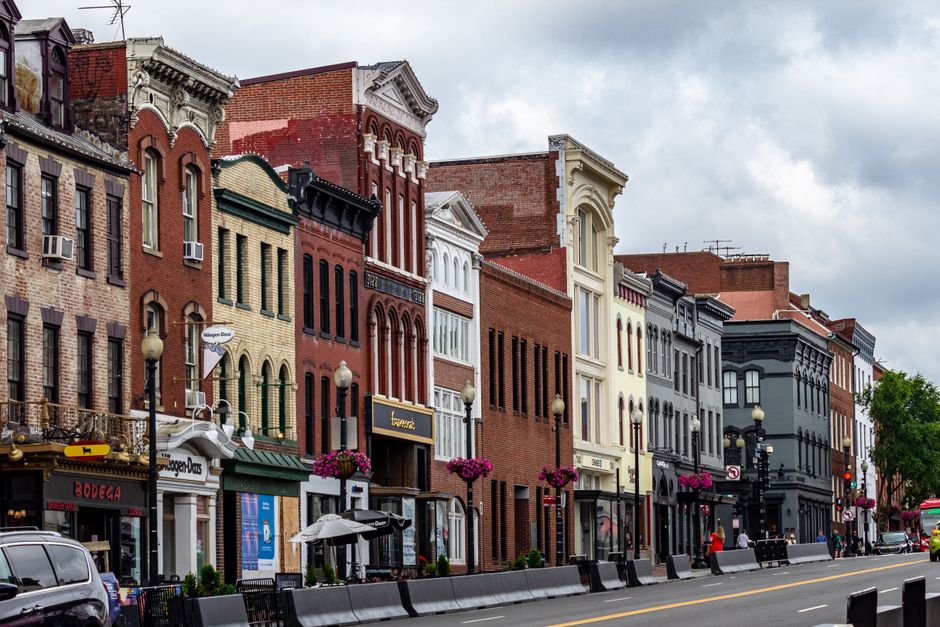
Recent data shows DC's rental market tightening considerably. Vacancy rates have dipped below 5 percent in premium neighborhoods like Capitol Hill and Georgetown, yet median rents have plateaued around $2,100 for a one-bedroom, a notable slowdown from the pandemic-era surge. For landlords who banked on perpetual growth, the plateau is sobering. Investment yields on residential properties across the city have compressed, particularly in already-premium corridors where $700,000 median home prices translate to challenging cap rates.
The transformation zones tell the story vividly. Navy Yard and H Street corridor properties, which attracted speculative investment three years ago, are now producing more modest returns than owners anticipated. A two-bedroom rental in Navy Yard averaging $2,400 monthly generates roughly 4.1 percent gross yield on a $700,000 purchase price—before vacancy, maintenance, and property taxes are factored in. Northern Virginia suburbs like Arlington and Alexandria offer slightly better yields, but competition for tenants remains fierce.
For renters, the squeeze manifests differently. While dramatic rent increases have slowed, the broader picture remains punishing. Young professionals seeking apartments near the Metro on U Street or around Union Market face limited inventory and landlords increasingly demanding higher credit scores, larger security deposits, and proof of income at 40 times monthly rent. These conditions effectively price out lower-income tenants and force existing residents into longer commutes.
Some landlords are responding strategically. Rather than chasing yield through aggressive rent hikes, sophisticated investors are focusing on operational efficiency—reducing turnover costs, investing in amenities that justify premium positioning, and refinancing before rates potentially shift again. Others are exploring alternative strategies: converting to short-term rentals on platforms that remain popular for the visiting diplomat and business traveler demographic, or holding for longer-term appreciation rather than immediate yield.
Real estate organizations like the Greater Washington DC Housing Authority and local property management associations report increased consultation requests from landlords reconsidering their strategies. Tenant advocacy groups simultaneously report mounting pressure from renters unable to afford even stabilized rents while wages stagnate.
The tension is unlikely to resolve quickly. DC's geography—constrained by water and federal land—limits new supply. That structural constraint keeps yields compressed and rents elevated, creating an uneasy equilibrium where neither landlords nor tenants feel genuinely satisfied, yet neither can escape the market's gravitational pull.
This article was compiled by AI from the sources linked above and screened before publishing. See our editorial standards.
How does this story make you feel?
Spread the word
About this article
Published by The Daily Washington DC
Daily brief
Free, in your inbox before 7am. Weekdays.
More in Property