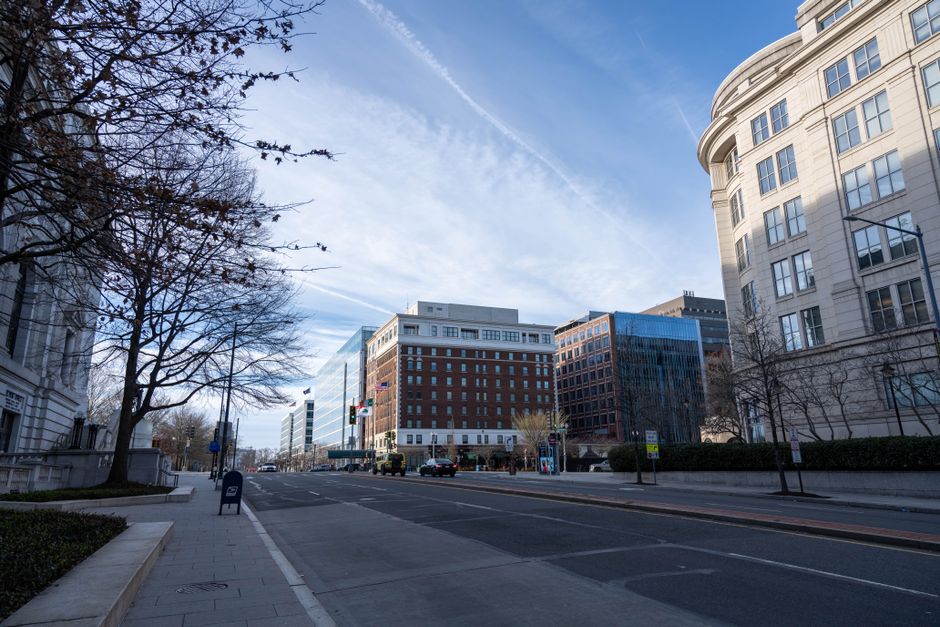
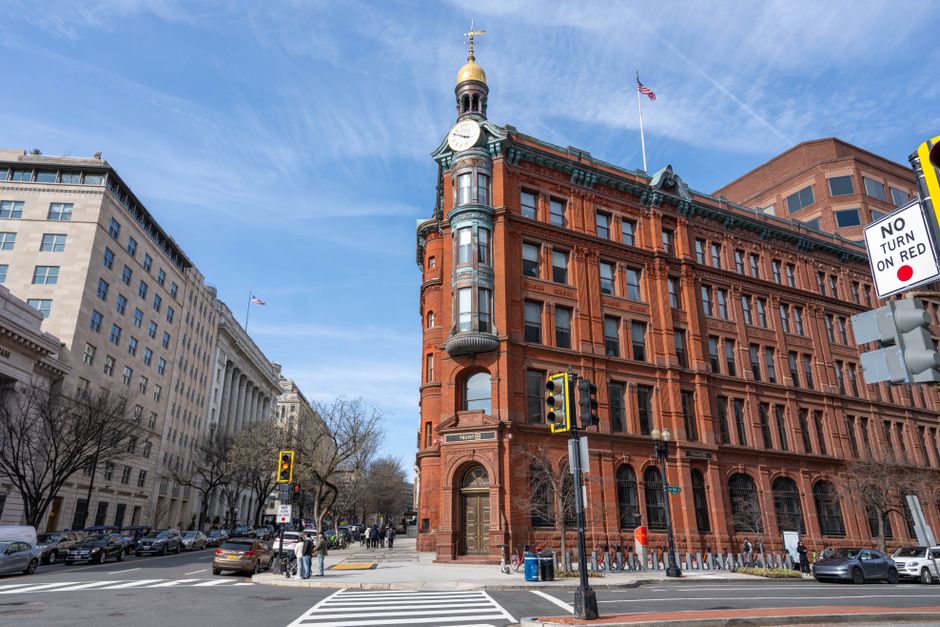
Washington DC's investment property market is caught in a peculiar squeeze. While residential prices have plateaued compared to 2022's peak frenzy, the calculus for landlords and buy-to-let investors has shifted dramatically—and not always in their favour.
The median home price in DC remains anchored around $700,000, but that headline figure masks a bifurcated market. Premium neighbourhoods like Capitol Hill and Georgetown, where Victorian townhouses regularly command $1.2 million-plus, continue to attract institutional capital and wealthy owner-occupants willing to outbid traditional rental investors. The competition for these trophy properties has effectively priced most small-scale landlords out.
The real action for yield-focused buyers has migrated to transformation zones. H Street NE and Navy Yard–Ballpark have become laboratories for the modern DC landlord. A modest two-bedroom rowhouse in Navy Yard that would have fetched $550,000 three years ago now commands $675,000—yet rental rates have only climbed 8-12 percent in the same period. That's a compression in gross yields from roughly 4.2 percent to 3.8 percent, a meaningful squeeze for investors relying on monthly cash flow.
What's driving the price appreciation, then? Three forces: First, federal employment remains sticky despite remote-work trends, underpinning demand from young professionals in nearby areas like Bloomingfield and Woodridge. Second, the Metro's Silver Line expansion into Tysons is redirecting some Northern Virginia suburban investment back toward the District, where walkability premiums remain steep. Third, foreign and institutional capital—particularly from the Northeast Corridor—continues to view DC property as a stable, liquid alternative to overheated markets.
For prospective investor-owners, the lesson is clear: traditional cap-rate arbitrage has evaporated. A property generating 3.5-4 percent gross yield before expenses, maintenance, and vacancies leaves little margin for error in a rising-rate environment. Smart money is now focusing on value-add plays—acquiring underutilised or mismanaged properties and executing focused repositioning strategies, particularly in emerging corridors like parts of Brookland or along the Anacostia waterfront.
The regulatory environment matters too. DC's rent-control regulations remain among the nation's strictest; any investor must factor in caps on annual increases (currently 5.75 percent for most units) when projecting long-term returns. That constraint alone has cooled some institutional appetite, creating pockets of opportunity for patient, local investors willing to play the long game.
For now, DC's investment market rewards those who understand its friction points—not broad-brush buyers chasing headlines.
This article was compiled by AI from the sources linked above and screened before publishing. See our editorial standards.