Washington DC's luxury real estate market has always traded on scarcity and proximity to power. But in mid-2026, savvy investors are asking a harder question: what are these $2 million-plus properties actually earning?
The answer varies sharply by neighbourhood. Properties in Georgetown, where median prices hover around $1.8 million, are capturing rental yields of 2.2 to 2.8 percent annually—respectable by coastal standards, but modest when mortgage rates remain elevated. A $2 million townhouse on P Street might generate $48,000 to $56,000 yearly, before taxes and maintenance costs that in Georgetown routinely exceed $15,000 annually.
Capitol Hill presents a different calculus. The neighbourhood's transformation has attracted institutional investors betting on longer-term appreciation rather than immediate yield. Properties along 8th Street SE and near Eastern Market have appreciated 18 percent over three years, yet rental yields sit at 2.0 to 2.4 percent—lower than Georgetown, reflecting speculative positioning by developers and funds expecting continued gentrification and future sales rather than steady income.
The real story is emerging in H Street and Navy Yard, where luxury repositioning is underway. A newly renovated $1.5 million loft near the Wharf commands 3.1 to 3.6 percent yields, substantially outpacing historic neighbourhoods. These emerging zones attract investors comfortable with neighbourhood risk in exchange for better cash-on-cash returns—a trade absent in established prestige areas.
What's changed since last year is investor sophistication about these trade-offs. The DC Building Owners and Managers Association reported in Q1 2026 that institutional capital is increasingly selective, moving away from pure appreciation plays in saturated markets like upper Georgetown toward mixed-use developments and emerging corridors offering both appreciation and yield.
Meanwhile, the broader DC luxury market has softened marginally. Sales above $3 million declined 12 percent year-over-year, according to recent market data, suggesting even trophy properties face headwinds. Sellers are adjusting expectations, though properties with strong rental fundamentals—particularly those in H Street's commercial-residential blend—remain resilient.
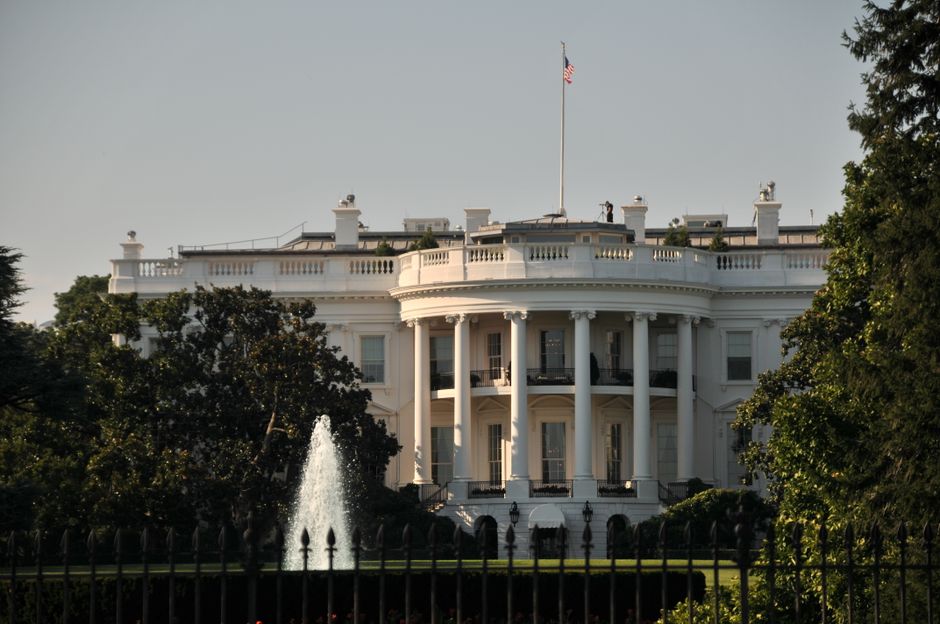
For investors, the lesson is clear: proximity to the White House no longer guarantees returns. The numbers now reward those willing to look beyond traditional prestige addresses toward neighbourhoods where yield and appreciation work in tandem. Georgetown and Capitol Hill remain safe holds, but the real opportunity set has shifted east and south.
This article was compiled by AI from the sources linked above and screened before publishing. See our editorial standards.