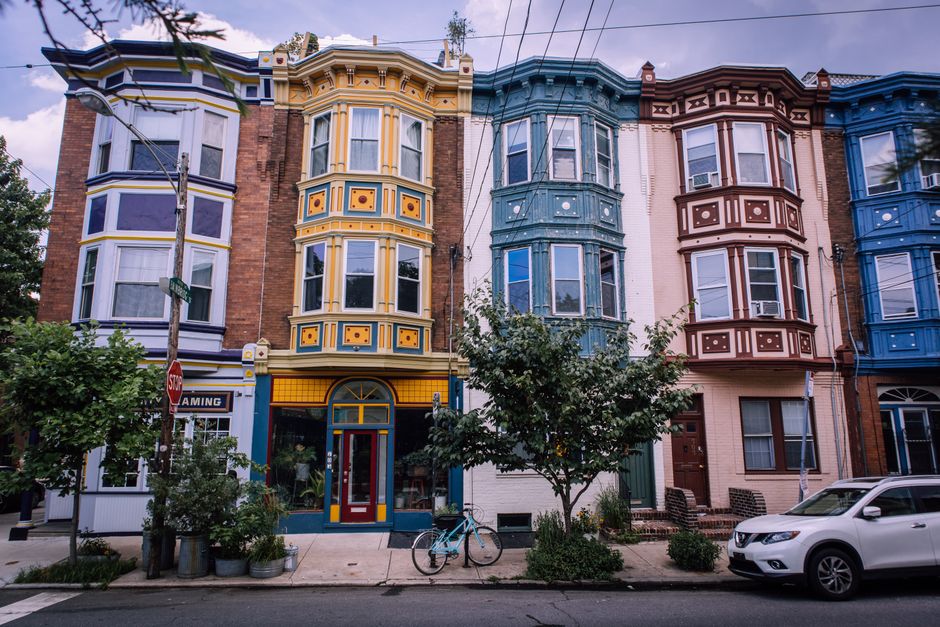
Zoning Overhaul and Historic Preservation Rules Reshape DC's Luxury Market
Policy shifts on Capitol Hill and Georgetown are redefining where the city's wealthiest buyers will invest—and at what price.
Policy shifts on Capitol Hill and Georgetown are redefining where the city's wealthiest buyers will invest—and at what price.
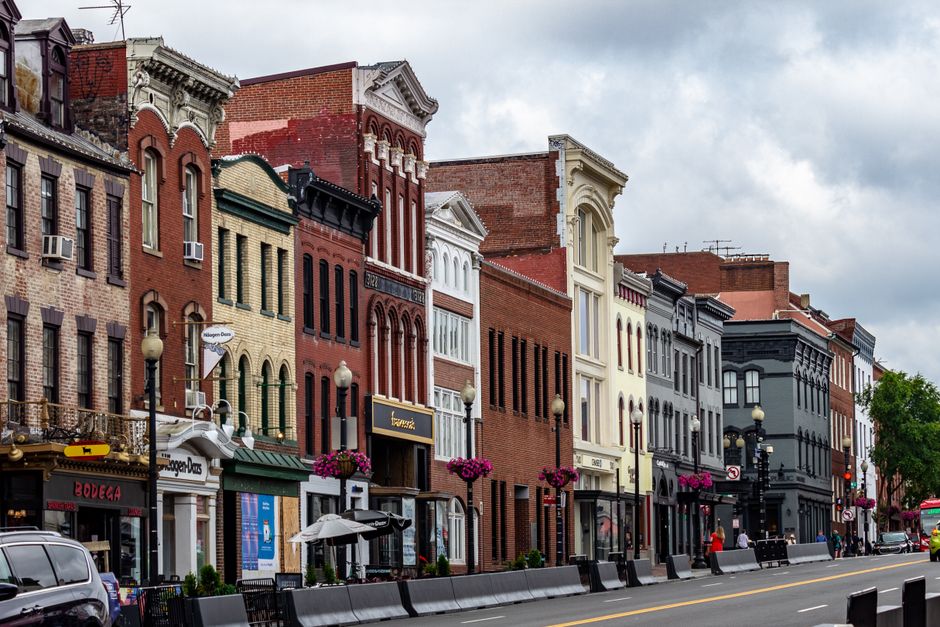
Washington DC's luxury property market has long operated within strict boundaries. But a series of planning decisions and zoning amendments implemented over the past eighteen months have fundamentally altered the calculus for high-end purchasers, reshaping neighborhoods and reshuffling billions in potential investment.
The most significant shift came when the DC Office of Planning revised density allowances in Georgetown and along the Wisconsin Avenue corridor. Previously, residential development in these premium neighborhoods was capped at heights and lot coverage that made ground-up luxury projects marginal. Under the new framework, builders can now propose mixed-use developments that blend residential, retail, and office space—opening the door to multi-unit luxury buildings that were architecturally impossible a year ago.
Market observers have already noted the impact. Properties along Prospect Street and O Street in Georgetown, traditionally valued at $1.2 to $1.8 million for single-family homes, have seen listing activity jump 34 percent since the zoning change took effect. "Developers are reassessing their land banks," said one local real estate analyst. "Parcels that were development-dead are suddenly viable."
But policy cuts both ways. The Historic Preservation Review Board tightened approval standards for exterior modifications in Capitol Hill's H Street NE corridor, a neighborhood undergoing rapid transformation. While the move protects the area's architectural character—crucial for maintaining property values—it has slowed renovation projects and deterred some high-net-worth buyers seeking move-in-ready properties. Average sale prices for historic townhouses on H Street have plateaued near $950,000, despite strong demand.
Meanwhile, Arlington and Alexandria in Northern Virginia have proven more developer-friendly. Relaxed building codes and expedited permitting have attracted luxury investors priced out of DC proper. This represents a quiet but significant shift in regional capital allocation—wealth that might once have consolidated in Georgetown is now dispersing westward.
The DC median property price remains at approximately $700,000, but the luxury tier above $2 million is experiencing unprecedented volatility tied directly to regulatory change. Properties in Kalorama, traditionally insulated from market fluctuations, have seen three major sales stall this year due to zoning uncertainty for adjacent development sites.
As DC's comprehensive plan undergoes its decennial revision, the city faces a critical choice: continue tightening controls on development to preserve neighborhood character, or liberalize zoning to accommodate the demand from ultra-high-net-worth buyers willing to pay premium prices. The answer will determine not just where the wealthy choose to buy, but how much they'll pay to do it.
This article was compiled by AI from the sources linked above and screened before publishing. See our editorial standards.
How does this story make you feel?
Spread the word
About this article
Published by The Daily Washington DC
Daily brief
Free, in your inbox before 7am. Weekdays.
More in Property