Brightwood Park emerges as DC's unexpected affordable housing investment hotspot
As Capitol Hill prices soar past $1m, developers and nonprofits are betting big on Northwest DC's overlooked neighbourhood—and early signs suggest they're right.
As Capitol Hill prices soar past $1m, developers and nonprofits are betting big on Northwest DC's overlooked neighbourhood—and early signs suggest they're right.
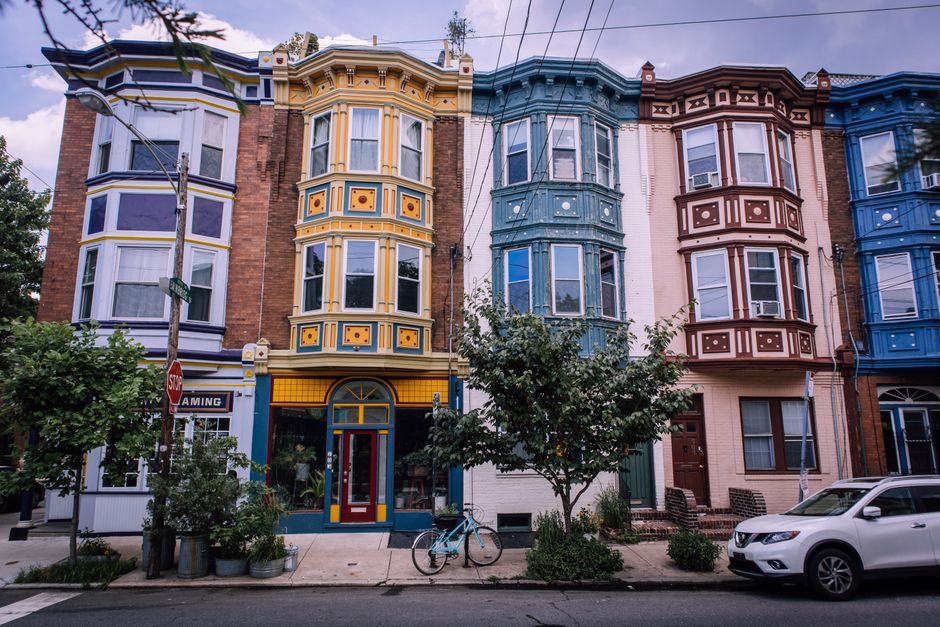
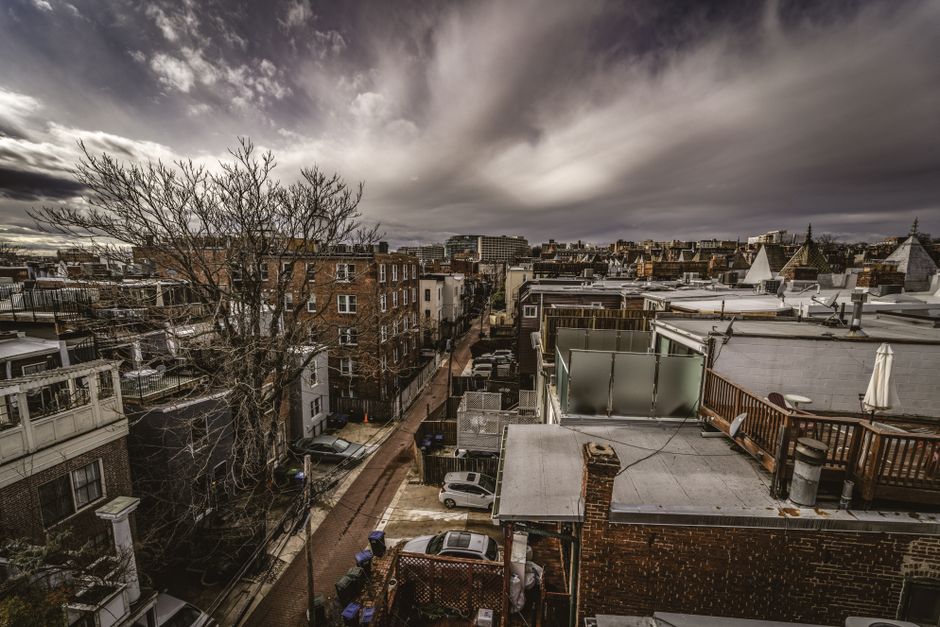
For years, Brightwood Park lived in the shadow of its trendier neighbours. While H Street and Navy Yard captured headlines and Georgetown commanded premium rents, this Northwest DC neighbourhood remained relatively quiet, with median home prices hovering around $480,000—a full 30% below the city's $700,000 median.
That's changing fast. Over the past 18 months, a constellation of affordable housing developments, community land trusts, and mixed-income projects have quietly repositioned Brightwood Park as one of the region's most compelling investment opportunities for both mission-driven developers and pragmatic builders.
The catalyst has been structural. The neighbourhood's existing stock—predominantly modest row houses and small apartment buildings along Georgia Avenue and surrounding blocks—offers precisely the kind of underutilised real estate that housing advocates and investors can work with. Unlike Capitol Hill, where teardowns exceed $2m, or Georgetown's stratospheric rents, Brightwood Park's bones are sound but its bones are affordable.
The Brightwood Park Community Development Corporation has been instrumental, partnering with developers on projects that lock in affordability for 40 to 60 years. Meanwhile, the Community Land Trust model—where the trust retains ownership of land while residents own structures—has begun gaining traction here, creating permanent affordability mechanisms that even rising neighbourhoods can't entirely erode.
Recent developments tell the story. The ongoing renovation of the historic Moorland-Spingarn Research Center vicinity has sparked investor interest in adjacent blocks. Simultaneously, the DC Department of Housing and Community Development has identified Brightwood Park as a priority zone for inclusionary zoning incentives, effectively subsidising developers who include affordable units in new construction.
"The fundamentals are there," explains one local nonprofit housing director—transit access via the Georgia Avenue corridor, proximity to Howard University, walkable neighbourhood retail along Kennedy Street and Kansas Avenue. "Investors are pricing in what hasn't happened yet, but could."
For comparison: a two-bedroom rowhouse in Brightwood Park that sold for $395,000 in 2023 would cost $520,000 in Capitol Hill today. That 30% price premium has created breathing room for affordable housing models that wouldn't survive in more expensive quadrants.
The neighbourhood isn't without challenges—crime concerns, school performance metrics—but the convergence of available land, supportive policy, and genuine community leadership has created momentum. As DC's median continues climbing, Brightwood Park represents something increasingly rare: opportunity for both residents and investors seeking sustainable, long-term gains.
This article was compiled by AI from the sources linked above and screened before publishing. See our editorial standards.
How does this story make you feel?
Spread the word
About this article
Published by The Daily Washington DC
Daily brief
Free, in your inbox before 7am. Weekdays.
More in Property