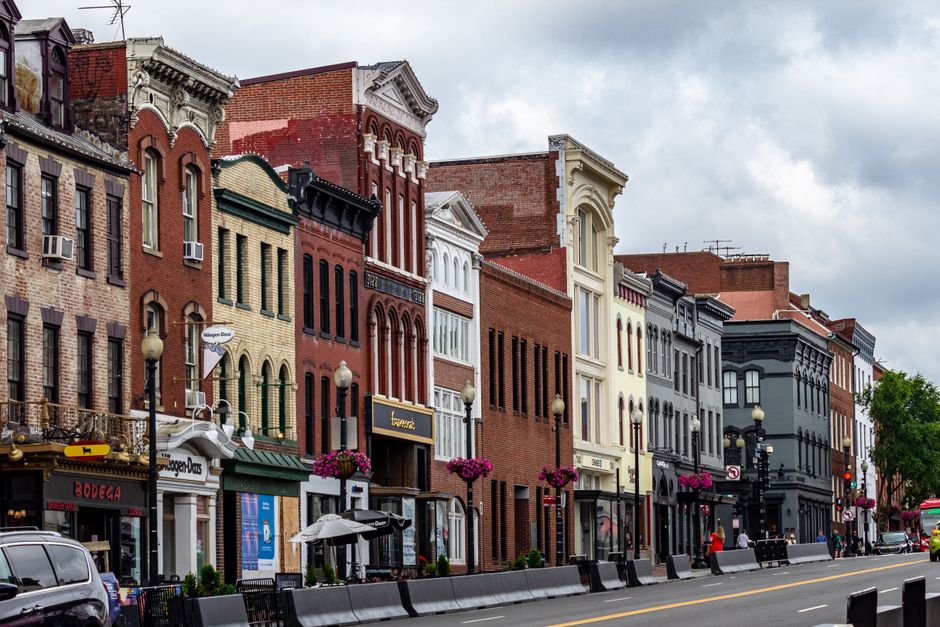
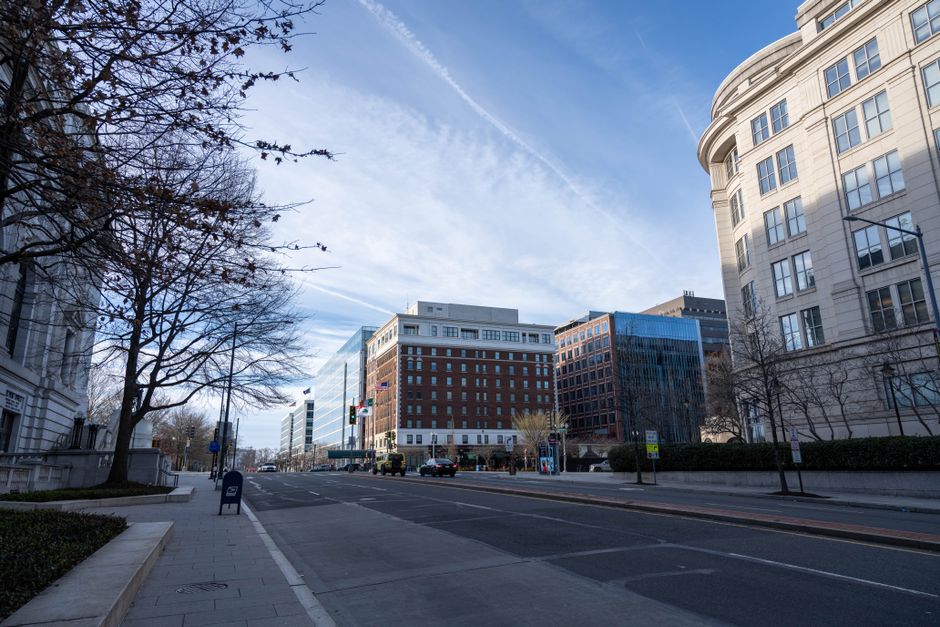
Washington DC's property market is in flux. While established neighbourhoods like Capitol Hill and Georgetown command premiums exceeding $1 million for comparable units, first-time buyers increasingly find opportunity in emerging districts where new construction is accelerating—but navigating approvals and timelines requires strategy.
The District's development approval process moves deliberately. The DC Office of Planning reviews new projects through multiple phases: initial concept review, full design review by the Historic Preservation Review Board (if applicable), and community input sessions. For projects on or near historic districts—which cover substantial portions of central DC—expect 12–18 months from concept to groundbreaking. This slow-motion approval system means that projects approved two years ago are only now breaking ground.
H Street NE and Navy Yard-Ballpark offer instructive case studies. H Street's revitalisation has attracted mixed-use developments combining ground-floor retail with residential units above. New construction here typically ranges $450k–$650k for one-bedrooms, undercutting Capitol Hill by 20–30 percent. Navy Yard's waterfront location and proximity to the Anacostia River has spurred apartment complexes and townhomes, with two-bedrooms averaging $700k–$850k. Both neighbourhoods benefit from Metro access and ongoing infrastructure investment, making them attractive for first-timers willing to accept younger buildings over the established character of Georgetown or Dupont Circle.
First-time buyers should understand the approval calendar. The DC Board of Zoning Adjustment (BZA) publishes hearing schedules quarterly. Monitoring these—available via dc.gov—helps identify which projects are progressing toward construction. Approved developments occasionally stall due to financing or market conditions, so checking the DC Department of Buildings' permit database reveals which projects have actually begun.
Neighbourhood stability matters alongside newness. While new construction offers modern amenities and energy efficiency, established areas like Capitol Hill command premiums because infrastructure, schools, and retail are proven. First-timers should weigh the trade-off: accept a newer building in a transitioning neighbourhood (H Street, Petworth), or stretch the budget for established character (Georgetown, Woodley Park).
Northern Virginia suburbs—Arlington, Alexandria—present alternatives where new construction approval timelines are often shorter and prices more moderate, though you sacrifice urban walkability. For those committed to DC proper, tracking the zoning calendar and understanding which neighbourhoods have pipeline projects filters realistic options from speculation.
The median DC price of $700k remains daunting for first-timers. New construction in emerging zones offers a practical entry point, provided you accept that approval delays mean groundbreaking often lags headlines by years.
This article was compiled by AI from the sources linked above and screened before publishing. See our editorial standards.