Zoning Wins and Losses: How DC's Planning Decisions Are Reshaping Investment Maps
Recent policy shifts on density, height restrictions, and transit corridors are creating unexpected winners and losers across the region's submarkets.
Recent policy shifts on density, height restrictions, and transit corridors are creating unexpected winners and losers across the region's submarkets.
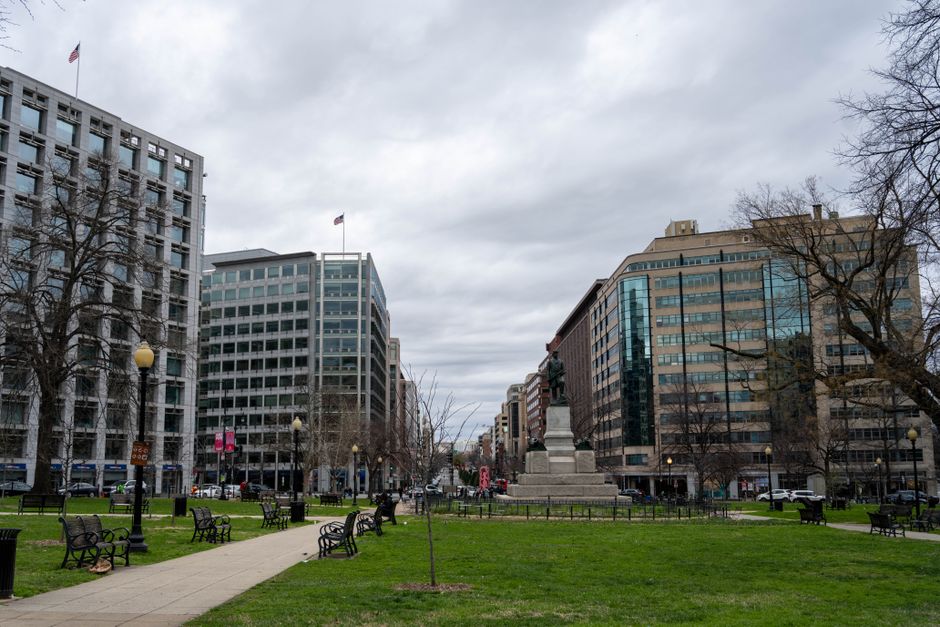
Washington DC's property investment landscape is being redrawn not by market forces alone, but by the decisions made in planning offices and at city council hearings. The latest zoning amendments and comprehensive plan updates are proving that where you buy matters less than what the city decides to allow around it.
Take the H Street corridor's recent transformation. When the city approved mixed-use density increases and relaxed parking requirements along the Northeast spine in 2024, investors watching from Capitol Hill took notice. Properties within a quarter-mile of the H Street-Benning Road Metro station—previously overlooked at $650,000 to $750,000 for older row houses—are now commanding premiums. Developers have filed seventeen new projects in the neighbourhood since the zoning shift, signalling confidence that transit-oriented policy will drive foot traffic and rents for decades.
But policy changes cut both ways. Northern Virginia suburbs are feeling the sting of Virginia's stricter proffers requirements and impact fee regulations introduced last year. Loudoun County's new transit corridor overlay zone sounded progressive—until developers realised the mandatory affordable housing set-asides reduced project economics by 12 to 15 percent. Properties in Reston near the Dulles Metro, which sold at $580,000 to $620,000 in 2024, have stalled. Investors who banked on Virginia's business-friendly reputation are reassessing.
Georgetown presents a different challenge. The neighbourhood's rigid historic preservation overlay and height restrictions—which cap most new construction at 90 feet—have made new supply nearly impossible. This artificial scarcity is working in existing property owners' favour, with median prices holding near $1.2 million despite DC's overall market cooling. But younger investors priced out of Georgetown are moving capital east to Anacostia, where the recently approved Comprehensive Plan Update loosens restrictions around the Navy Yard Metro station. New office-to-residential conversions are underway on Half Street.
The most consequential policy shift may be the city's June 2025 elimination of parking minimums across the District. Navy Yard, which has seen fifteen new residential projects since the change, illustrates the impact: developers saving $10,000 to $15,000 per unit on construction costs are passing savings to buyers, pushing median prices toward $680,000—below the city average and attractive to first-time buyers.
For investors, the lesson is clear: watch the planning department, not just the listings. The next zoning amendment, overlay district, or comprehensive plan update may unlock—or lock down—your neighbourhood's appreciation potential.
This article was compiled by AI from the sources linked above and screened before publishing. See our editorial standards.
How does this story make you feel?
Spread the word
About this article
Published by The Daily Washington DC
Daily brief
Free, in your inbox before 7am. Weekdays.
More in Property