New Construction in DC: A First-Time Buyer's Map Through the Approval Maze
With hundreds of projects in the pipeline across transforming neighborhoods, here's how to navigate pre-construction opportunities before prices climb further.
With hundreds of projects in the pipeline across transforming neighborhoods, here's how to navigate pre-construction opportunities before prices climb further.
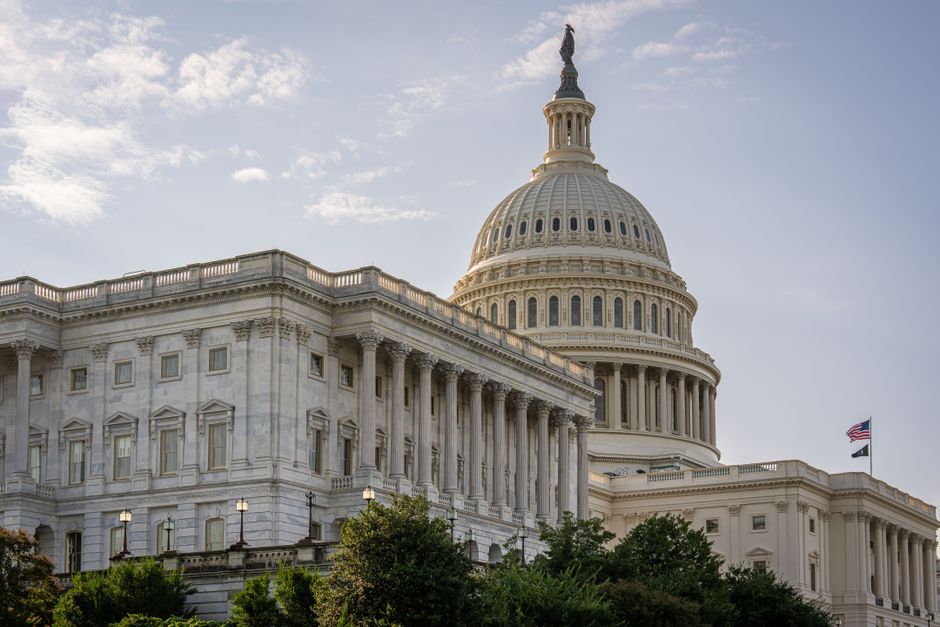
Washington DC's construction calendar is packed. From Navy Yard's waterfront towers to H Street's mixed-use developments, first-time buyers face an unprecedented menu of new options—but also a bewildering approval process that can make or break a purchase decision.
The median DC home price hovers near $700,000, with Capitol Hill and Georgetown commanding premiums that push past $1 million. Yet emerging corridors like H Street NE and the Anacostia waterfront offer newcomers entry points into new construction at lower price points, typically $500,000 to $750,000 for one and two-bedroom units. Understanding which projects are genuinely moving forward versus stuck in regulatory limbo is crucial.
The DC Office of the Zoning Administrator and ANC (Advisory Neighborhood Commission) hearings are where deals live and die. Projects require not just building permits but community buy-in. First-time buyers should check the DC Department of Energy and Environment's online project tracker before committing. A development approved by ANC-6D (Capitol Hill) in 2024 may still face appeals or redesigns; meanwhile, Navy Yard projects moving through the DC Housing Authority tend to advance faster.
Northern Virginia suburbs—Arlington and Alexandria particularly—have streamlined approval processes that can mean faster occupancy. New construction there ranges from $600,000 to $900,000, with less community opposition than DC's neighborhood-by-neighborhood politics.
For DC buyers, proximity to Metro matters enormously in new construction. The forthcoming developments along the Green Line extension and near Union Market on H Street NE appeal partly because they're transit-adjacent. These typically start at $450,000 but carry contingencies: Phase 2 occupancy dates slip regularly, and interest rates between approval and move-in can shift your financing entirely.
New construction does offer advantages first-timers shouldn't overlook. Builder warranties, modern systems, no hidden structural surprises, and often favorable financing incentives (some developers buy down rates) offset the waiting. But a project approved in 2022 might not break ground until 2027. That's a four-year holding pattern on your deposit.
The golden rule: Never rely on a developer's timeline alone. Request municipal records through FOIA, attend ANC meetings, and ask your agent for the project's current approval status and any pending litigation. Navy Yard's boom is partly because projects there had clearer paths forward. H Street's growth is real but patchier—some blocks leap ahead while adjacent ones wait years.
The DC construction market rewards patient, informed buyers. Start with the ZAP database, narrow to neighborhoods with active Phase 1 occupancies, then compare against established neighborhoods' resale prices. You'll quickly spot where genuine value lies versus hype.
This article was compiled by AI from the sources linked above and screened before publishing. See our editorial standards.
How does this story make you feel?
Spread the word
About this article
Published by The Daily Washington DC
Daily brief
Free, in your inbox before 7am. Weekdays.
More in Property