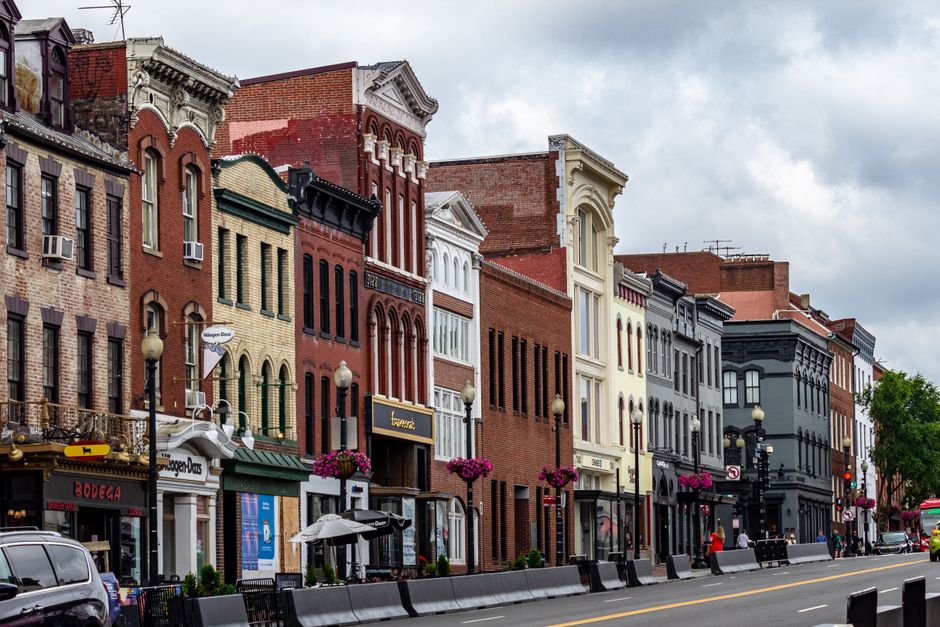
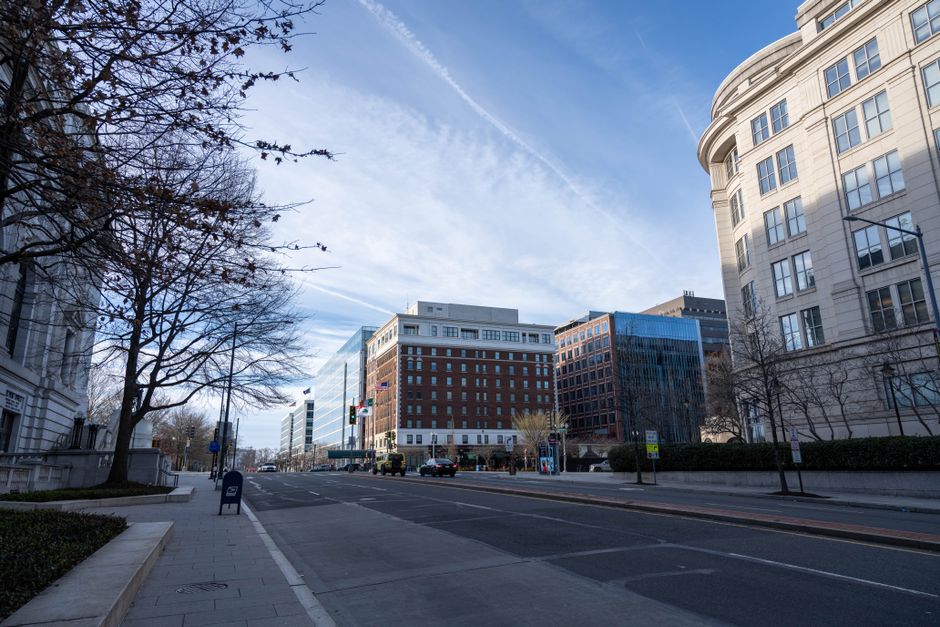
Washington's luxury property market has long orbited around Capitol Hill's Federal townhouses and Georgetown's tree-lined estates. But the emergence of transformative development projects—particularly along the Southwest Waterfront, in Navy Yard, and across the H Street corridor—is fundamentally rewiring where the city's wealthiest residents see themselves living.
The numbers tell the story. While the broader DC median hovers around $700,000, new luxury developments are commanding unit prices between $2.8 million and $5 million, with penthouses approaching $10 million. Projects like the Wharf Phase 2 and ambitious mixed-use complexes in Navy Yard-Ballpark are attracting capital that might have previously been routed exclusively toward established neighbourhoods.
What's driving this shift? Infrastructure. The opening of the Silver Line extension to Dulles, combined with Metrorail access improvements in Navy Yard and the completion of the Wharf's public promenade, has made previously peripheral locations genuinely competitive. Developers are banking on proximity to the Potomac River waterfront and emerging restaurant-and-culture ecosystems to justify price premiums that rival—and sometimes exceed—Capitol Hill pricing.
"The ultra-luxury buyer today isn't just buying heritage and proximity to power," explains the calculus evident in current market movements. "They're buying lifestyle and investment potential." New developments in these areas typically include five-star amenities—rooftop pools, private restaurants, wellness centres—that traditional neighbourhoods cannot retrofit.
For established markets, the implications are real. Georgetown's median price growth has plateaued near $1.2 million, while new Navy Yard condominiums are selling out within months at comparable price points but with modern infrastructure. Capital Hill's premium remains, yet younger wealth—including tech entrepreneurs and venture capital founders—are increasingly choosing waterfront addresses over historic pedigree.
The H Street corridor presents a particularly intriguing case. Once dismissed as secondary, the intersection of new development, increased nightlife, and improved connectivity to Downtown DC has attracted major institutional money. Projects here are anchoring the neighbourhood's transformation from bohemian fringe to bona fide luxury address.
What this signals for the market: DC's luxury geography is becoming less about neighbourhood legend and more about architectural moment. These new developments are not simply adding housing; they're creating entirely new status narratives within the city. For investors and high-net-worth individuals, that distinction may prove far more valuable than a 150-year-old address.
The next two years will be decisive. If these projects deliver on their lifestyle promises, they'll fundamentally redefine where DC's prestige lives.
This article was compiled by AI from the sources linked above and screened before publishing. See our editorial standards.