First-Time Landlords in DC: A Practical Guide to Investment Property Yields in Today's Market
With median home prices hovering around $700k, new investors need smart strategies to unlock returns in Capitol Hill, H Street, and beyond.
With median home prices hovering around $700k, new investors need smart strategies to unlock returns in Capitol Hill, H Street, and beyond.
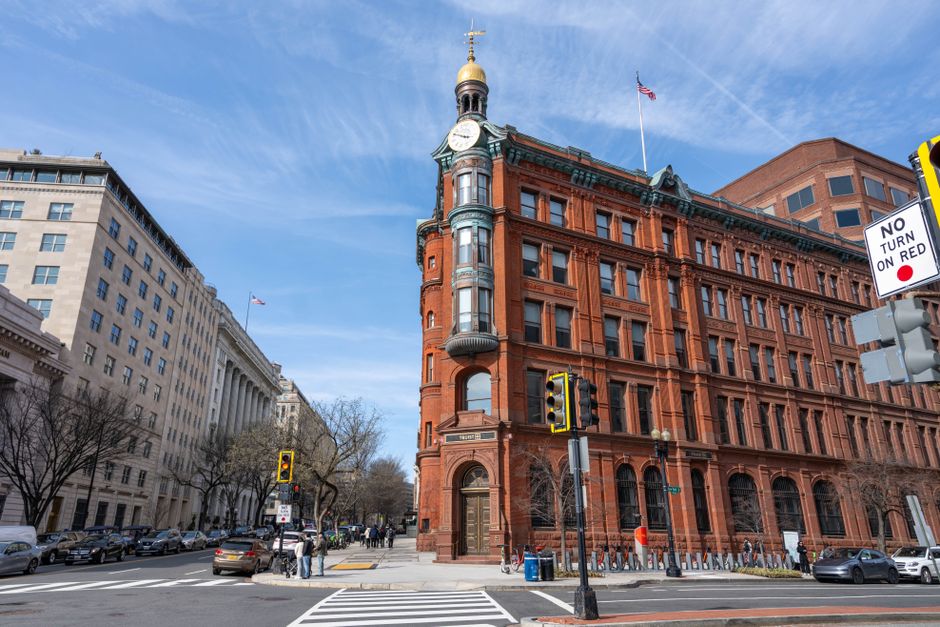
Washington DC's property market presents a paradox for first-time investment buyers: high entry costs paired with genuine yield potential, especially in neighbourhoods undergoing significant transformation. Understanding how to navigate this landscape requires realistic expectations and neighbourhood-specific knowledge.
The fundamentals matter most. DC's median price of $700,000 means most novice landlords cannot compete in established premium markets like Georgetown or Capitol Hill's core, where investor competition is fierce and rental yields hover around 3-4 percent annually. Instead, savvy first-timers are targeting emerging corridors. H Street NE and the Navy Yard-Ballpark areas offer younger rental demographics, stronger tenant demand, and yields approaching 5-6 percent—meaningful differentials that compound over time.
Northern Virginia suburbs present another strategic avenue. Arlington and Alexandria maintain slightly lower entry prices while capturing DC spillover demand, particularly among young professionals unable to afford Capitol Hill but working downtown. A modest two-bedroom in Del Ray or near Crystal City can generate steadier cash flow than premium DC addresses, albeit with longer commutes factored into tenant expectations.
First-time landlords should prioritize three operational realities. First, budget aggressively for maintenance and vacancy. DC's tenant protections—among the nation's strongest—mean evictions are lengthy and costly. Set aside 10-15 percent of rental income for repairs, property management, and anticipated gaps between tenants. Second, understand local rent-control implications. While DC's rent ceiling (3-10 percent annually depending on inflation) is manageable, it shapes long-term yield calculations differently than suburban Maryland or Virginia. Third, tax implications matter enormously. Consult a DC-based accountant familiar with investor depreciation schedules and 1031 exchanges before purchasing.
Location selection should weigh transit proximity heavily. Properties near Metro stations—whether Van Ness-UDC, Stadium-Armory, or the Orange Line in Virginia—command premium rents and retain value more reliably. Walkability to restaurants, retail, and entertainment corridors like H Street or Barracks Row attracts stable, higher-income tenants willing to pay above-median rents.
Finally, resist chasing headlines about celebrity investments or speculative flips. DC's fundamentals remain sound: government employment stability, limited housing supply, and consistent population growth support long-term appreciation. First-time investors succeed by treating properties as income vehicles first, appreciating assets second, and avoiding overleveraging in a market where median prices already demand substantial capital.
The market rewards patience and local knowledge. Start modest, build equity deliberately, and let compound returns work across multiple properties rather than gambling on a single transformational neighbourhood.
This article was compiled by AI from the sources linked above and screened before publishing. See our editorial standards.
How does this story make you feel?
Spread the word
About this article
Published by The Daily Washington DC
Daily brief
Free, in your inbox before 7am. Weekdays.
More in Property