First-Time Buyers' Playbook: Navigating DC's $700K Median Market
With prices holding firm and competition fierce, here's how newcomers can find their foothold in Washington's evolving neighborhoods.
With prices holding firm and competition fierce, here's how newcomers can find their foothold in Washington's evolving neighborhoods.
The Washington DC housing market remains unforgiving for first-time buyers. With the median home price hovering around $700,000, many newcomers are being priced out of established neighborhoods like Georgetown and Capitol Hill—or forced to stretch their budgets beyond comfort. But the city's transformation is creating pockets of opportunity for savvy buyers willing to look beyond traditional boundaries.
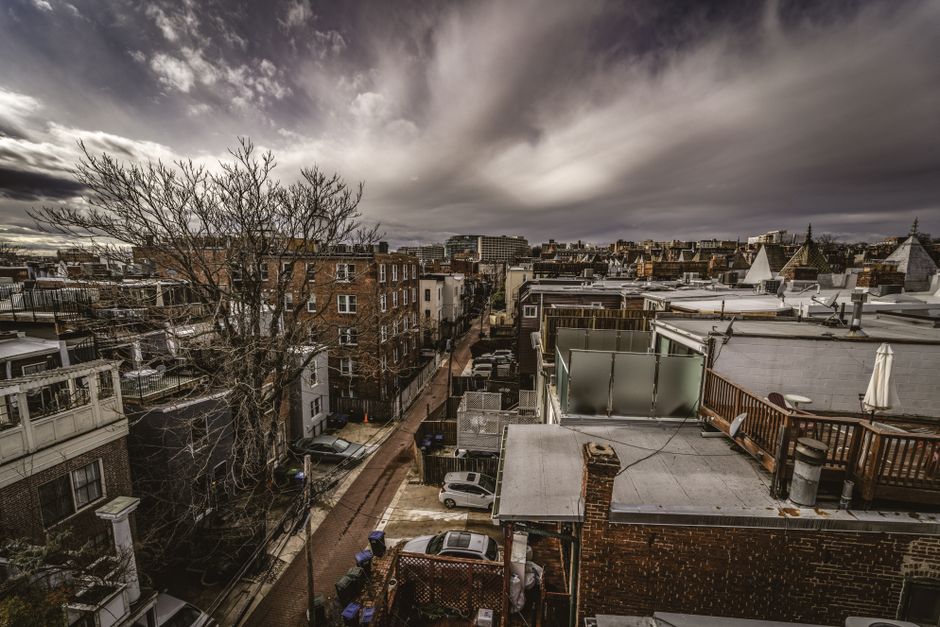
The shift toward emerging neighborhoods offers the clearest path for first-time entrants. H Street NE continues its remarkable evolution, with younger professionals finding more attainable options than in surrounding Dupont Circle. Navy Yard-Ballpark remains attractive for buyers seeking walkable urban living with slightly lower price points than established Northwest corridors. Brookland, increasingly served by the Metro's Red Line, appeals to buyers willing to venture further northeast in exchange for more square footage.
Northern Virginia suburbs remain competitive but rational. Arlington and Alexandria still command premiums, yet neighborhoods along the Orange and Silver Lines—particularly Falls Church and areas near Ballston—offer better value propositions than comparable DC properties. The commute to downtown has become acceptable for many younger professionals working hybrid schedules.
Securing financing in today's environment requires preparation. First-time buyer programs through organizations like Enterprise Community Partners and local credit unions can reduce down payment requirements. DC's First Right to Purchase initiative gives renters in certain buildings priority purchasing opportunities—a uniquely local advantage worth exploring.
Budget discipline matters more now than ever. Buyers approved for $600,000 shouldn't assume they should spend it. Property taxes, homeowners insurance, and DC's aggressive homeowner assessment practices can inflate monthly costs by 30-40% beyond mortgage payments. Calculating true affordability prevents post-purchase regret.
Market timing remains speculative, but current conditions favor informed buyers. Rates have stabilized, and inventory—while competitive—isn't as frenzied as 2021-2022. Multiple-offer situations still occur on desirable properties, but realistic pricing attracts fewer bidders.
The critical strategy: define your priorities ruthlessly. Walkability to Metro? Specific school district? Home office space? New construction or character? Prioritization eliminates emotional decision-making. A modest rowhouse on H Street NE might serve your needs better than overextending for Georgetown square footage.
Washington's housing market rewards discipline and flexibility. First-time buyers who embrace emerging neighborhoods, understand their true financial capacity, and resist comparison-driven decisions often find sustainable homes—not just property investments.
This article was compiled by AI from the sources linked above and screened before publishing. See our editorial standards.
How does this story make you feel?
Spread the word
About this article
Published by The Daily Washington DC
Daily brief
Free, in your inbox before 7am. Weekdays.
More in Property