Tight Supply, Rising Costs: How DC's Shifting Rental Market Is Reshaping Life for Both Tenants and Landlords
With vacancy rates hovering near historic lows, Washington's rental landscape is creating winners and losers on both sides of the lease.
With vacancy rates hovering near historic lows, Washington's rental landscape is creating winners and losers on both sides of the lease.
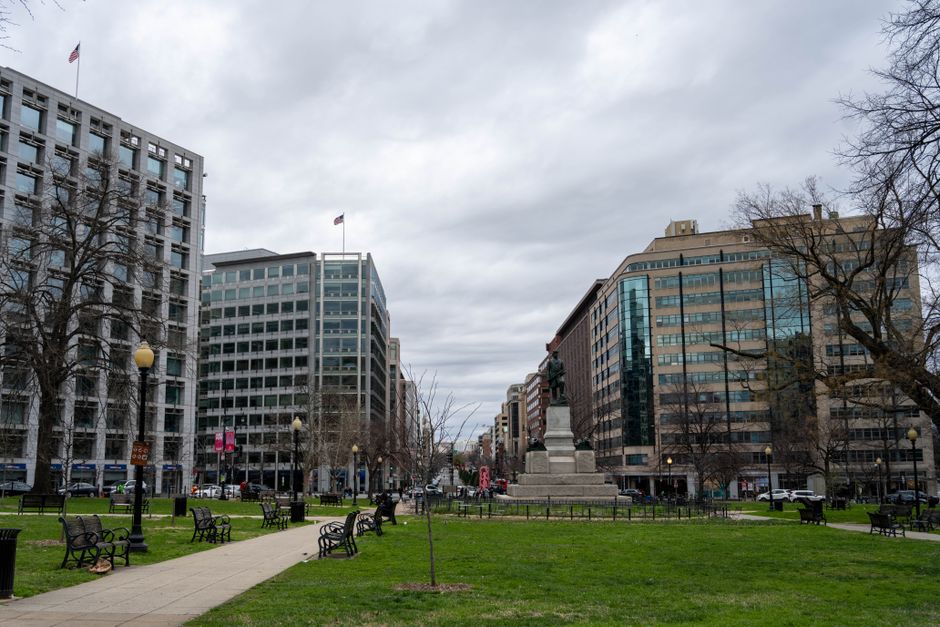
Washington DC's rental market is tightening faster than anyone predicted, and the consequences are rippling through neighbourhoods from Dupont Circle to Navy Yard-Ballpark. With vacancy rates stuck below 3 per cent—well below the 5-6 per cent threshold typically considered balanced—tenants face unprecedented competition for units while landlords enjoy newfound negotiating power that hasn't been seen in nearly a decade.
The squeeze is most acute along H Street NE, where warehouses-turned-apartments have fuelled demand among young professionals. A one-bedroom in the rapidly developing corridor now averages $2,100 monthly, up nearly 8 per cent year-on-year. Similar pressures grip Navy Yard and the emerging tech hub around Buzzard Point, where availability has effectively evaporated. Prospective renters report bidding wars, application fees topping $100, and landlords demanding proof of income at 3.5 times monthly rent—a threshold that excludes many service workers despite DC's thriving hospitality sector.
For landlords, the current environment offers relief after years of regulatory pressure and modest returns. The DC Office of the Tenant Advocate has expanded enforcement, pushing owners toward maintenance standards that cost thousands annually. Yet robust demand is offsetting those pressures. Small-scale landlords—particularly those holding properties in less competitive areas like Congress Heights or along the Anacostia corridor—report longer lease terms and faster turnover, reducing vacancy costs.
But the market's bifurcation deserves scrutiny. While Georgetown and Capitol Hill command premium rents above $2,500 for comparable units, outer neighbourhoods struggle to attract investment, widening the city's rental inequality. The Metropolitan Washington Council of Governments projects continued in-migration will worsen conditions through 2027, potentially pricing out the teachers, nurses, and hospitality workers who sustain the city's service economy.
Local advocacy organisations are sounding alarms. The DC Tenants Union and community development organisations in Ward 7 and 8 warn that without policy intervention—expanded rent control, streamlined affordable housing development, or inclusionary zoning enforcement—displacement will accelerate. Meanwhile, some landlords counter that regulatory burden discourages new construction, exacerbating supply shortages.
The rental crisis isn't theoretical anymore. It's reshaping where people live, who can afford to stay, and which neighbourhoods thrive. For tenants, the message is clear: move fast or pay more. For landlords, it's an unlikely windfall that may not last.
This article was compiled by AI from the sources linked above and screened before publishing. See our editorial standards.
How does this story make you feel?
Spread the word
About this article
Published by The Daily Washington DC
Daily brief
Free, in your inbox before 7am. Weekdays.
More in Property