Capitol Hill to Columbia Heights: What's Actually Driving DC Neighbourhood Prices Right Now
As the market stabilises at $700k median, smart investors are moving beyond Georgetown—here's where prices are climbing and why.
As the market stabilises at $700k median, smart investors are moving beyond Georgetown—here's where prices are climbing and why.
Washington DC's property market is telling a story of geographic redistribution. While Capitol Hill and Georgetown remain the prestige addresses, savvy buyers are discovering that the real momentum isn't in established premium zones—it's in the neighbourhoods actively transforming their street-level appeal.
H Street NE has become exhibit A. Once a thoroughfare of vacant storefronts, the corridor between Union Market and the Atlas District is now anchored by serious commercial investment. New restaurants, bars, and the freshly revived Lincoln Theatre have created foot traffic that translates directly to property values. Residential units above mixed-use developments are commanding $500k-plus for one-bedrooms, a 15-20% premium over five years ago. Buyers aren't just purchasing square footage here; they're betting on neighbourhood maturity.
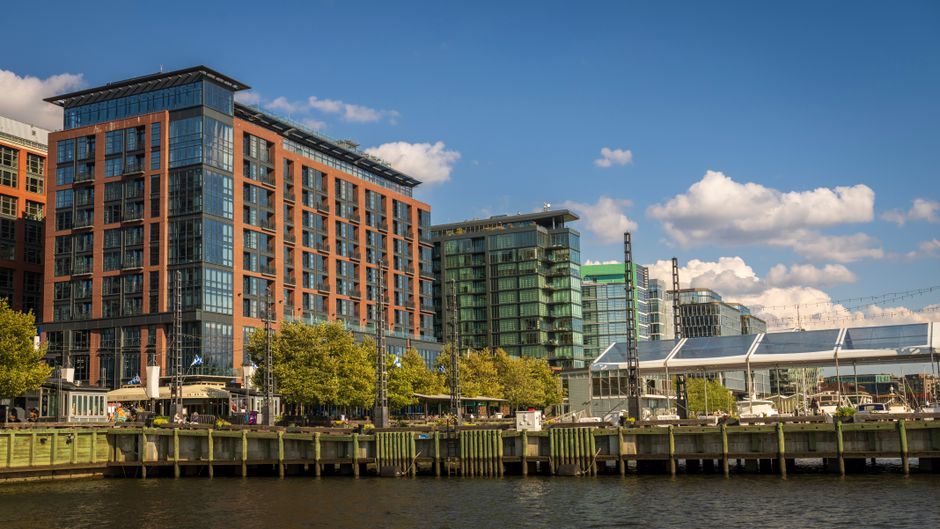
Navy Yard-Ballpark presents a different calculus. The waterfront development near the Nationals stadium continues attracting young professionals willing to trade proximity to downtown for newer construction and amenities. While the median price ($620k) sits below DC's overall average, the trajectory matters more than the current number. Construction isn't stopping—the second and third phases will define whether this becomes a permanent lifestyle draw or a development bubble.
Meanwhile, traditional suburbs are fragmenting by school district and commute time. Arlington's corridor near the Rosslyn-Ballston metro line remains expensive ($850k+), but Columbia Heights—technically DC but with a suburban feel—is increasingly attractive to families priced out of Capitol Hill. The renovation of the Columbia Heights Community Centre and proximity to Rock Creek Park have shifted perception. Homes that would have been overlooked two years ago are now generating multiple offers.
What buyers genuinely need to know: timing matters less than location logic. The $700k median masks massive variation. A brownstone on Capitol Hill's 7th Street SE differs fundamentally from a condo in Navy Yard—not just in price, but in what's driving appreciation. Georgetown remains stable precisely because it's already arrived; H Street is moving because it's arriving.
Interest rates have settled at levels that favour longer-hold investors over flippers. This means neighbourhoods with genuine urban amenities—good schools, restaurant culture, walkability—are outperforming speculation-driven markets. The smart move isn't chasing the cheapest option; it's identifying where the actual infrastructure investment is happening, then moving before it's reflected in the asking price.
By that measure, the window on H Street and mid-tier Ballpark pricing isn't closed. But it's narrowing.
This article was compiled by AI from the sources linked above and screened before publishing. See our editorial standards.
How does this story make you feel?
Spread the word
About this article
Published by The Daily Washington DC
Daily brief
Free, in your inbox before 7am. Weekdays.
More in Property