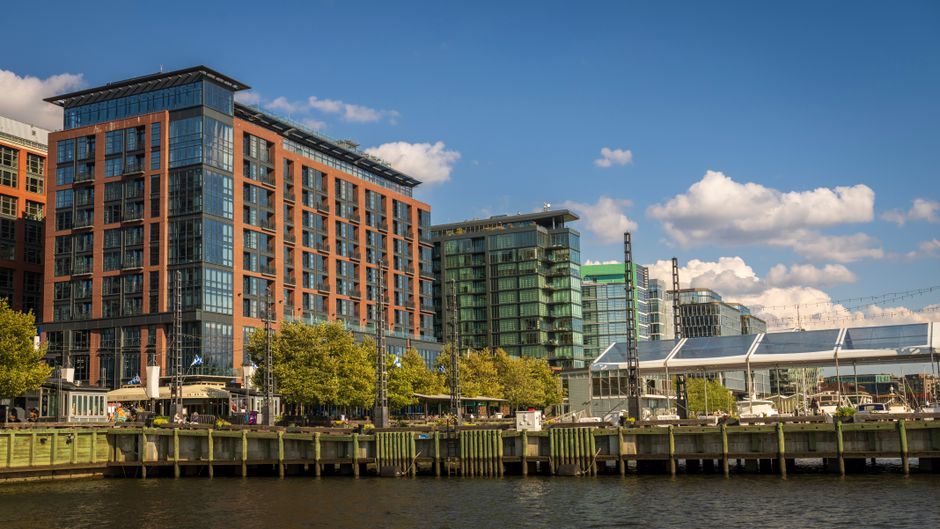
Washington DC's construction pipeline is roaring. The District has approved over 8,000 new residential units in the past 18 months alone—a pace not seen since the 2015 boom—yet the rental market has fractured into two distinct realities.
On the development side, architects and contractors are celebrating. The approval rate for mixed-use projects along the H Street corridor and around the Nationals Park precinct has accelerated sharply, with the Office of the Zoning Administrator processing applications faster than in previous cycles. New Class-A apartments in Navy Yard-Ballpark are commanding $2,400 to $2,800 per month for two-bedroom units, reflecting strong investor appetite. Meanwhile, boutique developers are converting older commercial properties in Petworth and along the Columbia Heights stretch of 14th Street, betting on continued gentrification.
But this supply surge masks a cruel paradox for existing tenants. Across Capitol Hill, Georgetown, and increasingly in traditionally affordable neighbourhoods like Mount Pleasant, rent increases are outpacing new unit deliveries. The DC Fiscal Policy Institute reports that median rent has climbed 8 percent year-over-year, while median household income has grown only 2.3 percent. Landlords, emboldened by approval certainty and rising property valuations, are raising rents on renewal—some by 15 to 20 percent—knowing that incoming competition offers few bargains.
The mismatch creates a landlord's dilemma. Property owners in transitional zones—say, along the Rhode Island Avenue corridor or near the upcoming Metro reimagined stations—face pressure to hold properties for redevelopment rather than maintain them as traditional rentals. The economics increasingly favour demolition and replacement with higher-density product. Yet this calculus displaces long-term tenants, many of whom have no legal recourse beyond the District's modest 10 percent annual rent cap for unregulated units.
Community advocates at organizations including DC Tenants Advocacy Union have escalated their pushback, demanding inclusionary zoning requirements on new projects and extended rent-stabilization protections. The DC Department of Housing and Community Development has signaled openness to stricter affordability mandates on new approvals, but the regulatory machinery moves slowly.
The paradox remains stark: construction is booming, yet affordability is worsening. Landlords profit from scarcity even as units rise. Tenants face eviction pressure despite record building activity. Until the District aligns approval incentives with affordability outcomes, DC's new skyline will tell a story of supply without relief.
This article was compiled by AI from the sources linked above and screened before publishing. See our editorial standards.