First-Time Buyers' Roadmap: Navigating DC's Affordable Housing Programs in a $700K Market
With the median home price sitting at $700,000, first-time buyers need to understand the city's overlooked—but genuine—affordable housing pathways.
With the median home price sitting at $700,000, first-time buyers need to understand the city's overlooked—but genuine—affordable housing pathways.
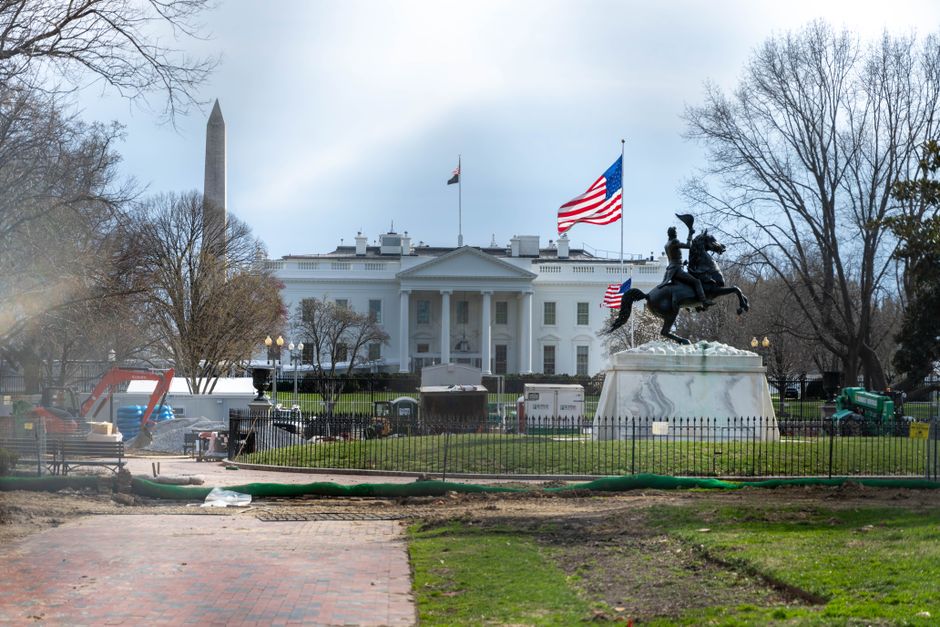
Washington DC's real estate market feels increasingly like a spectator sport for ordinary earners. The median home price of $700,000 has priced out countless first-time buyers, yet a quieter infrastructure of affordable and social housing programs persists—one most newcomers never discover until it's too late.
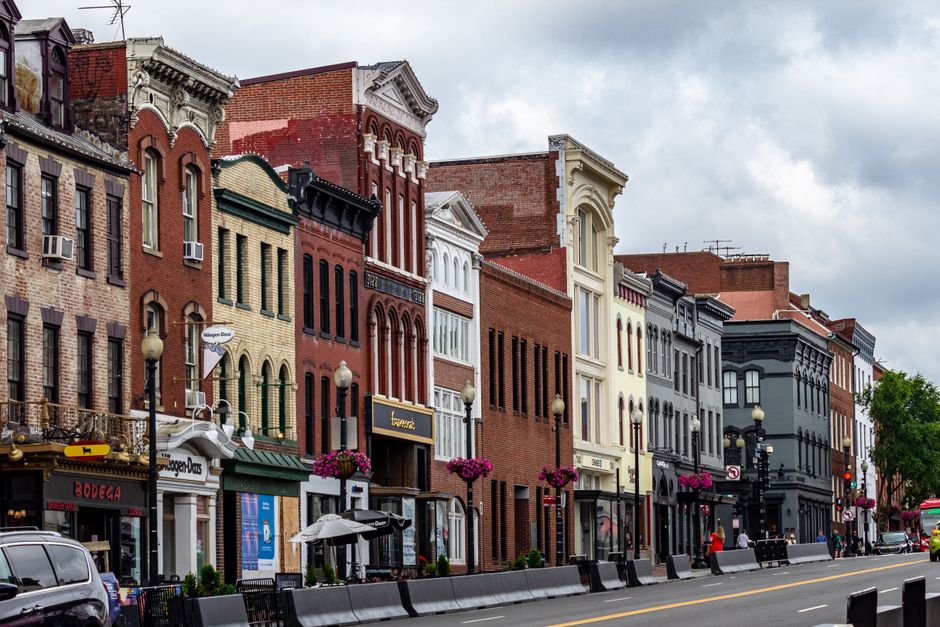
The gap is real. While Georgetown and Capitol Hill command premium prices that anchor the city's statistics, emerging neighborhoods like H Street and Navy Yard offer relative relief, though even these areas have climbed sharply in five years. For first-time buyers, the difference between paying market rate and accessing an affordable housing program can mean owning versus renting indefinitely.
DC's Housing Preservation Fund and the Community Development Block Grant programs remain underutilized resources. The District currently operates several inclusionary zoning developments where 10-25% of units are reserved at below-market rates. Recent projects in Northeast DC and along the Anacostia waterfront have opened doors for buyers earning 60-80% of the area median income—roughly $57,000-$76,000 for an individual, or up to $109,000 for a family of four.
The DC Department of Housing and Community Development offers down payment assistance up to $80,000 for qualifying first-time buyers, substantially reducing the barrier to entry. The First Right to Purchase program, meanwhile, grants tenants priority when their buildings convert—critical protection in neighborhoods experiencing rapid displacement like U Street Corridor and Trinidad.
But accessing these programs requires proactive homework. Registration with the District's Housing Counseling Center, located near the Metro Center, isn't mandatory—yet counselors help buyers understand forgiven second mortgages, tax credits, and shared-equity models that can make $400,000 homes genuinely attainable on $70,000 incomes.
The timeline matters too. Unlike the speculative frenzy visible in nearby Northern Virginia's competitive suburbs, DC's social housing pipelines move deliberately. Projects take 18-36 months from announcement to occupancy, rewarding patience over panic.
The honest truth: DC's affordable housing system remains fragmented and underfunded relative to demand. Yet for first-time buyers willing to explore neighborhoods beyond the gilded corridor of Georgetown-to-Capitol Hill, and willing to engage with the city's institutional tools rather than compete on the open market, homeownership remains achievable. The key is starting conversations with DHCD, not with real estate agents.
This article was compiled by AI from the sources linked above and screened before publishing. See our editorial standards.
How does this story make you feel?
Spread the word
About this article
Published by The Daily Washington DC
Daily brief
Free, in your inbox before 7am. Weekdays.
More in Property