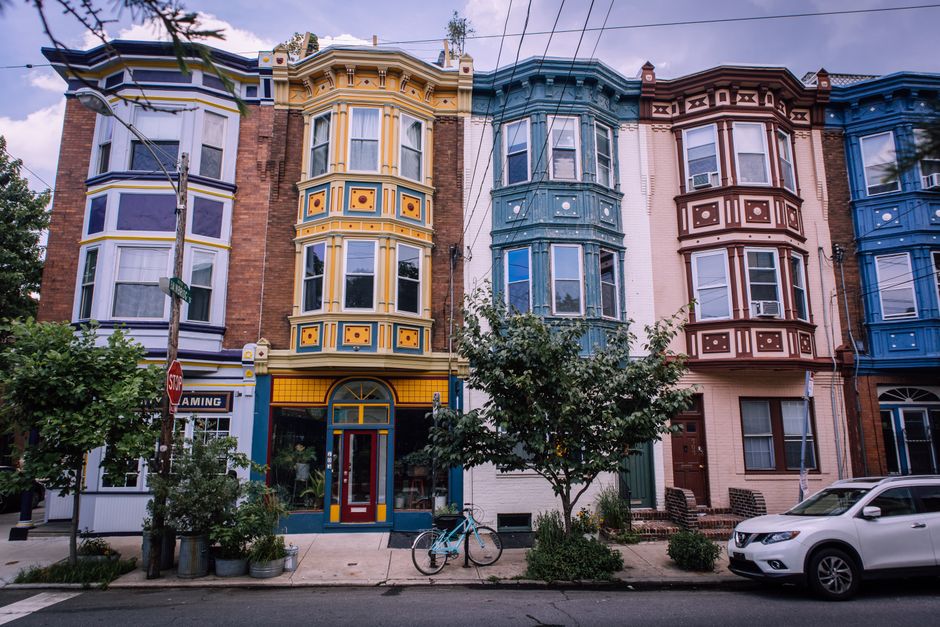
Washington DC's luxury property market, long anchored by Georgetown's tree-lined streets and Capitol Hill's Federal charm, is undergoing a subtle but significant recalibration. The culprit? A tightening of planning regulations that have made six-figure renovations and teardowns far more complicated—and far more expensive—for developers targeting the $2 million-plus segment.
The DC Office of Planning's updated Historic Preservation Review Board guidelines, implemented in early 2025, now require expedited environmental assessments for any property within designated overlay districts—a category that includes much of Georgetown, Capitol Hill, and the emerging H Street Corridor. The impact has been immediate. According to local real estate data from Bright MLS, luxury sales (defined as $1.5 million and above) in these traditionally premium neighborhoods dropped 12 percent year-on-year through Q2 2026, while median prices in those areas held steady around $2.1 million.
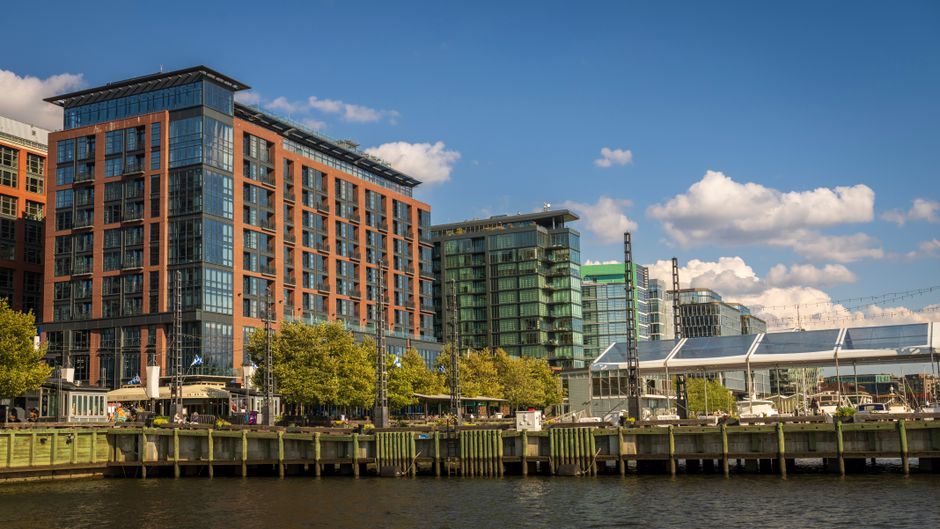
The real shift, however, has been directional. Affluent buyers—particularly empty-nesters and relocating executives—are increasingly exploring Navy Yard-Ballpark, where fewer heritage restrictions and a streamlined development pipeline have attracted significant capital. New luxury condominiums on the former Reservation 13 site have attracted buyers previously anchored to Capitol Hill, with units commanding $850,000 to $1.3 million—a marked discount that reflects both neighborhood newness and regulatory accessibility.
Georgetown developers have adapted by focusing on in-situ renovations rather than teardowns, a strategy that reduces planning friction but limits the dramatic transformations that once drove speculative investment. One prominent N Street property, listed in March for $3.2 million, faced a nine-month permitting delay before its owner scaled back exterior modifications.
The DC Council's concurrent parking minimization ordinance—which reduced requirements for new residential developments—has paradoxically benefited luxury projects in transit-rich zones. Wisconsin Avenue and M Street properties have seen renewed interest, as the regulatory clarity attracts institutional capital.
Real estate professionals caution that this regulatory environment is not temporary. The Historic Preservation Review Board has signaled its commitment to stricter oversight through 2027, creating a long-term headwind for the traditional luxury gatekeepers. For buyers, this means longer timelines and higher soft costs. For investors, it means reassessing neighborhood risk premiums and diversifying geographically within the metro area.
The DC luxury market remains robust—median prices across the region hover near $700,000, with high-end properties continuing to appreciate modestly. But the days of rapid-fire redevelopment in historic neighborhoods appear, for now, to be behind us.
This article was compiled by AI from the sources linked above and screened before publishing. See our editorial standards.