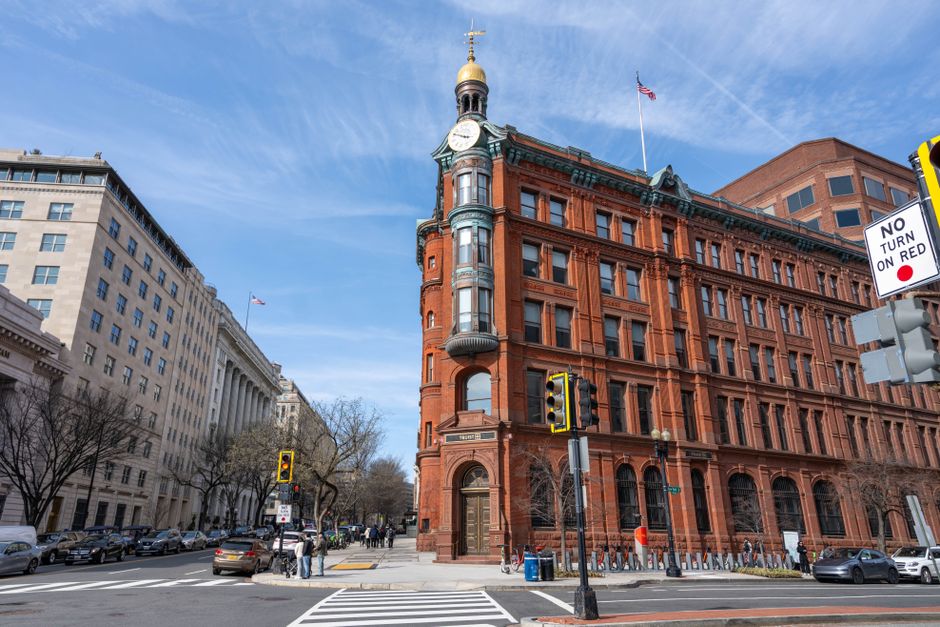
What DC's Auction Block Is Telling Us About Affordable Housing's Future
Falling clearance rates and compressed margins in recent property sales suggest the affordable housing gap is about to widen—unless policy catches up.
Falling clearance rates and compressed margins in recent property sales suggest the affordable housing gap is about to widen—unless policy catches up.
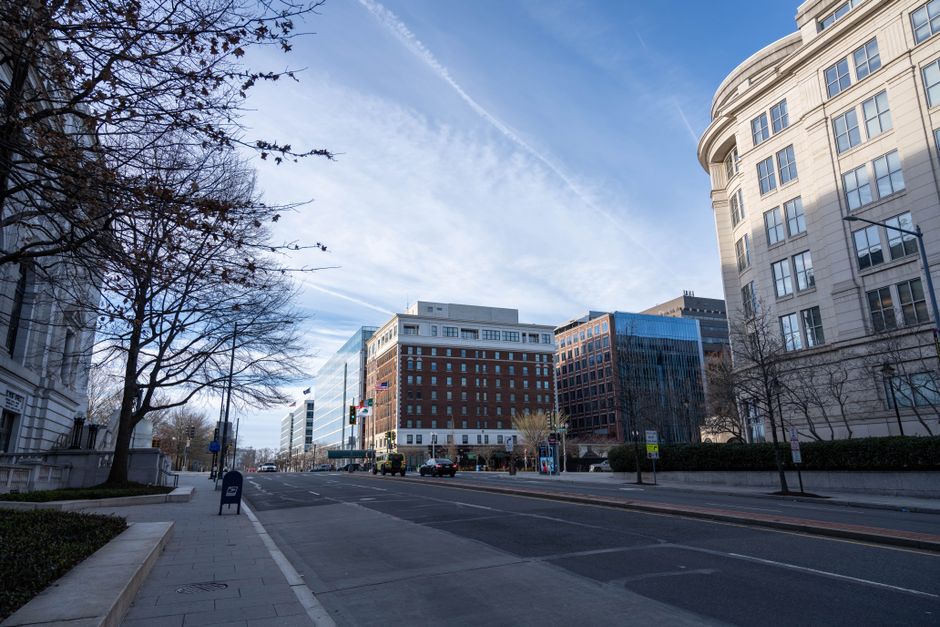
Washington DC's property market has always told a story. Right now, that story is becoming harder to ignore for policymakers focused on affordable housing.
Recent auction results across the district reveal a troubling signal: fewer properties are reaching reserve prices, and when they do, margins are tightening. This matters because auction data—raw, unfiltered, weekly—often precedes broader market shifts by months. For a city where the median home price hovers near $700,000 and affordable units remain desperately scarce, these signals warrant serious attention.
Consider the pattern in peripheral neighbourhoods. Properties in Deanwood and Anacostia that might have sold within 10 per cent of estimate two years ago now languish unsold or clear significantly below asking. Simultaneously, bidding wars persist in Capitol Hill and Georgetown, where a modest rowhouse still commands $1.2 million-plus. The bifurcation is becoming starker.
The Housing Opportunities Commission and the DC Department of Housing and Community Development have noted this divergence in their recent quarterly reports. While they haven't issued formal statements attributing causation, the data is suggestive: investor appetite for lower-margin properties is cooling as interest rates stabilise at higher levels. This creates a vacuum.
On H Street NE and near the Navy Yard, transformation continues, but it's happening at market rates. New developments attract institutional capital seeking 5-8 per cent returns—returns incompatible with affordability mandates. When developers face a choice between 20 per cent of units at 60 per cent Area Median Income and 100 per cent at market rate, auction results increasingly show which option wins.
The city's inclusionary zoning requirements mandate affordable units in new residential projects, yet enforcement gaps persist. Meanwhile, auction clearance rates on older stock—the traditional feeder for affordable conversion—are declining precisely when that mechanism is most needed.
What does this signal? That voluntary compliance and market-rate development alone cannot close DC's affordable housing gap, which now exceeds 80,000 units by some estimates. Auction data suggests private capital will not be incentivised to solve this problem.
If recent sales patterns hold, expect pressure on the city council to strengthen mandatory inclusionary percentages, expand the Affordable Housing Trust Fund, or pursue more aggressive acquisition of properties for public/community ownership. The auction block has spoken. The question is whether policy will listen before the gap becomes even wider.
This article was compiled by AI from the sources linked above and screened before publishing. See our editorial standards.
How does this story make you feel?
Spread the word
About this article
Published by The Daily Washington DC
Daily brief
Free, in your inbox before 7am. Weekdays.
More in Property