Washington DC's property landscape is undergoing one of its most significant transformations in a decade, with major development projects fundamentally reshaping affordability patterns across the city. Yet as bulldozers break ground on dozens of mixed-use towers, longtime residents and policy advocates are asking whether these projects will genuinely address the housing crisis or simply accelerate displacement.
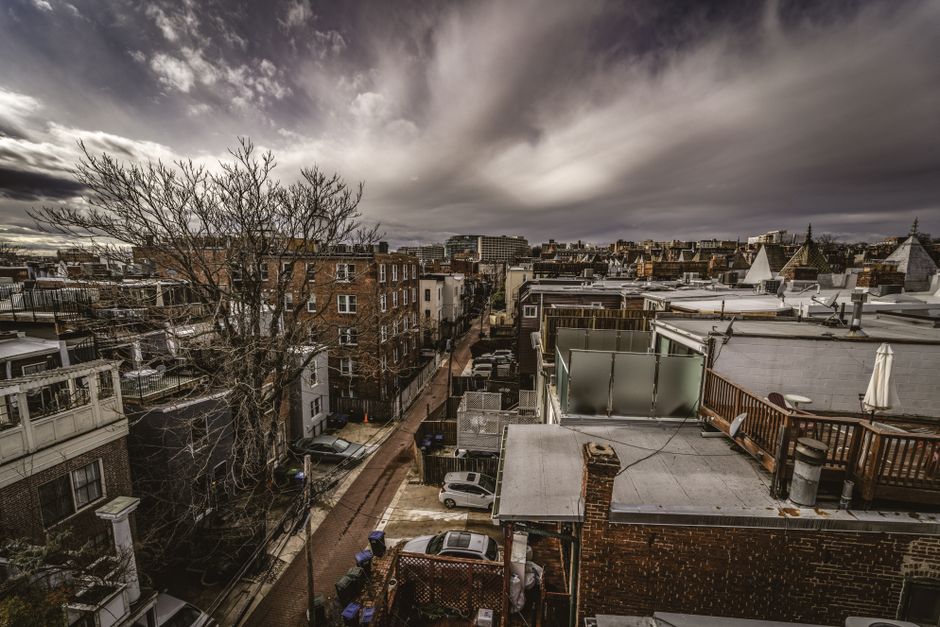
The numbers tell a complex story. The DC median home price hovers around $700,000, but new construction projects are introducing units at dramatically different price points. Along the H Street corridor—historically a working-class neighbourhood now experiencing rapid gentrification—new residential developments are advertising studios starting at $2,200 monthly rent, while luxury two-bedrooms command $4,500 and above. Meanwhile, in nearby Capitol Hill and Georgetown, comparable units fetch 15 to 20 percent premiums due to established amenities and proximity to employment centres.
The transformation extends beyond Northwest DC. Navy Yard-Ballpark has emerged as a secondary hotspot, with waterfront developments attracting significant private investment. Several projects currently under construction promise inclusionary zoning requirements—typically 8 to 12 percent of units designated as affordable—yet developers argue these mandates increase project costs and extend timelines. Housing advocates counter that without stronger inclusionary components, new supply primarily serves affluent transplants rather than existing DC residents.
Consider the contrast with Northern Virginia's suburban market, where competitive pricing in Arlington and Alexandria has pushed first-time homebuyers further afield. Many DC residents priced out of neighbourhoods they grew up in are making similar calculations, creating ripple effects across the broader Washington region.
The sustainability question looms largest. DC's Office of the Chief Financial Officer estimates the city needs approximately 26,000 additional housing units by 2040 to maintain current affordability ratios. Current development pipelines fall short of this target, particularly in genuinely affordable categories. While zoning reforms and expedited permitting have accelerated projects, many still face community opposition or financing delays.
Real estate experts suggest the next 18 months will prove decisive. If major developments complete as scheduled—particularly along the H Street extension and emerging Anacostia waterfront projects—DC could see meaningful supply increases. However, without concurrent affordability protections or anti-speculation measures, increased supply alone may not translate to reduced prices for middle-income households.
The stakes extend beyond real estate metrics. Development patterns directly determine neighbourhood character, demographic composition, and whether DC remains economically diverse or becomes increasingly stratified by wealth. As shovels hit ground across the city, policymakers and residents alike recognize that where—and how—we build next will echo through DC's communities for generations.
This article was compiled by AI from the sources linked above and screened before publishing. See our editorial standards.