First-Time Buyers' Roadmap: Navigating DC's Affordable Housing Market
With the median home price hovering near $700,000, here's how new buyers can tap into programs, neighbourhoods and resources reshaping homeownership across the District.
With the median home price hovering near $700,000, here's how new buyers can tap into programs, neighbourhoods and resources reshaping homeownership across the District.
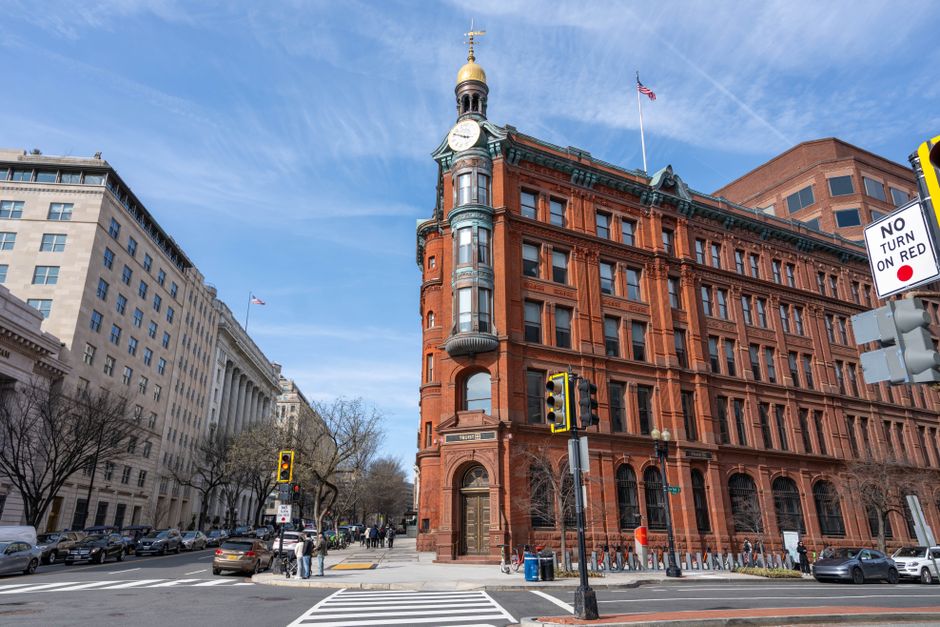
Buying your first home in Washington DC feels increasingly like a high-stakes game. With the median price sitting around $700,000, Capitol Hill and Georgetown now feel like fantasies for ordinary earners. But a quieter revolution is underway—one that first-time buyers need to understand.
The DC Housing Finance Agency (DCHFA) remains the essential starting point. Their First Purchase Assistance Program offers down payment grants up to $80,000 for buyers earning under 120 percent of area median income (roughly $110,000 for a single filer). Critically, this stacks with competitive mortgage rates. Applications open quarterly, and the agency's website walks through eligibility step-by-step.
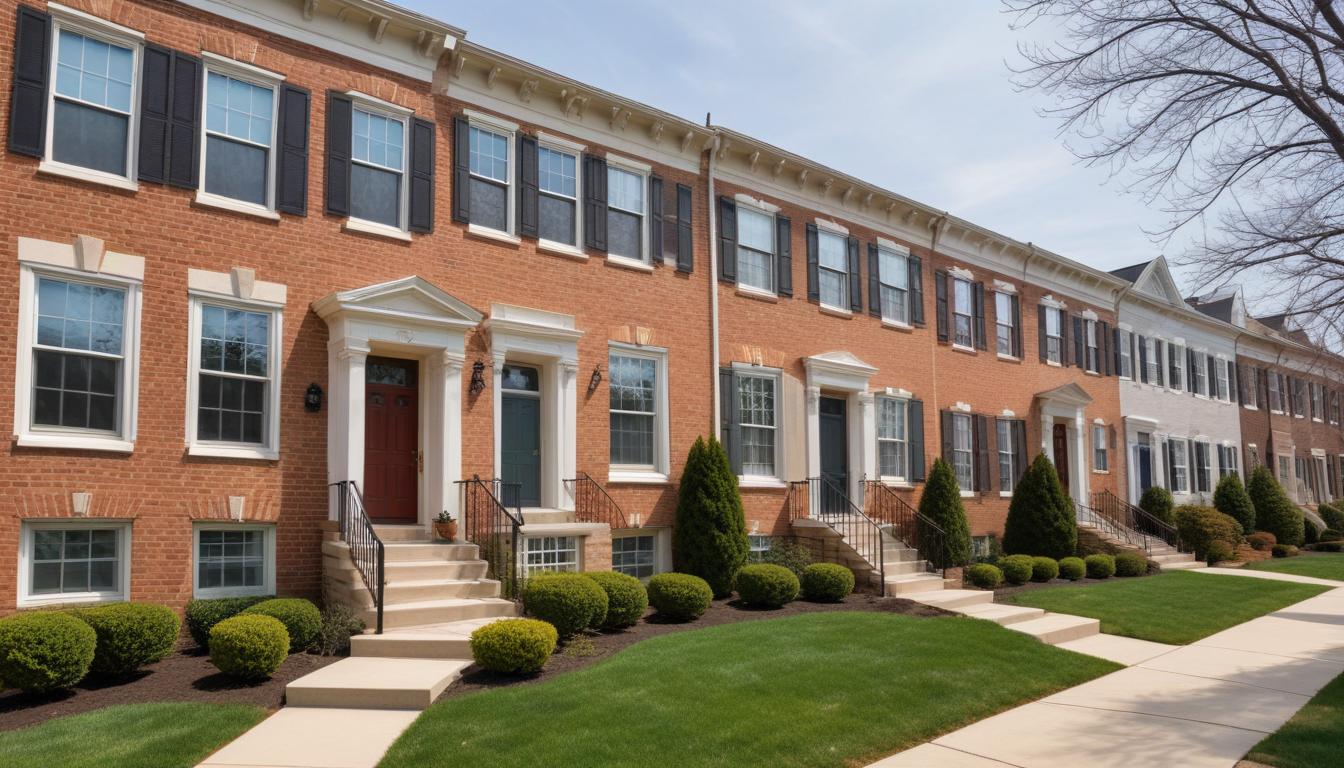
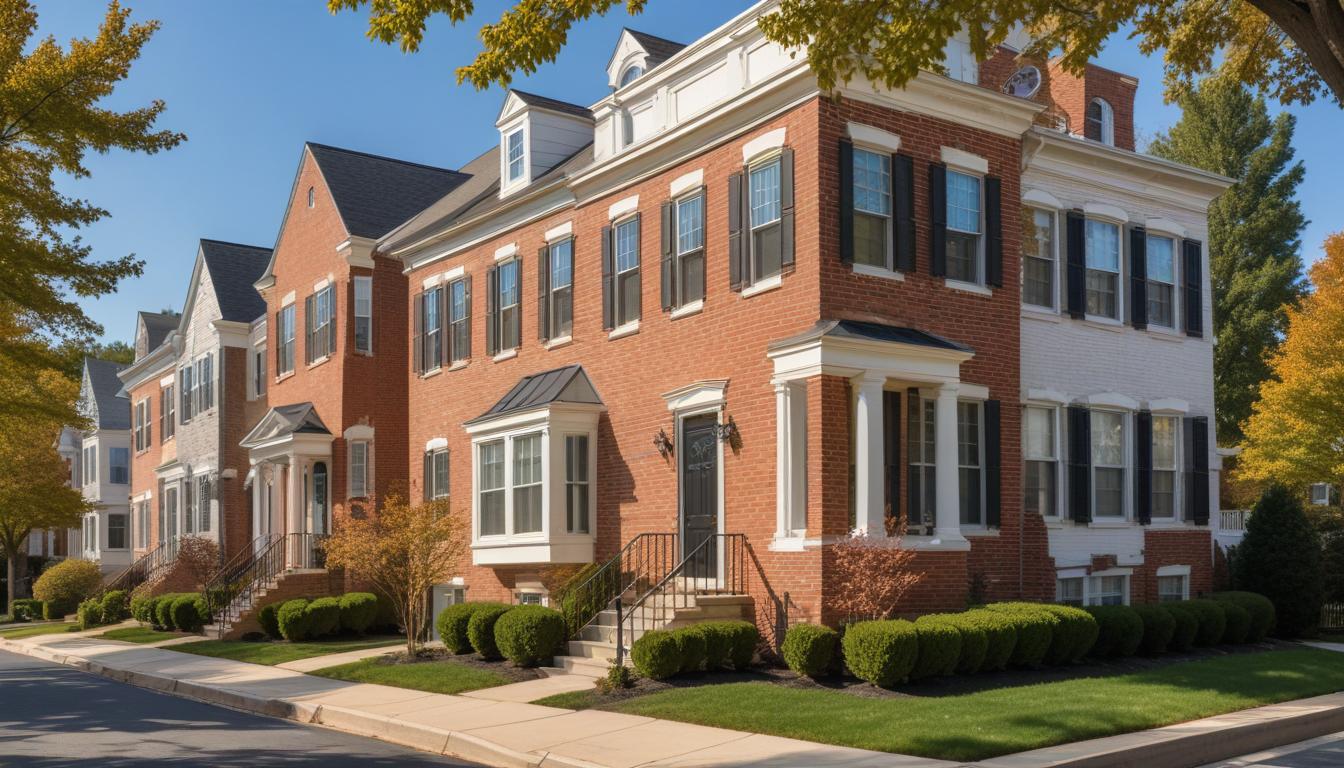
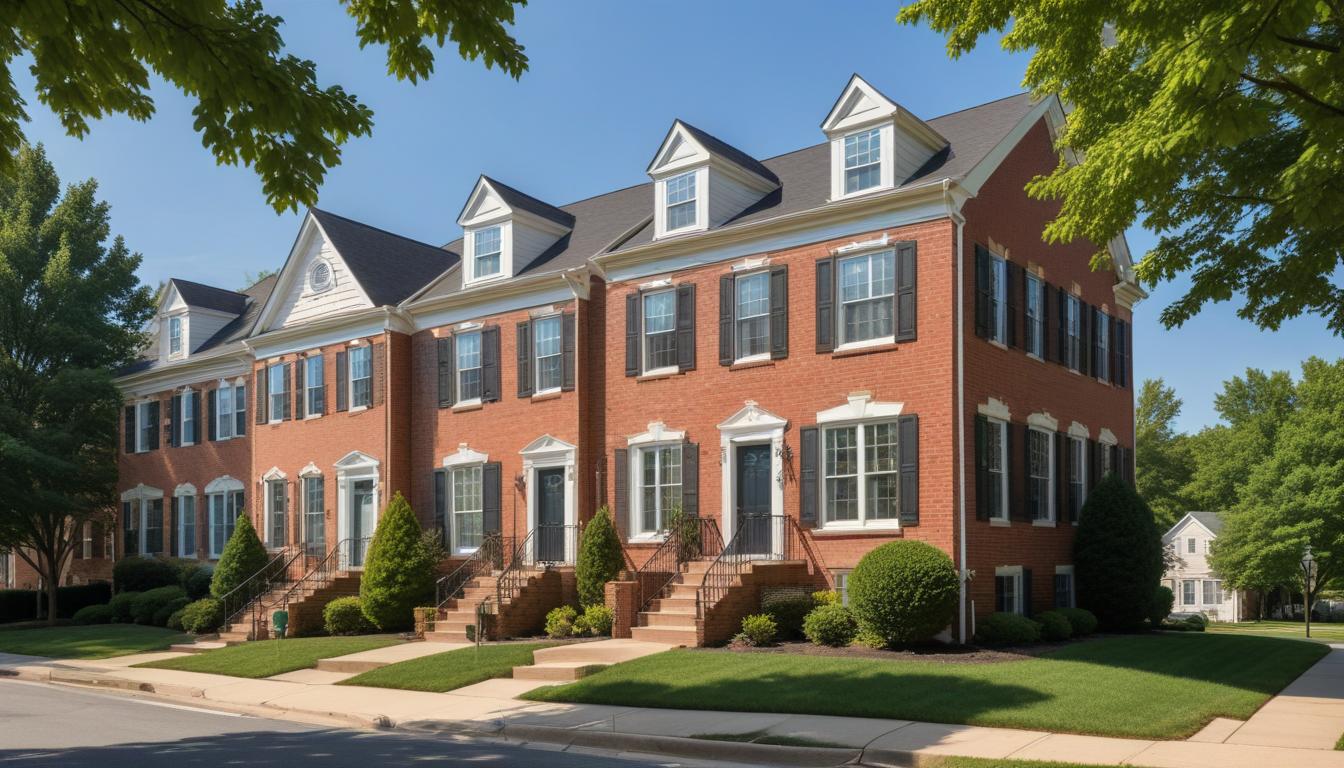
Neighbourhood strategy matters enormously. While Capitol Hill's tree-lined rowhouses command premiums, transformation corridors offer better entry points. H Street NE—stretching from Union Market toward Benning Road—has seen new mixed-income developments. Navy Yard-Ballpark, once dormant, now hosts projects where prices remain below $600,000 for one-bedrooms. Deanwood, along the Green Line, remains undervalued relative to its Metro access and park proximity.
Don't overlook the outer wards. Ward 7 and Ward 8 neighbourhoods, particularly along the Anacostia Waterfront and near the new developments at The Yards, offer the most realistic pricing for buyers seeking genuine affordability. Community land trusts like the DC Community Land Trust lock in permanent affordability by separating land ownership from home ownership, reducing your purchase price substantially.
Beyond DCHFA, investigate employer-specific programs. Several major DC institutions—Georgetown University, George Washington University, the World Bank—offer employee homeownership assistance. If you're federal, the Thrift Savings Plan's first-time homebuyer loan option deserves exploration.
The city's inclusionary zoning rules—requiring 8-10 percent of new developments to remain affordable—mean fresh inventory in neighbourhoods like Mount Pleasant and along the U Street corridor. These units typically restrict resale, but offer below-market pricing upfront.
Critical timing: rising interest rates have temporarily cooled DC's market compared to pre-2024 peaks. This creates breathing room absent two years ago. Still, stock remains tight. Working with a realtor familiar with affordable programs—not just luxury—is non-negotiable.
Start at DCHFA's office on K Street, attend their monthly buyer education workshops, and get pre-qualified before searching. The market rewards preparation. Your first DC home may not be your dream home, but in H Street, Navy Yard or Ward 7, it's becoming possible again.
This article was compiled by AI from the sources linked above and screened before publishing. See our editorial standards.
How does this story make you feel?
Spread the word
About this article
Published by The Daily Washington DC
Daily brief
Free, in your inbox before 7am. Weekdays.
More in Property