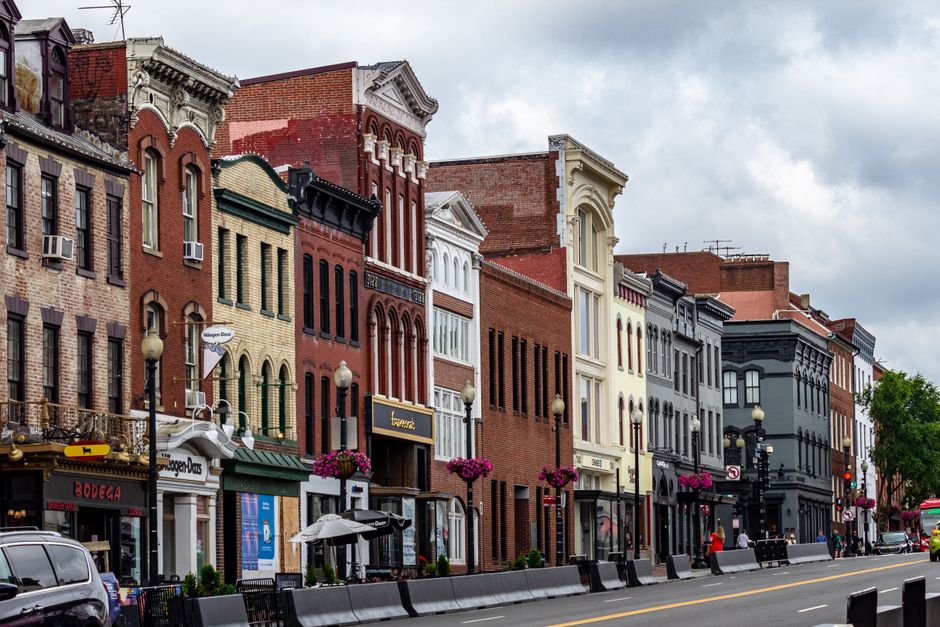
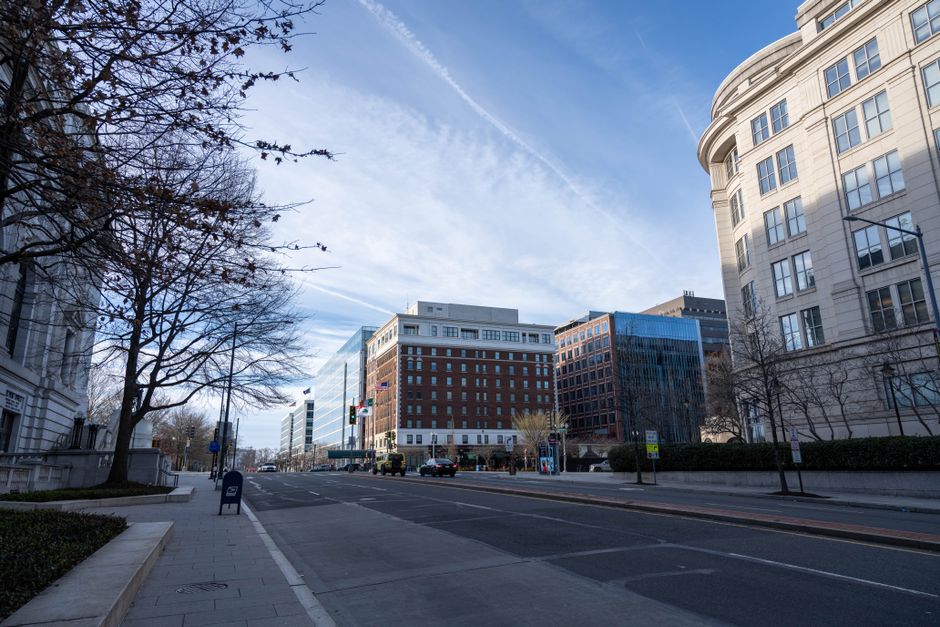
Washington DC's rental market is experiencing a fundamental shift. New residential developments have accelerated across the city—particularly in redeveloping corridors like H Street NE, the Navy Yard neighbourhood, and along the waterfront—flooding the market with approximately 8,500 new rental units over the past three years. But this apparent supply surge is creating two very different realities for landlords and tenants.
For property owners and developers, conditions have rarely been better. The median rent in DC hovers near $2,100 monthly for a one-bedroom, with newer construction commanding premiums of 15-25% above older stock. Class A apartments in Capitol Hill and Georgetown regularly eclipse $3,000, while emerging neighbourhoods like Navy Yard—anchored by the reopened Audi Field and Monumental sports complex—have attracted institutional investors eager to capitalise on transit access and cultural momentum. Building approvals continue at a brisk pace, with the DC Department of Housing and Community Development processing mixed-use projects that blend residential, retail, and office space.
For renters, the picture is grimmer. While new supply exists, it predominantly targets affluent residents willing to pay luxury pricing. Meanwhile, naturally occurring affordable housing—older, walkable neighbourhoods with lower rents—faces gentrification pressure. Areas like Columbia Heights and U Street, which traditionally housed service workers and mid-income families, are seeing landlords hold properties off-market while waiting for redevelopment opportunities or renovate aggressively before reletting at market rates. Tenant advocacy organisations report increasing displacement complaints, particularly among renters with older leases being priced out during renewal cycles.
The regulatory environment complicates matters further. DC's Rent Control Act limits increases to 10% annually for most tenants, but exempts new construction for the first ten years—creating incentives for demolition and replacement. The Zoning Commission has approved numerous variance requests in neighbourhoods from Petworth to Fort Davis Park, enabling developers to exceed height restrictions and density limits. Approval timelines, while faster than comparable East Coast markets, still stretch 18-24 months, locking in construction costs and financing terms that ultimately translate to higher rents.
What emerges is a paradox: the city has never built more apartments, yet renters report never feeling more squeezed. New developments cluster in already-desirable neighbourhoods and cater to white-collar professionals, while families earning $50,000-$80,000 annually—teachers, nurses, service workers integral to DC's ecosystem—increasingly look to Northern Virginia suburbs or relocate entirely. Landlords, meanwhile, face rent-setting decisions in an environment where newer competitors tower above them, forcing upgrades or rate increases to remain competitive. The rental market's expansion, paradoxically, has narrowed both sides' options.
This article was compiled by AI from the sources linked above and screened before publishing. See our editorial standards.