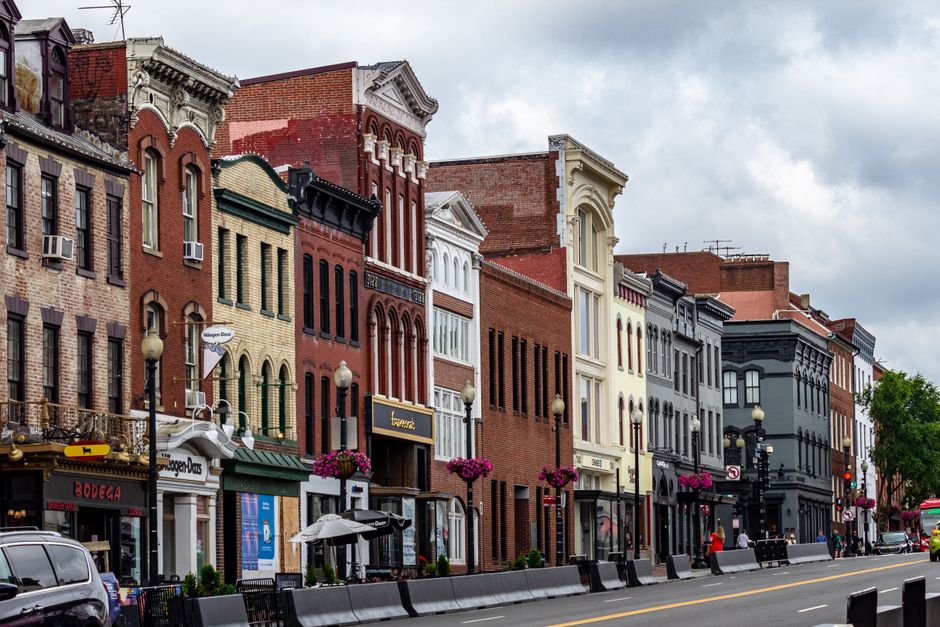
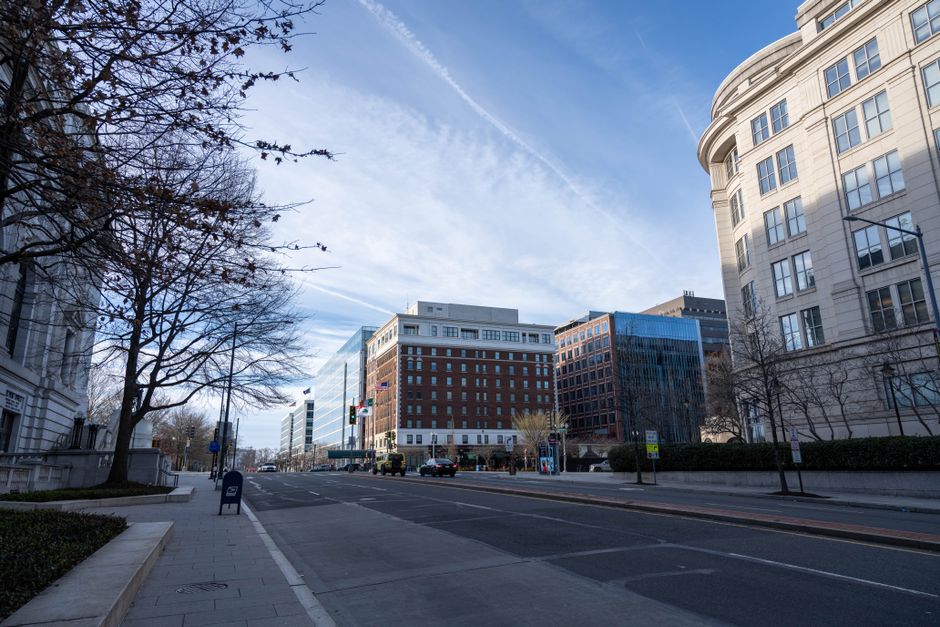
Washington DC's development pipeline is running hot. Over the past 18 months, the DC Office of the Deputy Mayor for Planning and Economic Development has fast-tracked approvals for more than a dozen significant mixed-use projects, fundamentally reshaping the city's residential landscape and raising urgent questions about who will actually live in these new neighborhoods.
The numbers tell the story. Navy Yard—Southeast DC's industrial-turned-trendy corridor—has seen median rents climb 34 percent since 2022, driven largely by new construction completing at the Navy Yard-Ballpark Metro station. The 1,200-unit mixed-use development anchored by the Nationals' ballpark has priced out longtime residents, with studios now commanding $1,900 monthly. Similar dynamics are unfolding along H Street NE, where the H Street Main Streets initiative has catalyzed private investment that's simultaneously revitalized storefronts and accelerated gentrification pressures.
What distinguishes the current wave is its scale and velocity. Projects approved over the past year include 2,400 new residential units across the H Street corridor alone, alongside office conversions in formerly industrial zones near Union Market and emerging areas along the Anacostia River. The District's median home price hovers near $700,000—a barrier that pushes many middle-income households toward Northern Virginia suburbs, where developers face their own approvals backlog.
The planning community remains divided. Development advocates argue that increasing housing supply—DC needs roughly 11,000 new units annually to meet demand—is the only realistic path to stabilizing costs. The Urban Land Institute's recent analysis suggests that without accelerated permitting, the affordability crisis will deepen further, pushing service workers, teachers, and government employees beyond the city's boundaries.
But neighborhood advocates counter that development-led growth without parallel affordable housing mandates amounts to managed displacement. The DC Preservation League and residents' associations are pushing for stronger inclusionary zoning requirements—currently mandating 10 to 15 percent affordable units in new developments—arguing this threshold is insufficient given replacement-level demand.
City officials are caught between these poles. The Comprehensive Plan, updated in 2023, envisions growth concentrated along transit corridors and in underutilized commercial zones. But implementation requires navigating community board recommendations, ANC (Advisory Neighborhood Commission) opposition, and the reality that developers seeking profitability rarely volunteer deeper affordability commitments without incentives.
What's clear: the next 24 months will determine whether new construction translates to inclusive growth or accelerated inequality. For DC renters and first-time buyers already priced out of most neighborhoods, the answer may depend less on architectural ambition than on political will.
This article was compiled by AI from the sources linked above and screened before publishing. See our editorial standards.