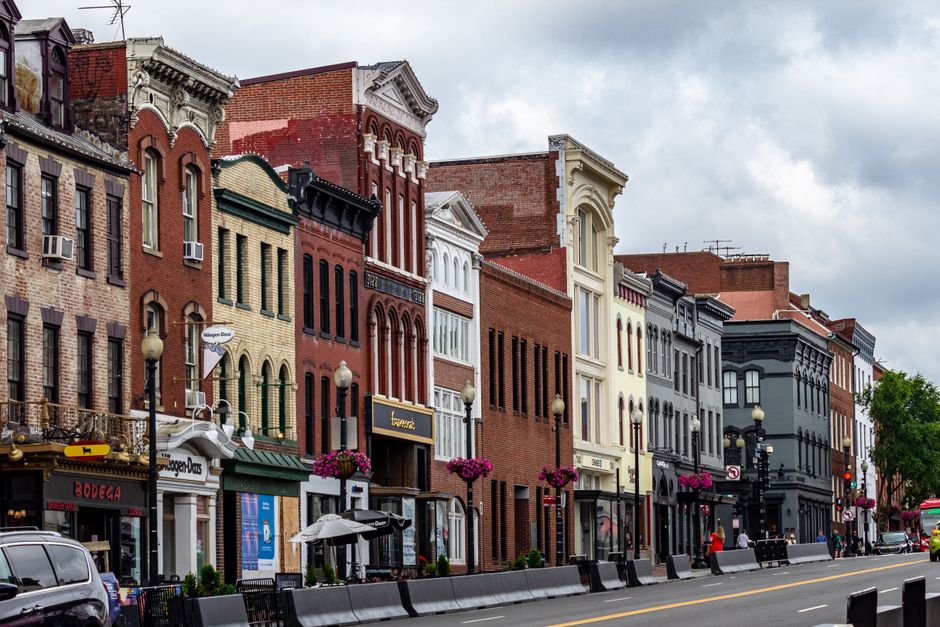
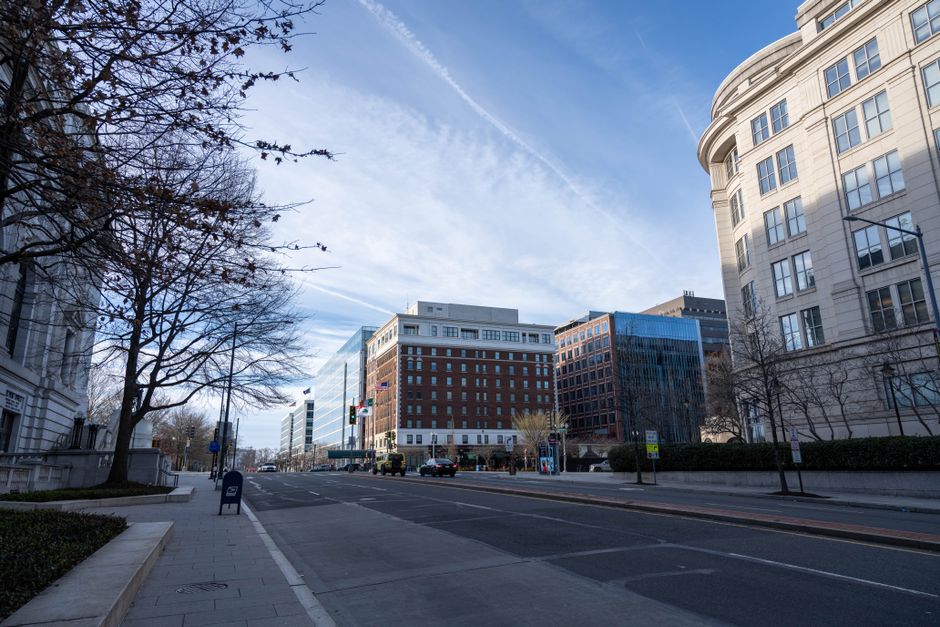
For decades, Bethesda occupied a peculiar position in the Washington luxury market: prestigious enough for serious wealth, yet perpetually overshadowed by the cachet of Capitol Hill townhouses and Georgetown waterfront estates. That calculus has shifted dramatically over the past eighteen months, with the Maryland suburb emerging as the region's most compelling investment thesis for high-net-worth buyers seeking exposure to prime real estate without the stratospheric premiums of DC's core.
The numbers tell the story. While median DC property values hover around $700,000, luxury homes in Bethesda's premier corridors—particularly along Old Georgetown Road, near the Bethesda Country Club, and throughout the Chevy Chase borders—have appreciated nearly 12 percent annually since 2024. A three-bedroom colonial on Woodacre Drive recently sold for $2.85 million, a price point that would command only a modest Georgetown rowhouse or small Capitol Hill estate.
The catalyst is structural. Bethesda's downtown revitalization, anchored by the Metro station and amplified by the mixed-use development boom along Wisconsin Avenue, has transformed the suburb's desirability profile. The arrival of high-end retailers, Michelin-adjacent dining establishments, and the established strength of the National Institutes of Health as an employment anchor have created the kind of urban-suburban fusion that affluent buyers increasingly prefer. Schools remain exceptional—Walt Whitman High School consistently ranks among Maryland's best—without the political volatility that affects DC public education discourse.
Perhaps most significantly, the inventory advantage matters. Georgetown's luxury stock remains constrained by historic preservation mandates and limited developable land. Bethesda, by contrast, offers variety: meticulously maintained mid-century estates suitable for renovation, new construction homes in the $3-5 million range, and townhome developments attracting empty-nesters seeking lock-and-leave convenience.
Institutional capital has noticed. Several Northern Virginia-based private equity firms with DC ties have begun acquiring multi-property portfolios in Bethesda's premium neighborhoods, positioning for the anticipated tide of post-pandemic remote-work flexibility that favors Maryland's tax environment over DC's residential tax burdens.
The suburb's emergence hardly signals a DC luxury collapse—Connecticut Avenue's upper reaches and the emerging Navy Yard corridor maintain their appeal. But for investors and owner-occupants with genuine liquidity, Bethesda now represents the rare combination of appreciation potential, lifestyle amenities, and psychological prestige that once required crossing into the District itself. The calculus has finally tipped.
This article was compiled by AI from the sources linked above and screened before publishing. See our editorial standards.