Caught in the Middle: How DC's Rental Crisis Is Reshaping the Landlord-Tenant Dynamic
As vacancy rates tighten and rents stabilise after years of explosive growth, both renters and property owners across Washington DC face an unexpected squeeze.
As vacancy rates tighten and rents stabilise after years of explosive growth, both renters and property owners across Washington DC face an unexpected squeeze.
The rental market in Washington DC has entered a peculiar inflection point. After nearly a decade of double-digit annual rent increases that pushed median asking rents above $2,100 for a one-bedroom apartment, the city's rental landscape is cooling—but not in ways that necessarily benefit struggling tenants or reassure property owners.
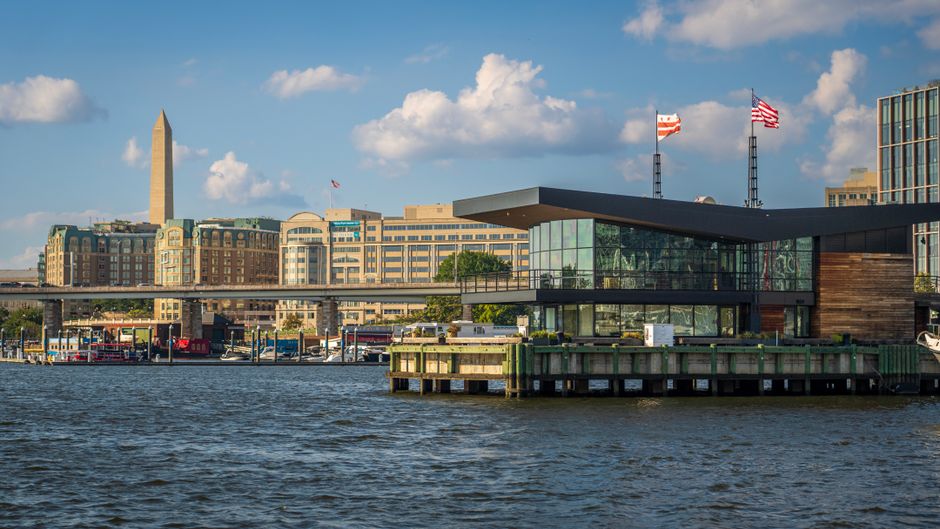
Along the H Street corridor and in emerging neighbourhoods like Navy Yard, where conversion projects have flooded the market with new units, landlords are discovering that aggressive pricing no longer guarantees occupancy. The District's residential vacancy rate has climbed to approximately 7 percent, a marked shift from the sub-5 percent scarcity that characterised much of the 2010s. Yet rents have not fallen proportionally, leaving renters facing a paradox: more options exist, but affordability remains elusive for households earning under the area median income of roughly $90,000.
The implications ripple through both sides of the rental equation. Smaller independent landlords—particularly those with properties in transitional neighbourhoods north of U Street Corridor or in outer Ward 7 and 8—report longer vacancy periods and mounting pressure to discount rents or offer concessions. Simultaneously, tenants across Capitol Hill and Georgetown, where rents routinely exceed $2,500 monthly, face stagnant wages and competition from remote workers relocating to the region.
The District's Office of the Tenant Advocate has documented increased disputes over maintenance standards and security deposit disputes, suggesting that neither landlords nor renters feel secure enough to invest in long-term stability. Many landlords, squeezed by property taxes and maintenance costs, are turning to corporate property management firms, further depersonalising the rental relationship. Meanwhile, renters lack sufficient leverage to demand repairs or negotiate terms when employment remains competitive but housing costs consume over 40 percent of household income for median earners.
Policy interventions remain contested. The DC Council's ongoing debates over rent stabilisation—which would cap annual increases—pit affordable housing advocates against property owners warning of reduced maintenance investment and lower new construction. Georgetown and Capitol Hill representatives navigate particularly fraught territory, where many residents oppose density-increasing zoning changes that could alleviate supply constraints.
As the summer rental season progresses, both groups face a recalibration. Tenants are discovering they possess modest negotiating power for the first time in years. Landlords, conversely, must accept that the era of effortless rent growth has concluded. Whether this equilibrium produces sustainable, affordable housing remains the District's central question.
This article was compiled by AI and screened before publishing. See our editorial standards.
How does this story make you feel?
Spread the word
About this article
Published by The Daily Washington DC
Daily brief
Free, in your inbox before 7am. Weekdays.
More in Property