The Washington DC investment property market is at a inflection point. While the median home price hovers near $700,000, sophisticated landlords are increasingly eyeing emerging neighborhoods where development momentum is creating rental demand that outpaces supply—and yields that still matter.
The transformation of Navy Yard-Ballpark remains the textbook case. Over the past three years, residential development has accelerated dramatically around the Nationals ballpark and M Street corridor. Properties that rented for $1,800 per month in 2020 now command $2,400 to $2,600, representing gross yields of 4.5 to 5 percent on acquisition costs in the $550,000 to $650,000 range. The arrival of new mixed-use developments—particularly around Half Street—has attracted young professionals and sports enthusiasts seeking walkability without Georgetown's premium pricing.
Meanwhile, the H Street corridor's renaissance continues to mature. What was a speculative play five years ago has evolved into a genuine landlord market. New residential towers near the Metro station are driving institutional investment, signaling confidence that the neighborhood's yield compression hasn't bottomed. Current rents for one-bedroom units average $2,100 to $2,300, with new construction commanding premiums. The opening of additional dining and retail anchors has stabilized tenant retention rates above 90 percent—crucial for long-term yield stability.
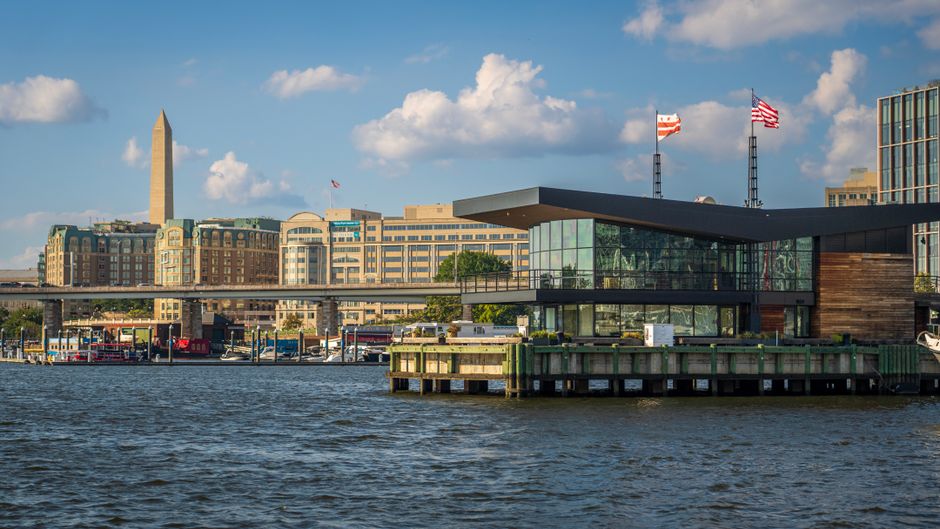
The Wharf expansion southward deserves close attention. While waterfront properties command premium prices ($850,000 to $1.2 million for modest two-bedrooms), the pipeline of office-to-residential conversions and supporting retail infrastructure suggests demographic tailwinds. Landlords here must accept lower gross yields (3 to 3.8 percent) but factor in appreciation potential as the Southwest DC waterfront becomes a genuine mixed-use destination.
For landlords evaluating where to deploy capital, the calculus has shifted. Northern Virginia suburbs—Arlington and Alexandria—remain steady, with yields consistently at 3.5 to 4 percent but limited upside from new development. By contrast, emerging DC neighborhoods tied to major projects offer 4.5 to 5.5 percent yields with genuine catalysts for rent growth.
The risks merit candor: development timelines slip, tenant demand can soften, and rising operating costs erode margins. But investors who can identify neighborhoods in the early-to-middle stages of their development cycle—where new projects signal institutional confidence but local rents haven't fully adjusted—can still find meaningful returns in a market where yield discipline matters more than ever.
This article was compiled by AI and screened before publishing. See our editorial standards.