Suburbs Where Buying is Now Cheaper Than Renting in Washington DC Region
Mount Rainier, Hyattsville, and selected Northern Virginia pockets defy city trends as high rents continue to climb.
Mount Rainier, Hyattsville, and selected Northern Virginia pockets defy city trends as high rents continue to climb.
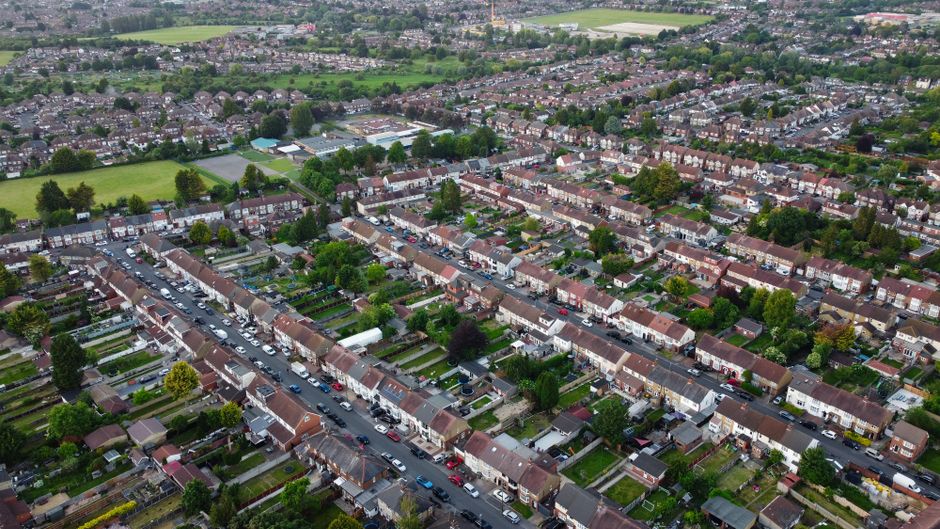
In a sharp reversal from recent years, several Washington DC suburbs—most notably Mount Rainier and Hyattsville—now offer monthly homeownership costs lower than the median rent for comparable properties, according to new figures from Redfin and the Metropolitan Washington Council of Governments released for Q3 2026.
The timing hits as a brutal summer heatwave and an unyielding rental market have many DC-area residents reconsidering their housing choices. Regionwide, median one-bedroom rents in the city proper shot up to $2,300 per month this June, and two-bedrooms are cresting $3,000, outpacing wage growth and pushing tenants to explore options outside the District’s core. With mortgage rates finally cooling below 6% for the first time since 2022, the monthly calculus for first-time buyers is starting to tilt—sometimes dramatically—in favor of buying, at least in a handful of close-in suburban ZIP codes.
Nowhere is the math clearer than in Prince George’s County. On the leafy blocks of Mount Rainier—where rows of century-old bungalows cluster around Rhode Island Avenue—buyers can still snag a two-bedroom rowhouse for $325,000. With a 10% down payment and a 30-year fixed mortgage at 5.8%, that’s a monthly payment just under $2,100 (taxes and insurance included), according to data provided by local broker Nomadic Real Estate. Median rent for a comparable house in the same area hit $2,350 in June. "Every week we’re seeing more renters actually crunch the numbers and realize they could be building equity for less than they’re currently paying," said a Mount Rainier-based mortgage specialist on Thursday.
Similar dynamics are emerging up the road in Hyattsville, where development around the Arts District and the expansive new Lidl on Hamilton Street has lifted both property values and rental demand. Yet with townhome prices holding steady between $390,000-$425,000—and plenty of older condos trading for under $280,000—the numbers favor buyers with stable incomes and some savings, particularly when compared to average rents that have climbed to $2,250 for a modest two-bedroom. D.C. policy groups like DC Urban League have begun offering first-time buyer workshops in bordering Maryland cities for precisely this reason, part of an effort to help long-time District renters tap suburban opportunities without venturing to far-flung exurbs.
Across the Potomac, the trend is cropping up in select Northern Virginia enclaves as well. In Huntington, just south of the King Street corridor, median sale prices for one-bedroom condos hovered around $249,000 last month, per Bright MLS—a level where mortgage payments typically undercut the $1,900 average rent logged by regional property manager Urban Investment Partners. Even in Falls Church, where new restaurants line Broad Street, the price-to-rent ratio on entry-level condos is nearing parity with local rents, driven in part by renters desperate to flee the city’s summer heat in search of shaded yards and lower monthly bills.
This isn’t a uniform shift—venerable areas like Georgetown and Capitol Hill remain deeply unaffordable for buyers, and in fast-gentrifying H Street or Navy Yard, fierce demand from young professionals keeps sale prices inflated. But for would-be owners willing to look a mile or two beyond city limits, the equation has flipped. According to a June report from Zillow, the share of DC suburbs where buying beat renting rose from just 8% in late 2024 to 21% in mid-2026.
While these opportunities still require strong credit scores and some upfront cash, several local programs are easing the leap. The Home Purchase Assistance Program (HPAP) continues to help District residents with down payment aid, and Prince George’s own My Home program has expanded eligibility this year, offering up to $15,000 in assistance for buyers under certain income thresholds.
Would-be buyers should review city and county portals for 2026 eligibility details and act fast: analysts caution the current buyer’s advantage could shrink if home prices respond to surging demand in these crossover neighborhoods. For now, Mount Rainier and Hyattsville’s narrow blocks may be signaling a broader shift in where DC’s next generation of homeowners will plant their roots.
How does this story make you feel?
Spread the word
About this article
Published by The Daily Washington DC
Daily brief
Free, in your inbox before 7am. Weekdays.
More in Property